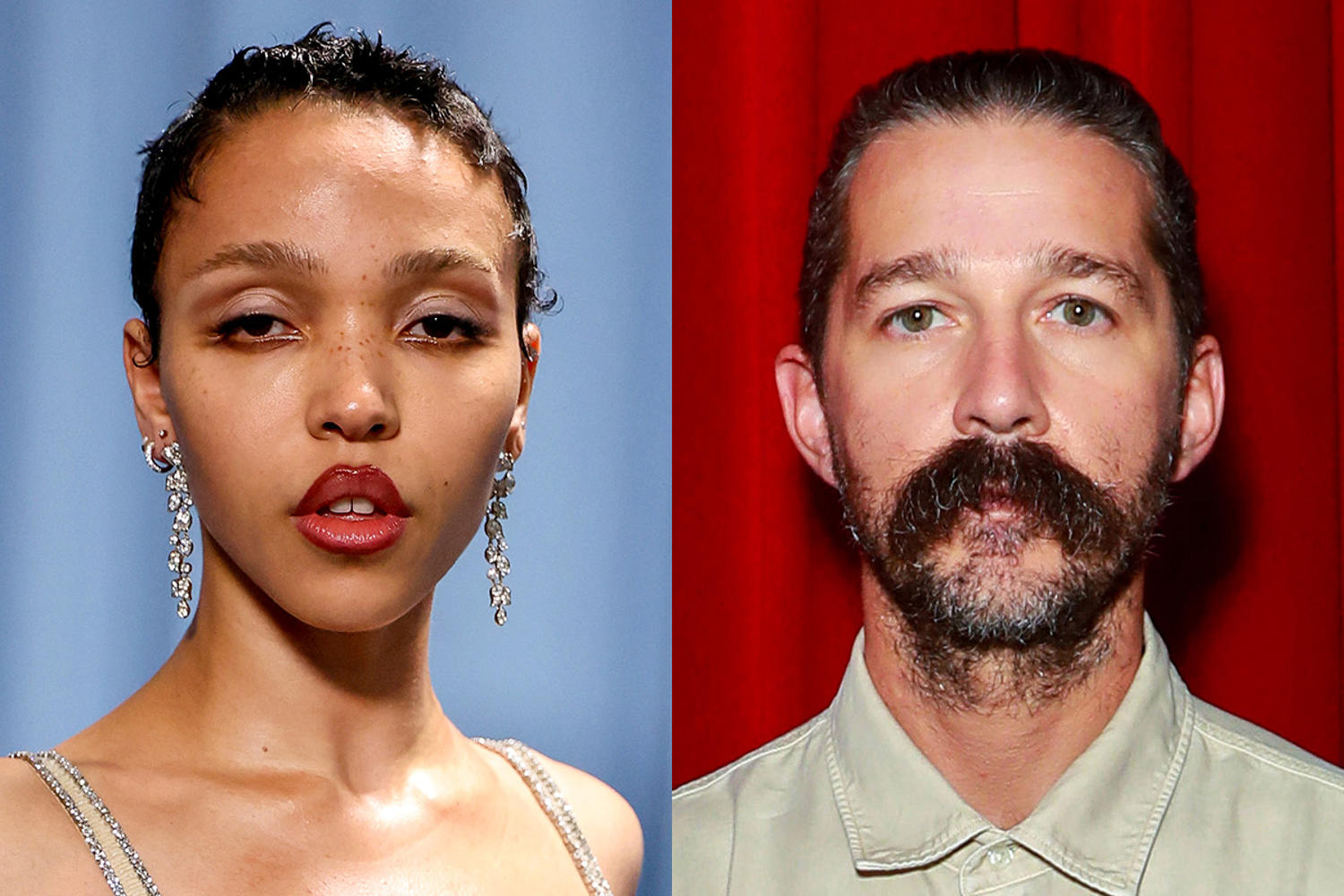
NDAs are usually where stories go to die. For years, the standard Hollywood playbook for settling a "problematic" lawsuit involved a mountain of cash and a legal muzzle. But FKA Twigs is currently tearing up that script. On Wednesday, March 25, 2026, the artist—legally known as Tahliah Barnett—filed a fresh lawsuit in Los Angeles against her ex-boyfriend, Shia LaBeouf. This isn't just a sequel to their 2020 legal war; it’s a direct challenge to the "culture of silence" that high-powered legal teams use to bury the truth.
The core of this dispute isn't money. It’s about whether a survivor can even mention their own trauma without being sued for "damages."
The interview that broke the truce
The timeline here is crucial. In July 2025, Barnett and LaBeouf reached a private settlement to end her 2020 lawsuit, which included harrowing allegations of sexual battery, assault, and the intentional transmission of an STD. At the time, both sides released a boilerplate "wishing each other peace" statement. That peace lasted exactly until Barnett sat down for a cover story with The Hollywood Reporter in October.
When asked if she felt safe now that the lawsuit was over, Barnett gave a remarkably restrained answer. She said, "No, I wouldn't say I feel safe." She mentioned her passion for helping other survivors through organizations like Sistah Space. She didn't name LaBeouf. She didn't recount the details of the gas station strangulation she previously alleged. She talked about her own state of mind.
Apparently, that was too much for LaBeouf’s camp. By December, he filed a "secret" arbitration complaint, claiming her benign comments violated the NDA. He wasn't just looking to stop her; he was reportedly seeking "exorbitant" financial penalties.
Why the STAND Act changes everything
You might think an NDA is an ironclad contract, but in California, that’s no longer the case. Barnett’s new lawsuit leans heavily on the Stand Together Against Non-Disclosure Act (STAND Act). Passed in the wake of the #MeToo movement, this law specifically bans confidentiality clauses in settlements involving sexual assault, sexual harassment, or sex-based discrimination.
LaBeouf’s legal team is trying to squeeze through a tiny, pedantic loophole. They argue the STAND Act doesn't apply because she sued him for sexual "battery," not sexual "assault." It’s the kind of semantic gymnastics that makes people hate lawyers. As Barnett’s attorney, Mathew Rosengart, pointed out in the filing, battery literally requires an assault to happen first. You can’t have one without the other.
The lawsuit claims the NDA terms are "unlawful, invalid, and unenforceable." More importantly, it argues that these provisions weren't just about protecting LaBeouf’s reputation—they were designed to stop Barnett from doing advocacy work. The agreement reportedly tried to restrict how she could even donate to domestic violence charities.
It’s about the principle, not the payout
It’s worth noting that Barnett isn't asking for a dime in this new filing. She’s seeking "declaratory relief." Basically, she wants a judge to stand up and say, "This NDA is illegal."
This is a power move. If she wins, it sets a massive precedent for any woman who has been bullied into a settlement. It tells abusers that they can't buy someone’s right to speak about their own life. It’s also a stark contrast to LaBeouf’s recent headlines, including a battery charge in New Orleans following a brawl during Mardi Gras.
While LaBeouf has previously admitted to "alcoholism and aggression" and "hurting people closest" to him, his legal strategy suggests a different story—one where he wants to control the narrative at any cost.
The legal reality of "silencing" survivors
Most people don't realize how broad these settlement NDAs can be. They often include "non-disparagement" clauses so vague that even a sad face on Instagram could technically be a breach. For someone like Barnett, whose art is intrinsically tied to her lived experience, these clauses are a death sentence for her creativity.
If you’re watching this case, don't just see it as celebrity gossip. See it as a test of California’s commitment to protecting survivors. If LaBeouf wins on a technicality between the words "battery" and "assault," the STAND Act becomes effectively toothless.
What happens next
The Los Angeles Superior Court will now have to decide if the NDA stays or goes. If you’re following this case, keep an eye on:
- Whether the judge agrees that sexual battery is covered under the STAND Act's protections.
- If the "arbitration" demand from December is ruled as a form of intimidation.
- How this affects the "Silenced No More Act" (SB 331), which expanded these protections even further.
If you or someone you know is dealing with domestic or sexual violence, resources like Sistah Space (which Barnett supports) or the National Sexual Assault Helpline (1-800-656-4673) provide immediate assistance that doesn't require a legal team. Don't wait for a court to tell you your story matters.
Check your own employment or settlement agreements for "confidentiality" clauses. If you’re in California, many of those older "muzzle" clauses might already be legally void under the latest 2024 and 2025 updates to the STAND Act.