Wildfire season in the United States isn't a summer problem anymore. It's a year-round crisis. Every single year, the officials tasked with managing these blazes—often called "fire bosses" or incident commanders—face the same impossible math. They have too many fires, too few crews, and a budget that feels like trying to put out a volcanic eruption with a garden hose.
If you think managing a wildfire is just about pointing a water hose at a flame, you've got it wrong. It's a massive, high-stakes logistical nightmare. Incident commanders are basically running temporary, mid-sized cities in the middle of nowhere, all while trying to predict where a wind shift will throw embers five miles away.
But the system is breaking down. The traditional way of juggling resources across state lines isn't keeping up with the sheer speed of modern blazes.
The Logistical Nightmare of Moving Hotshots Across State Lines
When a major fire breaks out in Oregon or California, local crews quickly get overwhelmed. That's when the National Interagency Coordination Center (NICC) steps in. Based in Boise, Idaho, this agency acts as the central air traffic control for fire resources. They decide where the country's elite hotshot crews, smokejumpers, and air tankers go.
But here is what actually happens on the ground.
A fire boss in Arizona might desperately need three Type 1 handcrews—the most highly trained ground forces available. But those crews are already tied up on a weeks-long burn in New Mexico. Because the Southwestern fires flared up early, the crews are exhausted before the Northern Rockies season even starts.
This creates a dangerous domino effect.
- Crew burnout: Elite firefighters are working 14-day shifts back-to-back, with barely any rest in between. Many are leaving the profession entirely for better-paying municipal structural firefighting jobs.
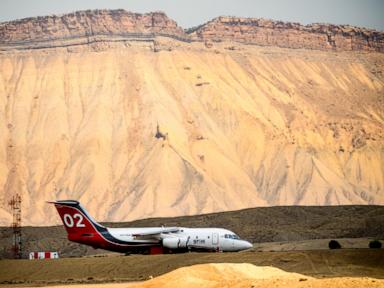
- Equipment bottlenecks: Heavy air tankers and water-scooping aircraft are expensive and limited in number. Fire bosses constantly fight over who gets air support, often waiting days for a single tanker to become available.
- Geographic locking: When a state experiences extreme fire danger, governors are increasingly reluctant to let their local National Guard units or state forestry crews leave, fearing they'll be left defenseless if a new spark ignites at home.
This means fire bosses are constantly playing defense. They aren't putting fires out; they're just deciding which communities to abandon to save others.
Why Climate Shifts Blew Up the Old Playbook
For decades, the US relied on a predictable seasonal rotation. Fires started in the Southwest during the spring, moved to the Great Basin and California in the summer, and shifted to the Pacific Northwest and northern states by late summer and fall. Resources moved smoothly along this geographic curve.
That curve is gone.
Now, we see devastating, high-intensity fires in Colorado in December, or massive grass fires in Texas in February. When the entire country is dry at the same time, the national sharing system collapses.
The US Forest Service and the Department of the Interior are trying to adapt by hiring more permanent, year-round wildland firefighters instead of relying solely on seasonal college students. But the pay remains notoriously low. Despite temporary federal pay raises, many wildland firefighters still struggle to pay rent in the expensive mountain towns they protect.
What Needs to Change to Keep Communities Safe
We can't keep asking fire bosses to perform miracles with dwindling resources. Solving this requires shifting from reactive emergency response to aggressive, proactive management.
First, the federal government must make wildland firefighting a sustainable career. That means permanent pay increases, better mental health support, and clear pathways to retirement. You can't fight 21st-century fires with a transient, underpaid workforce.
Second, we have to scale up prescribed burns and mechanical thinning during the off-season. The goal shouldn't be to suppress every single fire—that policy is exactly what created the massive buildup of dry fuel we see today. We need to let low-intensity fires burn to clear out the underbrush, creating natural breaks that give future fire bosses a fighting chance.
Finally, homeowners in the wildland-urban interface must take responsibility. If you live in a fire-prone area, clearing defensible space around your home isn't optional. It's the difference between a fire boss risking their crew's lives to save your house, or bypassing it entirely because it's a death trap.
Inspect your roof for pine needles today. Clear the brush within thirty feet of your deck. Stop waiting for a fleet of air tankers that might never arrive.