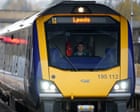
You know the sound. Tinny bass bleeding out of a phone speaker at 8:15 in the morning, a TikTok loop playing on repeat, or someone shouting into a speakerphone three seats away while you're just trying to wake up.
In October 2026, Prime Minister Andy Burnham launched a national "share the carriage, not the noise" push alongside new guidance letting local transport authorities issue fines of up to £100 for bus nuisances like loud music, littering, and vaping, while trains already carry maximum fines of up to £1,000 for antisocial behaviour. Roughly 88% of Britons can't stand it. Yet making a rule is one thing. Getting anyone to enforce it on a crowded double-decker or packed commuter train is something else entirely.
I've spent years watching how public transport policies collide with reality on the ground, and honestly, the gap between a press release in Whitehall and a quiet carriage in Crewe or Leeds is huge. You can write a fine into guidance all day long. If there's nobody there to issue it, or if enforcement means putting staff in harm's way, the rule becomes mostly symbolic.
What the Crackdown Actually Changes on Trains and Buses
Let's be clear about what shifted on October 19, 2026, because a lot of headlines made it sound like a brand-new police squad was boarding every service at dawn. It wasn't.
On rail services, the government rolled out an industry-backed campaign with audio reminders urging passengers to plug in headphones and "share the carriage, not the noise". Train operators already had powers to penalise disruptive passengers—potentially up to £1,000—and staff can ask someone to stop, remove them at the next station if they refuse, or pursue fines through prosecution.
On buses, the new guidance gives local transport authorities clearer backing to levy fixed penalties of up to £100 for nuisance behaviour, grouping loud audio alongside vaping, littering, and threatening conduct. You can read the official breakdown on GOV.UK's announcement.
The timing fits Burnham's wider pitch on everyday quality of life. Before entering Downing Street, he built much of his political brand as Mayor of Greater Manchester around the Bee Network—bringing buses back under public control, keeping fares low, and pushing higher standards across trams and buses. Tacking a commuter pet peeve onto a broader "everyday fixes" agenda makes total political sense. Everybody has a story about a noisy carriage.
Why Headphone Dodgers Keep Winning the Commute
Here's the catch. Annoying as loud phones are, they sit right at the bottom of a busy transit worker's priority list.
Picture a bus driver on a late-evening route. Their eyes are on cyclists, delivery vans, bus lanes, and traffic lights. They're also keeping an eye out for fare evasion, medical issues, or aggressive passengers downstairs. Hearing a muffled beat from the back top deck while merging into heavy traffic? Half the time, they can't even pinpoint where it's coming from—and confronting a stranger over a speaker can quickly turn tense.
On trains, conductors and station staff face a similar squeeze. During peak hours, moving through six or eight carriages just to police phone volume isn't practical, especially when crews are managing doors, delays, ticket checks, and safety alerts. Without visible, consistent enforcement, people quickly test the boundaries. If nobody ever gets fined for playing a video without earbuds, the threat of a penalty loses its bite.
There's also a cultural shift we shouldn't gloss over. Public spaces feel louder across the board right now—from parks and high streets to cafes and transit stops. Blaming one age group misses the mark, too. Plenty of people across generations treat their phone like a personal television set in shared space. Telling commuters to put on headphones is easy; changing habits that have become normal takes much longer.
Lessons From Fare Evasion and Greater Manchester
If you want a clue about whether fines can curb bad transit habits, look at how authorities already handle ticketless travel. Fare evasion has clear rules and penalty fares—for instance, Greater Manchester raised its Metrolink penalty fare to £120 in September 2023 alongside extra inspectors and plain-clothes checks—yet fare dodging still happens every single day.
Why? Because deterrence depends on perceived risk, not just the size of the fine on paper. When passengers see ticket inspectors regularly, compliance rises. When checks are rare, people take the gamble. Loud music on a phone feels even harder to police than a missing ticket, because there's no barrier at the platform checking whether you brought earbuds.
At the same time, Burnham's Greater Manchester record shows that structural investment can move the needle when paired with practical operations. Patronage on Bee Network buses climbed 24% over three years to 178 million journeys in 2026 as fare caps, hopper tickets, and integrated services drew more everyday riders back onto public transport. More regular everyday commuters can sometimes strengthen shared norms—provided the network feels safe, reliable, and cared for.
Still, critics are right to ask whether fining people for noise is realistic or enforceable at scale. Without dedicated staff or clear, low-friction ways to report issues, a £100 fine on a bus risks sitting on paper unused.
What You Can Actually Do When Someone Blasts Audio
Policy debates move slowly, so if you're stuck next to a speaker on your commute this week, you still need practical options that don't put you in harm's way.
- Don't confront someone alone if the vibe feels edgy. A calm, polite "Hey, do you mind using headphones?" sometimes works—especially if someone just forgot their earbuds were disconnected—but escalating with an aggressive or intoxicated passenger rarely ends well.
- Move seats or carriages first. It sounds basic, yet shifting two rows away or moving to another carriage during a station stop is usually the fastest, safest fix.
- Use official reporting channels instead of arguing. Many rail operators and local transport bodies have text-to-report numbers or app reporting tools for antisocial behaviour. Reporting gives operators real data on hot spots rather than letting complaints vanish into thin air.
- Pack decent noise-isolating or active noise-cancelling earphones. Even if enforcement improves over time, shared public transport is always going to have background noise—engines, announcements, chatter, and occasional rule-breakers. Good passive seal or ANC takes the edge off immediately.
If you want to keep tabs on how local councils roll out the new bus rules, check your local transport authority's website or recent guidance updates, since powers are applied locally rather than flipping a single switch overnight.
Can Andy Burnham beat Britain's headphone dodgers? Not with slogans or fines alone. Real change will take visible staff, smart enforcement where it's actually safe to deliver, and a slow push back toward basic shared courtesy.