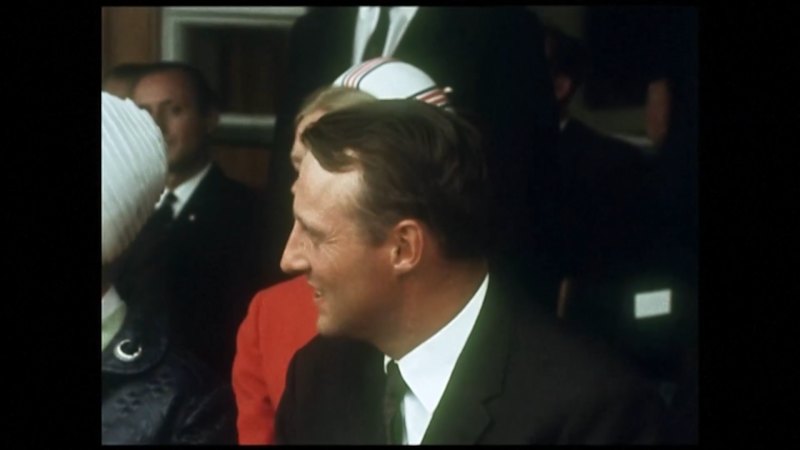
King Harald V of Norway died at the age of 89 at Oslo University Hospital, closing a thirty-five-year chapter defined by quiet modernization, personal resilience, and a stubborn refusal to abdicate. Yet the transition of power to King Haakon VIII arrives not with the comforting stability Norwegians grew accustomed to, but amid a volatile convergence of family scandals and institutional vulnerability.
The end came swiftly after weeks of mounting medical crises. Hospitalized on August 17 for hemolytic anemia—a severe blood disorder where red blood cells disintegrate faster than the body can manufacture them—Harald’s condition deteriorated past the point of recovery. Cortisone treatments, fluid retention, and a secondary bloodstream infection battered an octogenarian constitution that had already survived bladder cancer, structural heart failures, and multiple pacemaker implantations. When the royal household announced that his status was extremely serious, crowds gathered outside the palace walls in quiet disbelief. Hours later, flags dropped to half-mast across the fjord.
For decades, Harald functioned as the emotional anchor of the Scandinavian nation. He was the grandfather of the country, an avid Olympic sailor who connected an ancient institution to a modern, progressive social fabric. When he famously declared in a 2016 speech that Norwegians included girls who love girls, boys who love boys, and people from diverse religious backgrounds, he solidified an inclusive national identity. He viewed his throne through the lens of duty. Repeatedly pressed on whether he would step aside as his physical mobility waned, Harald held a firm line. He took a constitutional oath before parliament, and he maintained that his service would end only at the bitter end.
The Succession Crisis Nobody Anticipated
That absolute commitment to the crown has now handed a bruised institution to his son. King Haakon VIII steps onto the throne during a profound reputational trough for the extended royal household. The ascension is overshadowed by deep-seated controversies that have shaken public trust in an institution historically insulated from political scandal.
At the center of the storm is the new queen consort, Mette-Marit. Public revelations exposed extensive correspondence between the crown princess and the late convicted sex offender Jeffrey Epstein, spanning years well after Epstein's initial criminal conviction. The disclosure of intimate exchanges within leaked documents triggered fierce public backlash, prompting an unprecedented public rebuke from Prime Minister Jonas Gahr Støre regarding her judgment. While Mette-Marit issued public expressions of deep regret and apologized for the strain placed upon the monarchy, the stain on the royal family's moral authority remains.
Compounding the crisis is the legal fallout surrounding Marius Borg Høiby, Mette-Marit’s son from a previous relationship. Convicted of multiple charges including rape and domestic violence against former partners, Høiby's criminal trial dragged the monarchy into gritty tabloid reality. For a population accustomed to viewing the royal family as an unblemished symbol of national unity, the dual friction of international scandal and domestic crime represents an unprecedented stress test.
Navigating a Changing Constitutional Landscape
The transition forces a harsh question about the utility of hereditary monarchies in the twenty-first century. Harald preserved his office through sheer force of personal warmth and political neutrality. He walked among his citizens without heavy security during crises, embodying a distinct brand of egalitarian royalty.
Haakon inherits a very different Norway. Economic pressures, shifting European security dynamics, and an increasingly cynical media ecosystem mean that goodwill cannot be inherited automatically. The new king lacks his father's folksy untouchability, particularly with a household dragged through international investigative headlines.
Constitutional analysts note that while the Norwegian monarchy enjoys deep institutional safety nets, public tolerance for royal indiscretion is thinning. Prime Minister Støre’s willingness to publicly criticize members of the inner circle signals a subtle shift in the unwritten contract between the government and the palace. Blind deference is no longer guaranteed.
Harald V stayed until the final hour because he believed the uniform protected the office. Now, King Haakon VIII must prove that the crown can survive its own family tree.