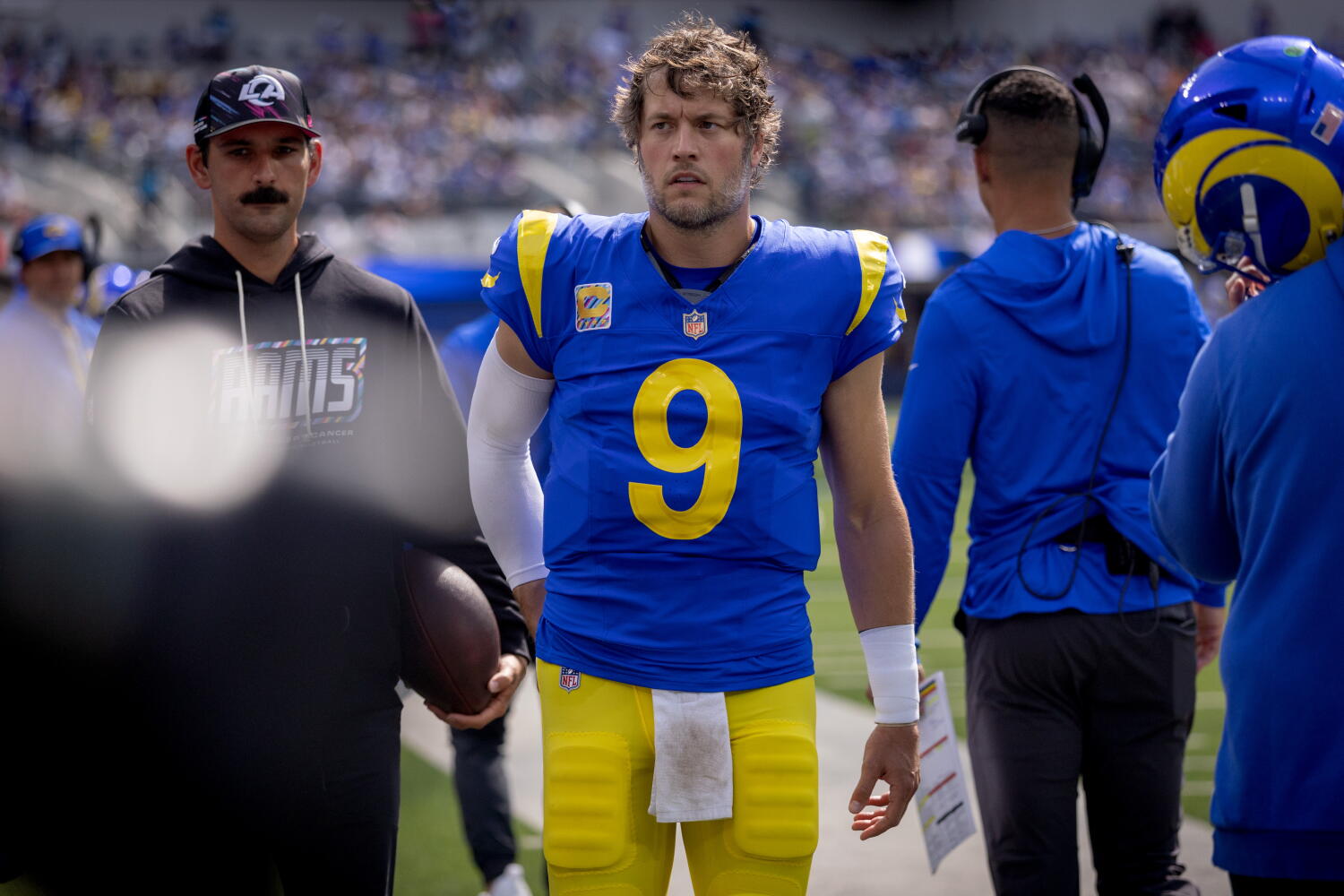
The air inside Allegiant Stadium changes around 5:00 PM local time during a tight game. It is not a sudden shift. It is a slow, suffocating thickening, the collective realization of thousands of people holding their breath while watching a team walk into a familiar storm.
Football is played in sixty minutes, but games are rarely decided across the whole clock. They fracture in fragments. They die in quarters. For the Las Vegas Raiders, the autopsy reports keep pointing to the exact same fifteen-minute window: the third quarter.
After losses to powerhouses like the Kansas City Chiefs and the Buffalo Bills, the locker room conversations do not center on missed tackles in the first quarter or dropped passes in the closing minutes of a frantic comeback attempt. They center on the desert after halftime. The numbers are stubborn things. They do not care about effort, or good intentions, or the emotional weight of a rivalry. They simply record the scoreboard: opponents make adjustments out of the locker room, and the Raiders, too often, stand still.
Imagine standing on the sideline as the second-half kickoff sails through the air.
To the fan in the tenth row, beer in hand, the game is a continuous flow of emotion. To the player on the bench, the third quarter is a physical reckoning. Coaches spend the twelve minutes of halftime frantically drawing on whiteboards, shouting over the roar of the stadium sound system, trying to fix what broke in the first half. They change protections. They shift coverages. They tell their athletes to anticipate the counterpunch.
Yet, knowing the punch is coming and absorbing it cleanly are two entirely different physical realities.
Against Kansas City, the margins are razor-thin. You cannot give Patrick Mahomes an extra possession birthed from a three-and-out out of the half. You cannot allow Steve Spagnuolo’s defense to dictate the rhythm of your play-calling before your offense has even broken a sweat. The stadium clock ticks down from 15:00, and suddenly a four-point deficit becomes eleven points. Then fourteen. The panic does not look like panic on television; it looks like a missed assignment, a half-second hesitation on a route, a linebacker stepping left when his instincts scream right.
Losing to the Buffalo Bills exposes a different kind of structural fatigue. Buffalo travels with a specific brand of relentless, rhythmic physicality. They wear you down in the trenches. By the time the third quarter begins, the cumulative impact of blocking Greg Rousseau or trying to contain Josh Allen begins to manifest in tired legs. The mental stamina required to play flawless assignment football starts to fray at the edges.
This is the hidden tax of modern professional football. It is not just about raw athleticism. It is about cognitive endurance under extreme stress.
When a team struggles consistently in the third quarter, analysts love to throw around words like adjustments, execution, and momentum. Those are clean, sterile terms for messy human experiences. Behind every stalled third-quarter drive is a quarterback absorbing a blindside hit that leaves his ribs aching for the rest of the night. Behind every defensive breakdown is a rookie defensive back who guessed wrong because the opposing coordinator diagnosed his stance on film.
The Raiders know this reality intimately. The franchise carries the heavy burden of a proud history combined with the fierce, impatient hunger of a new fanbase in Las Vegas. Every Sunday afternoon in the desert becomes an event, a high-stakes convergence of entertainment and tribal loyalty. When the team stalls after halftime, the silence in the stadium is deafening—a stark contrast to the neon chaos outside.
Fixing a third-quarter scoring drought requires more than drawing up a clever screen pass or calling a blitz. It requires a fundamental shift in rhythm. It demands that a team stop reacting to what the opponent changed and start forcing the opponent to react all over again. It means reclaiming the tempo before the sand in the glass runs out.
The players pull their helmets back on. The chinstraps are buckled tight. The scoreboard overhead glows with an indifferent red light.
There are still thirty minutes left to play, but everyone on the field knows that the next fifteen will write the ending. The whistle blows. The ball flies. And the test begins again.