Fear is a virus. It spreads faster than any pathogen, twisting communities against the very people trying to save them. When health workers step into a crisis zone, they carry supplies, protective gear, and education. Too often, they also carry the weight of public panic.
In early outbreaks, public health outreach faced violent resistance. Rumors outpaced science. Panic replaced trust. When an educator tried to stop the spread of Ebola by explaining how to prevent it, the response wasn't gratitude. It was a brutal attack that left him dead hours later. Why does public health messaging fail so catastrophically in certain moments? The answer lies in how communities perceive authority during a crisis.
The Roots of Panic During an Epidemic
People don't riot because they are inherently cruel. They riot because they are terrified. When an invisible killer arrives in a village, it shatters normalcy. Traditional burial practices get banned. Quarantines separate families. Hospitals transform into places where loved ones go and never return.
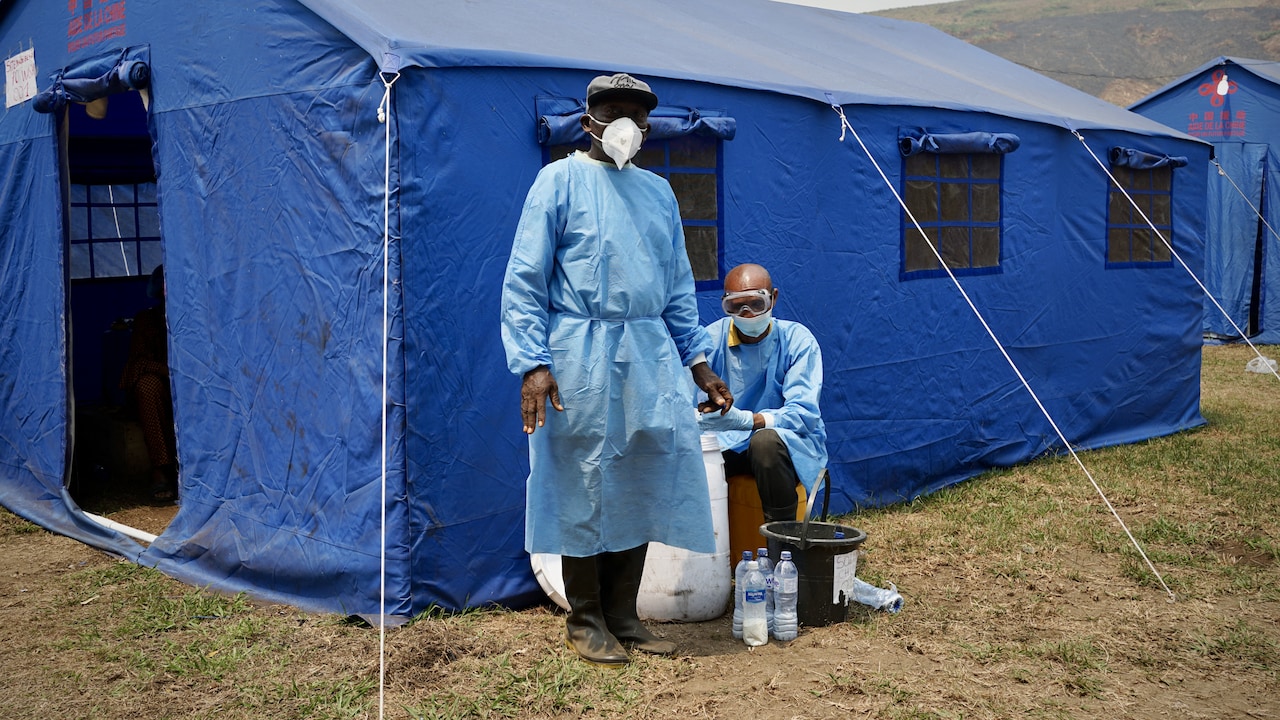
To a frightened population, outsiders arriving in protective suits don't look like saviors. They look like the bringers of the plague. Healthcare workers become symbols of state intrusion or foreign interference.
- Rumors fill the vacuum left by poor communication.
- Distrust of government authorities bleeds into distrust of medical personnel.
- Grief turns into aggression when local customs are abruptly forbidden.
During the West African Ebola epidemic, these dynamics turned deadly. Communities weren't just fighting a disease; they were fighting a profound loss of control. When public health education feels forced rather than collaborative, resistance follows.
How Rumors Outrun Medicine
Science moves slowly. Gossip moves instantly. In areas with limited infrastructure, mobile phones and word-of-mouth spread unverified theories faster than epidemiologists can track transmission chains.
During outbreaks, dangerous myths take root immediately. People whisper that clinics are spreading the disease intentionally, or that treatment centers are harvesting organs. These aren't just quirky superstitions. They are rational fears born from historical marginalization and systemic neglect.
When a community has been ignored by the state for decades, they won't suddenly trust government-backed medical teams on day one of an outbreak. Ignoring that context is fatal. Public health strategies that fail to address local grievances will always face violent pushback.
Changing the Playbook for Community Health
Stopping outbreaks requires more than chlorine spray and isolation wards. It demands radical empathy and local leadership. You cannot parachute experts into a village, bark orders, and expect compliance.
Successful interventions rely on trusted insiders. Local religious leaders, traditional healers, and community elders must lead the conversation. They speak the language, understand the cultural nuances, and already hold the trust of the people.
- Enlist community leaders before deploying external medical teams.
- Acknowledge historical grievances openly instead of dismissing them.
- Involve families in designing safe burial protocols rather than imposing bans from above.
If you don't build trust before an emergency strikes, you'll spend the entire crisis fighting your own audience. Protecting public health workers means changing how we approach vulnerable communities long before the first case is diagnosed. Real safety comes from partnership, not policing.