When a vehicle violently clips a tree and erupts in flames on a quiet Sunday morning, the immediate forensic work usually focuses on skid marks, speedometer readings, and the brutal physics of kinetic impact. But when the driver is fleeing federal immigration agents, the wreckage tells a deeper, uglier story about the mechanics of modern domestic enforcement.
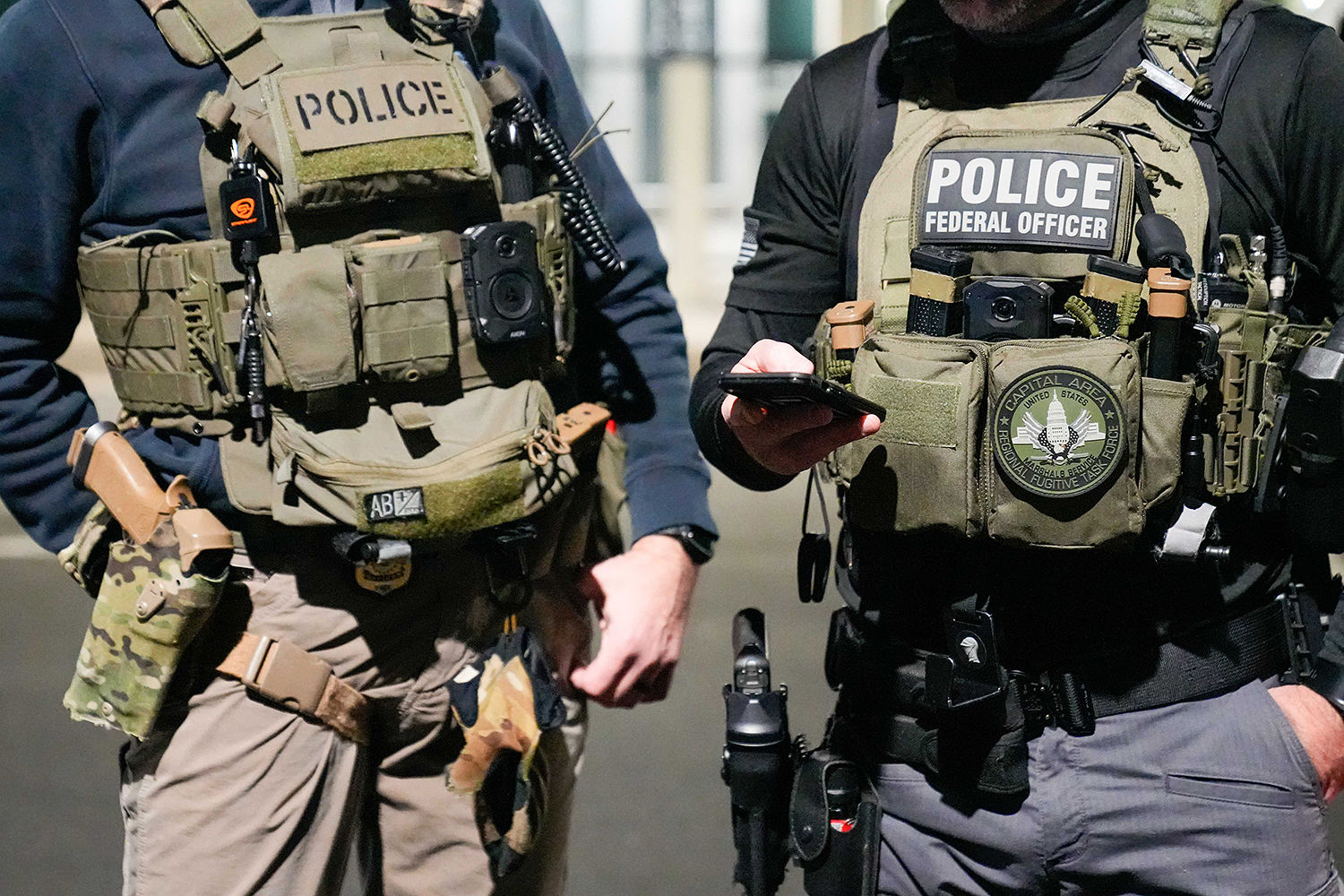
Mario David Coronado Juárez, a thirty-five-year-old Guatemalan national working to support his family back home, did not die from a random highway accident. He died on a Grand Rapids street because Immigration and Customs Enforcement operatives attempted a vehicle stop that triggered an immediate, desperate flight response. That pursuit ended in incinerated metal, a grieving community, and a familiar, bitter scramble for accountability that exposes the structural fault lines of localized federal operations.
The standard federal playbook dictates that when a target flees, tactical discretion should prevail. According to statements released after the incident, ICE officials claimed they broke off the active pursuit in the interest of public safety. Yet the catastrophic outcome remains: a man is dead, his vehicle wrapped around a urban landmark, and local residents are left staring at charred bark and demanding to know why federal authorities are operating in their neighborhoods with a reckless disregard for collateral panic.
To understand why a routine morning commute transforms into a fatal high-speed flight, one must examine the raw, visceral terror that undocumented communities live with every single day. For someone like Coronado Juárez, the sight of flashing lights in a rearview mirror is not a minor inconvenience or a ticket for a broken taillight. It represents an existential threat—the sudden, violent uprooting of a life, the destruction of financial lifelines sent to dependents abroad, and an abrupt ticket to indefinite detention or deportation.
When federal agencies utilize mobile vehicular tactics in densely populated municipalities, they introduce an unpredictable catalyst into local traffic. Fear overrides rational calculus. The human brain under immediate threat of banishment does not calculate speed limits or stopping distances; it reacts to survival instincts. Driving away becomes the only available defense mechanism, turning urban streets into high-stakes racetracks where the pursuer and the pursued are locked in a dangerous dance of avoidance.
The fallout in Grand Rapids laid bare the friction between municipal authorities and federal overreach. Local activists and immigrant rights groups immediately packed city commission meetings, shouting down officials and demanding answers about local police collaboration with federal agencies. Law enforcement bodies often insist on strict administrative separation, claiming local departments do not coordinate active immigration roundups. Yet on the ground, the reality looks entirely different to residents who see federal operatives moving through their neighborhoods unchecked, utilizing tactics that bleed into municipal jurisdictions without local consent or oversight.
This incident is part of a wider, troubling pattern across the country. Federal immigration enforcement operations have increasingly relied on aggressive street-level encounters, resulting in a documented surge of dangerous vehicle pursuits, accidental injuries, and fatal crashes. When federal agents initiate traffic stops without marked local police units or standardized coordination, they create confusion that compromises overall public safety. Motorists do not always know if they are being pulled over by local law enforcement for a traffic infraction or targeted by federal agents for deportation. That ambiguity is lethal.
Elected officials have begun sending pointed letters to federal leadership, demanding preserved footage, internal communications, and a full accounting of the operational protocols that led to the chase. But congressional inquiries move at a glacial pace, wrapped in bureaucratic red tape and defensive agency jargon. Meanwhile, consular officials step in to handle the grim logistics of repatriating remains, and local families are left to pick up the pieces through crowdfunding campaigns and candlelight vigils.
The structural danger of these operations lies in their unaccountability. Federal immigration enforcement operates with a distinct mandate that often sidelines community trust in favor of raw enforcement metrics. When a traffic stop escalates into a fatal crash, the agency retreats behind internal reviews and carefully worded press statements, while the local community absorbs the trauma.
Until federal guidelines explicitly restrict high-risk vehicular tactics and mobile traffic stops for non-violent administrative immigration violations, civilian lives will continue to be staked on the outcome of sudden street-level pursuits. Every time an unmarked vehicle pulls behind an immigrant driving to work, the countdown to another potential catastrophe begins.