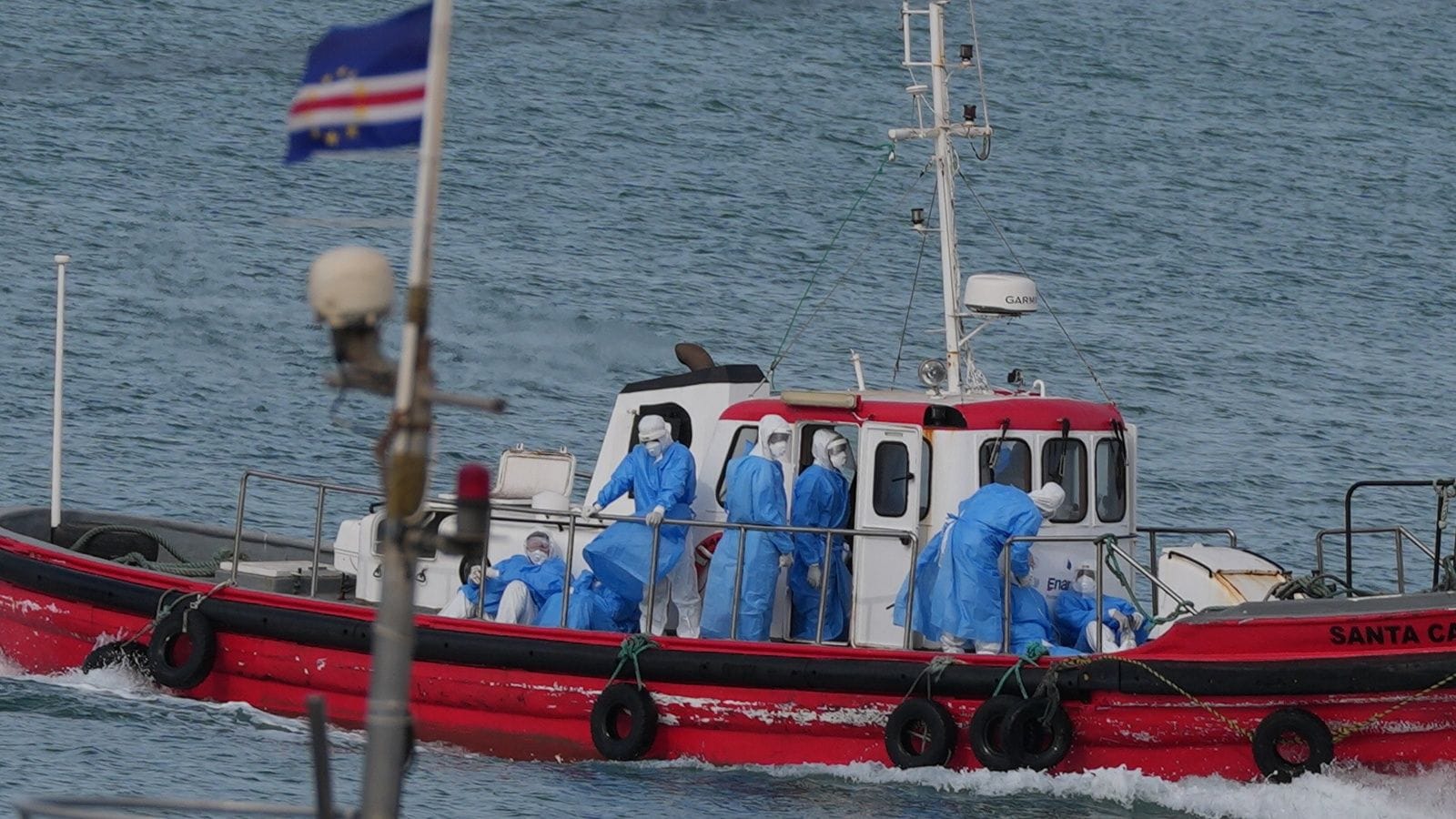
The headlines sound like the script of a bad disaster movie. A luxury cruise ship docking in Europe becomes the ground zero for a virus most people haven't thought about since biology class. It’s scary. It’s fast. But before you start panic-buying masks or cancelling your Mediterranean summer plans, you need to understand exactly what we’re dealing with. This isn't COVID-24. It’s something much older, much more specific, and honestly, much easier to avoid if you know the signs.
Hantavirus has officially hit European shores following a deadly outbreak on a cruise vessel. We’ve seen confirmed cases and, unfortunately, fatalities. While the media loves a "global pandemic" narrative, the reality of Hantavirus is tied strictly to how we interact with rodents. It doesn’t spread through a cough in a crowded theater. It spreads through dust, droppings, and bad luck in enclosed spaces.
The Cruise Ship Connection and Why It Happened
You might wonder how a virus typically found in rural cabins ended up on a high-end cruise liner. The investigation into the recent European outbreak points toward contaminated cargo or perhaps a localized infestation in the ship’s lower decks where food is stored. When rodent urine or droppings dry out, the virus becomes airborne in tiny particles. If you breathe that in, you're at risk.
On a ship, the ventilation systems are complex. If a nesting site exists near an intake vent or in a storage room, the virus can travel. This specific outbreak caught health officials off guard because Hantavirus isn't usually a "travel disease." It’s an environmental one. The European Centre for Disease Prevention and Control (ECDC) has been tracking the spread, and the results show that the strain involved is particularly aggressive.
What Hantavirus Actually Does to Your Body
Don't mistake this for a common cold. The early symptoms are deceptive because they mirror the flu. You’ll feel aches in your large muscle groups—thighs, hips, back, and shoulders. You’ll get a fever and feel exhausted. Some people get headaches and dizzy spells.
The "turn" happens fast. About four to ten days after that initial "flu" phase, the respiratory system starts to fail. This is known as Hantavirus Pulmonary Syndrome (HPS). Your lungs fill with fluid. You can't breathe. It’s terrifying because, unlike many other viruses, this hits healthy young adults just as hard as the elderly. The mortality rate for HPS is around 38%. That’s a staggering number compared to the seasonal flu.
There's also a second version called Hemorrhagic Fever with Renal Syndrome (HFRS). This is more common in Europe and Asia. It targets the kidneys. You’ll see low blood pressure, vascular leak, and eventually acute kidney failure. Neither version is something you want to "wait out" at home.
Why Europe is Seeing a Surge Right Now
It’s not just the cruise ship. Environmental scientists have noted that mild winters across Europe have led to a "mast year" for certain trees. This produces an explosion of seeds, which leads to a massive spike in the rodent population. More mice mean more contact with humans.
The Bank Vole is the primary culprit in Europe. These little guys carry the Puumala virus, a type of Hantavirus that usually causes a milder form of kidney issues. However, the recent outbreak involves strains that look more like the "New World" varieties—the ones that go for the lungs. We’re seeing a shift in the geographical map of where these rodents live, likely due to changing land use and climate patterns.
Myths vs Reality
Let's clear some things up. You cannot catch Hantavirus from another person. If you’re sitting next to someone who has it, you aren't going to get sick from their sneeze. The only exception is the Andes virus in South America, but that hasn't been documented in this European surge.
Another myth is that you need to be "dirty" to get it. That’s nonsense. You could be the cleanest person on earth, but if you open up a shed or a storage locker that a mouse called home for a week, you’re in the line of fire. It’s about exposure to aerosolized particles, not personal hygiene.
How to Protect Yourself Today
If you’re traveling in Europe or even just cleaning out your garage, you need a different strategy than what you used for previous outbreaks.
First, stop using a broom. This is the biggest mistake people make. If you see mouse droppings, sweeping them into the air is the fastest way to infect yourself. You’re literally launching the virus into your own lungs. Instead, use a bleach solution. Mix one part bleach to nine parts water. Spray the area until it’s soaking wet. Let it sit for five minutes. Then, and only then, wipe it up with a paper towel and throw it away in a sealed bag.
Travel Safety Tips
- Inspect your cabin: If you're on a boat or staying in a rural Airbnb, look for "peppercorn" sized droppings in drawers or under the bed.
- Ventilation is king: If a room smells musty or like urine, open the windows and leave for at least 30 minutes before you start moving bags around.
- Air filters: If you're high-risk, traveling with a portable HEPA filter isn't a bad idea, though it won't stop everything.
- Seal your food: Rodents are looking for a snack. Keep everything in hard plastic containers.
The Medical Response and Treatment
There is no vaccine for Hantavirus in the West. There's no specific "cure" either. Doctors can't give you a pill to make it go away. Treatment is purely supportive. If you end up with HPS, you're going to the ICU. You’ll likely be put on a ventilator or even ECMO—a machine that oxygenates your blood outside your body to give your lungs a break.
The key is early detection. If you’ve been around rodents or in a suspicious environment and you develop a fever and muscle aches, tell your doctor. Specifically mention the rodent exposure. Most doctors won't test for Hantavirus unless you prompt them because it’s still relatively rare in clinical settings.
What Happens Next
Public health agencies are currently "trapping and testing" in the port cities where the cruise ship docked. They’re trying to see if the virus jumped from the ship to the local rat population. If that happens, the problem becomes much harder to contain.
For now, the risk to the average tourist is low. But the risk to the "uninformed" tourist is high. Knowledge is the only real barrier here.
Watch the news for updates on specific regions in Southern and Central Europe where the rodent "masting" is most intense. If you’re planning a hiking trip or staying in rustic cabins, bring a high-quality N95 mask for when you're cleaning or setting up camp. It’s a small price to pay for avoiding a week in the ICU.
Stay vigilant about your surroundings. If you see signs of mice, don't ignore them. Don't sweep them. Wet them down, mask up, and move on. Taking five minutes to properly disinfect a space is the difference between a great vacation and a life-threatening medical emergency. Keep your food sealed, your sleeping areas ventilated, and if those aches start after a trip, get to a hospital immediately.