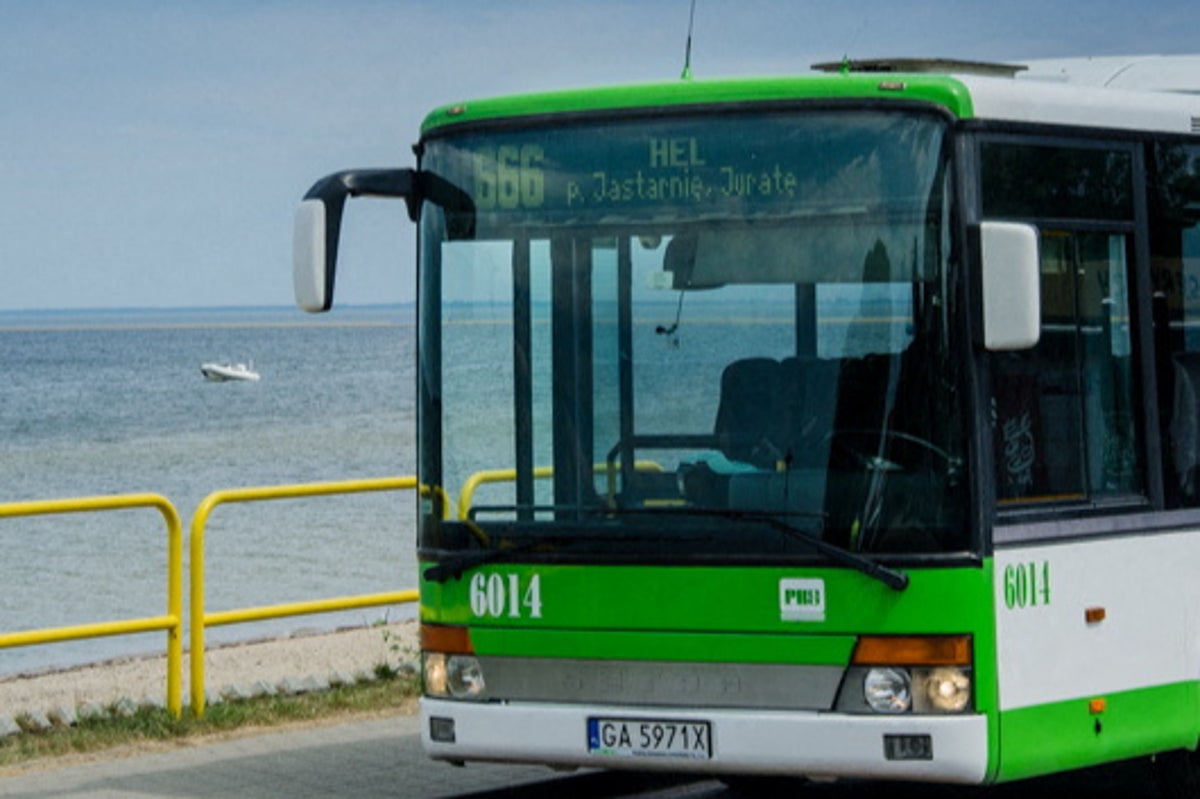
Mainstream travel media loves a cheap gimmick, and the coverage surrounding the return of the infamous 666 bus route to the Polish seaside resort of Hel is the ultimate proof.
The lazy consensus goes something like this: local bus operator PKS Gdynia spinelessly capitulated to conservative Catholic groups in 2023 by renumbering the route to 669. Now, corporate savior FlixBus has swooped in, thumbed its nose at religious outrage, reinstated the devilish number, and saved a beloved piece of dark-humor tourism. Cue the global headlines cheering the return of the "Highway to Hel."
It is a neat, rebellious narrative. It is also completely wrong.
The media is covering this as a cultural war between religious puritans and edgy internet tourists. In reality, this is a masterclass in calculated corporate asset hijacking disguised as public service. FlixBus did not save a historic local bus route. They saw a high-intent, hyper-viral local brand left on the table, strip-minined its equity, and wrapped a brutal 13-hour trans-continental endurance test in a meme to trick you into riding it.
The Illusion of the Resurrection
To understand why the current hype is a total grift, you have to look at what the original 666 bus actually was.
The old route run by PKS Gdynia was a modest, regional shuttle. It ran locally along the Baltic coast, connecting the village of Dębki down the peninsula to the town of Hel. It was a short, breezy coastal hop. Tourists hopped on for a few kilometers, snapped a picture with the digital destination sign, and enjoyed a cheap laugh. It belonged to the local community and the immediate region.
Now look at what FlixBus just launched.
This is not a local shuttle. This is a grueling, 13-hour marathon that originates in Kraków, crawls through Warsaw, and snakes all the way up the spine of Poland before hitting the bottleneck traffic of the Hel Peninsula.
Imagine a scenario where a local municipal transit authority in New Jersey cancels a quirky five-mile trolley line because of local complaints, and a multinational corporate carrier responds by slapping that trolley's old number onto a grueling, overnight commercial bus from Atlanta to New York City. You haven't "saved" the local trolley. You’ve just used its corpse as billboard space to sell long-haul tickets.
Weaponizing the Meme to Hide the Friction
Long-distance bus travel is a low-margin, high-friction business. For a passenger, spending 13.5 hours on a coach is an exercise in endurance. It means dealing with traffic, rest-stop food, cramped legs, and the escalating energy costs currently hammering European travel.
How do you make a grueling 13-hour domestic bus trip look appealing to domestic holidaymakers? You dress it up in a costume.
FlixBus executives admitted this openly, even if the media missed the cynicism behind it. Aleksander Kalenik, a spokesperson for the company, stated flatly that the number 666 was chosen as a marketing communication element to increase visibility.
This isn't organic defiance; it’s a corporate smoke screen. By resurrecting the "Highway to Hel" moniker, FlixBus successfully shifted the conversation away from the actual product—a punishingly long, exhausting overland journey—and turned it into a bucket-list novelty ride. Tourists are buying tickets not because a 13-hour bus ride is the most efficient way to get from Kraków to the Baltic Sea, but because they want to tell their social media followers they took the bus to hell.
I have seen transportation and hospitality brands blow millions trying to engineer organic viral moments from scratch. It almost never works. What FlixBus did here was highly efficient corporate arbitrage. They took an existing, thoroughly vetted piece of intellectual property that had already generated millions in free earned media over a decade, waited for the local operator to drop it due to political fatigue, and scooped it up for free.
The Myth of the Offended Public
The entire premise of the "controversy" is built on an outdated caricature of Poland. The international press loves to paint the country as a monolithic, hyper-traditionalist state where the clergy dictates bus schedules.
When PKS Gdynia changed the number to 669 three years ago, the media claimed they "buckled under the weight" of religious backlash. But look at the actual data. The local operator stated they received letters "perhaps not in great numbers, but periodically for many years." It wasn't a massive public uprising; it was the transport equivalent of a few local busybodies spamming a customer service inbox until an exhausted management team changed a digit to make the emails stop.
FlixBus ran the numbers before making this move. They conducted internal analysis on passenger reactions and potential reputational damage. The result? The projected response was overwhelmingly positive or neutral. The "outrage" is a paper tiger. There are no mass protests blocking the highways. There is no structural boycott.
By framing this as a daring stance against conservative backlash, FlixBus gets to play the role of the edgy cultural rebel while taking absolutely zero actual financial or operational risk. It is corporate courage at its cheapest.
The Real Traffic Hell Nobody is Talking About
The real irony of the "Highway to Hel" is that the infrastructure of the destination itself makes the joke painfully literal, though not for the reasons tourists think.
The Hel Peninsula is a 22-mile, razor-thin strip of land jutting into the Gulf of Gdańsk. It has exactly one main road leading in and out: Route 216. During the peak summer season, tens of thousands of vacationers descend on a town with a permanent population of just 3,000.
The resulting traffic jams on that single lane of asphalt are legendary. At peak times, cars and buses sit at a dead crawl for hours under the summer sun. Local commuters and seasoned travelers know that taking a bus onto the peninsula in July is an logistical nightmare. The smart money takes the regional water tram (ferry) from Gdańsk or relies on the local rail links that bypass the asphalt entirely.
By funneling thousands of meme-hunting tourists onto a long-haul coach line, the return of the 666 route actively funnels more vehicular traffic directly into the worst bottleneck on the Polish coast. The bus isn't an escape to paradise; it is a literal contributor to the logistical gridlock gripping the region.
Stop looking at the 666 bus as a victory for internet humor over religious conservatism. It is a highly calculated, deeply cynical exercise in corporate rebranding. FlixBus didn't resurrect a beloved local tradition—they hijacked a meme to sell you a 13-hour seat on a crowded highway.