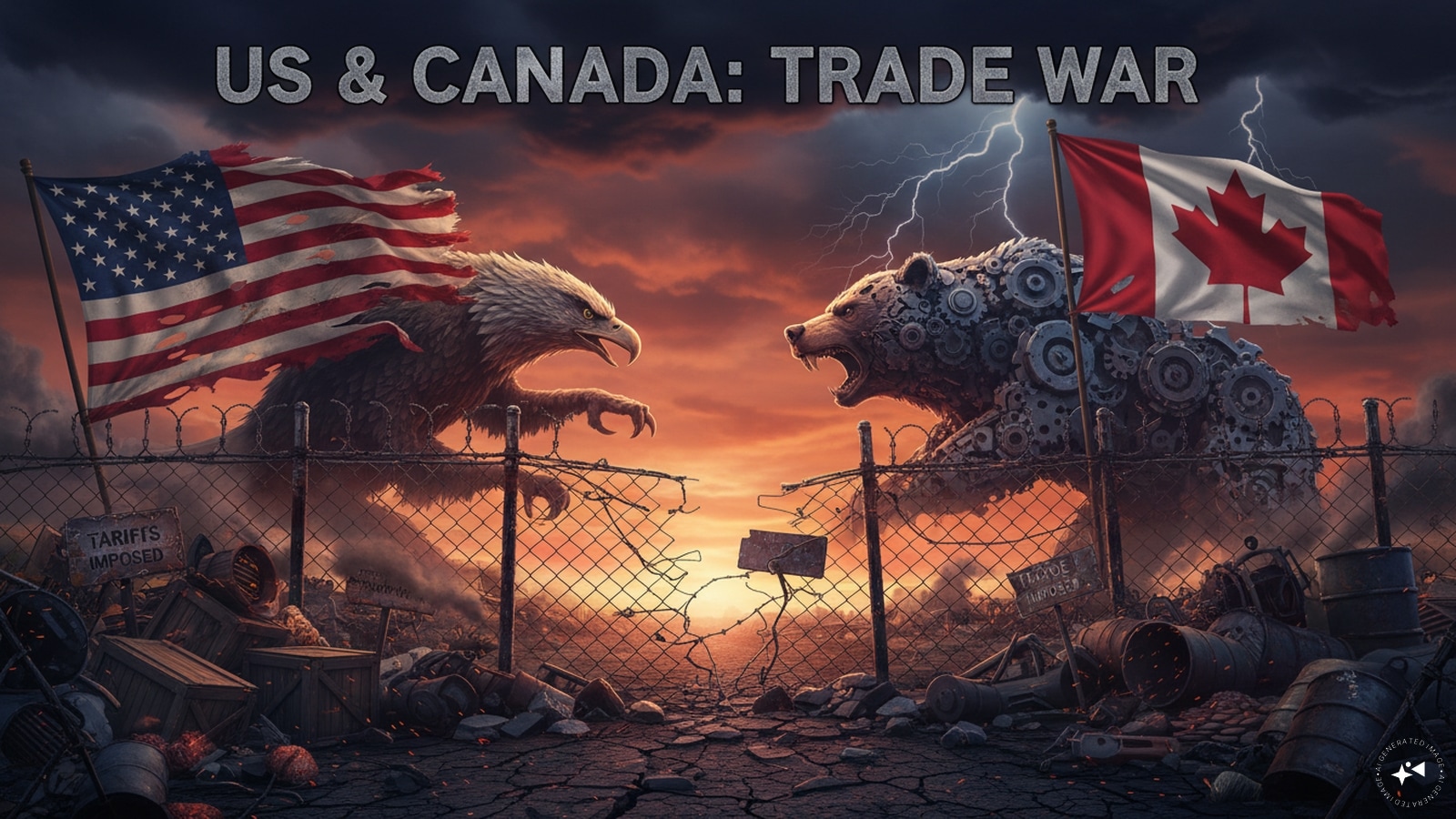
The lazy consensus in modern financial journalism follows a predictable script. Two neighboring nations hit each other with protective duties, talks collapse in a flurry of leaked diplomatic cables, and the pundits hyperventilate about an impending trade war. Markets shudder. Payout-seeking analysts dust off stock phrases about isolationism and economic ruin.
Every single part of that narrative is lazy, outdated, and fundamentally detached from how modern supply chains operate.
I have spent the last fifteen years advising cross-border manufacturers on capital deployment, and I have watched legacy media misread every single bilateral trade friction point since 2018. When Washington and Ottawa slap tariffs on each other, the knee-jerk media reaction assumes a zero-sum game of national economic combat. The reality is far more cynical, far more calculated, and entirely divorced from the theater played out on your evening news.
Let us dismantle the core misconceptions driving the current panic.
The Myth of the Bilateral Deadlock
The standard report claims that collapsed talks mean total economic warfare. This ignores the structural integration of North American manufacturing.
When a tariff hits steel, aluminum, or lumber crossing the northern border, the headline treats it like a wall going up between hostile states. In practice, it functions more like an internal tax on vertically integrated conglomerates that happen to span two jurisdictions. A typical automotive component crosses the border seven times before a vehicle rolls off the assembly line. A tariff does not simply punish the Canadian exporter; it squeezes the American assembler, who passes the cost to the domestic consumer, who then blames foreign policy.
Politicians know this. Trade negotiators know this. The entire theater of collapse and confrontation is frequently domestic signaling designed to appease specific labor lobbies while backchannel supply adjustments happen quietly behind closed doors.
To understand why these trade spats never spiral into true economic isolation, you have to look at the math of capital flight. Modern corporations do not repatriate supply chains because of a ten percent duty. They absorb it, optimize around it, or pass it downstream.
Why the Wrong Questions Dominate the Debate
If you scan the public discourse, you will find people asking the wrong questions entirely.
- Are we entering a destructive trade war with our northern neighbor? No, because neither economy can survive a decoupling of raw material inputs and energy grids.
- Who wins when talks break down? Nobody wins, but more importantly, nobody actually walks away. The negotiation table simply moves from public microphones to private boardrooms.
The real question nobody is asking: How much corporate rent-seeking is being subsidized by this political theater?
Tariffs are rarely about national security or protecting workers. They are strategic carve-outs. When specific duties are levied, watch which exemption clauses appear three months later. Follow the lobbying dollars. You will find that protectionist walls always have revolving doors for the companies with the best legal representation.
The Uncomfortable Downsides of the Contrarian Play
Being right about trade mechanics does not make life easy for operators on the ground.
Adopting a contrarian stance—ignoring the panic, refusing to stockpile unnecessary inventory, and treating tariff threats as short-term noise rather than structural shifts—carries real execution risk. If you ignore the panic and your competitor panics successfully by lobbying for a specific exemption, you lose margin in the short term.
That is the price of clear-eyed analysis. Protectionism creates artificial distortions, and ignoring those distortions entirely is corporate suicide. The trick is treating them as compliance costs, not existential threats.
What You Should Do Instead of Panicking
Stop treating trade policy like a geopolitical thriller. Treat it like a tax code adjustment.
- Audit your tier-three suppliers. If your input costs depend on cross-border logistics, do not look at the headline tariff rate. Look at the country-of-origin rules and tariff-rate quotas. That is where the actual margin gets decided.
- Ignore the rhetoric of collapse. When politicians walk out of talks, check which industry groups immediately praised the breakdown. That tells you who pulled the strings.
- Build compliance agility, not panic fortresses. Do not move factories based on election-cycle posturing. Build supply chains flexible enough to pivot six percent in either direction without blowing up your balance sheet.
The next time a headline screams about a collapsed trade summit, remember that the border is wide open, the trucks are still rolling, and the people writing the panic pieces have never run a supply chain in their lives.