Every single report on minority rights in South Asia follows a predictable, lazy script. A tragedy occurs, outrage floods social media, think tanks issue sterile white papers, and commentators demand international sanctions. Then the news cycle turns, nothing changes, and the exact same tragedy repeats six months later.
We are addicted to the surface-level theater of moral outrage while ignoring the structural machinery keeping the cycle alive.
Look at the standard coverage of minority girls allegedly abducted, converted, and married off in interior Sindh or Punjab. The mainstream narrative tells you this is purely a religious crusade driven by fanatical mobs. That framing is comforting because it has clear villains and clear victims. It lets politicians grandstand and cable news channels churn out high-octane indignation for a week.
It is also dangerously incomplete.
When you strip away the emotional rhetoric and examine the socio-economic geography of these incidents, a starker, far more uncomfortable reality emerges. This is not simply a theological war. It is an economic trap, a legal vacuum, and a failure of governance masked as piety. If we keep treating this solely as a crisis of religious intolerance, we will never stop it.
The Economics of Impunity
Let us talk about land, debt, and power. The vast majority of these cases do not happen in cosmopolitan urban centers like Islamabad or Lahore. They happen in rural backwaters where feudal landlords hold absolute dominion over agrarian labor pools.
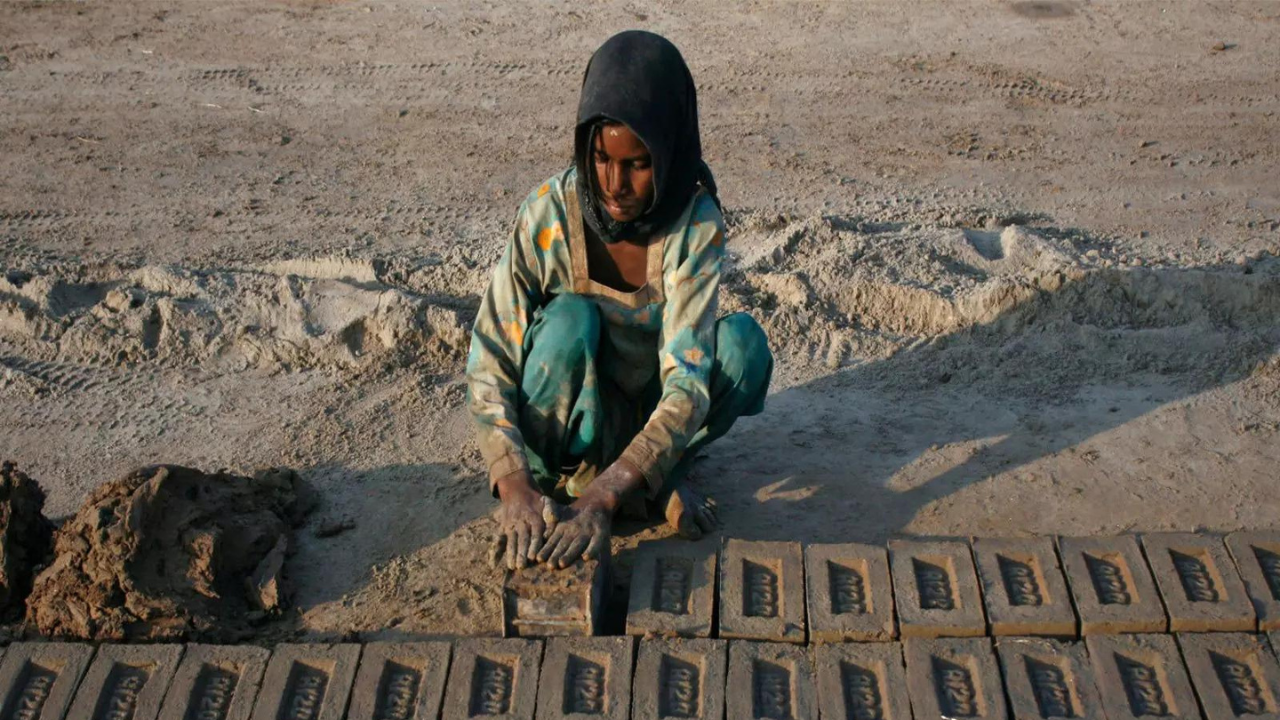
I have spent time talking to local human rights lawyers and community advocates in Sindh who do not care about Twitter hashtags. They see the ledger sheets. In these districts, generational bonded labor is an open secret, even if it is technically outlawed. Poor Hindu families often live under crushing debt cycles tied to local landlords or influential clerics.
When a minor girl disappears, the immediate assumption in the newsroom is a coordinated religious conspiracy. Often, the reality is much more mundane and much more sinister: an intersection of poverty, lack of civil registration infrastructure, and a predatory legal system that treats women as property rather than citizens.
Local police forces are rarely bastions of independent justice. They are extensions of local power structures. When a powerful family or an influential clerical network backs a forced marriage, the local precinct looks the other way. They do not do it because every cop is a zealot; they do it because crossing the local power broker guarantees career ruin or physical violence.
By framing this exclusively as a communal clash between Muslims and Hindus, we let the secular economic exploiters off the hook. The feudal lords love the religious framing. As long as the public is screaming about theology, no one is auditing land titles, labor laws, or minimum wage enforcement.
The Legal Shell Game
The second major flaw in the conventional discourse is our misunderstanding of how the legal system actually operates on the ground.
Activists love to demand tougher criminal laws against forced conversions. They draft model bills and lobby provincial assemblies. But more ink on paper is useless when the existing legal machinery is rotten at the foundation.
Consider the issue of age verification. In many rural districts of Pakistan, birth certificates are luxury items. Children grow up without official documentation. When a girl is allegedly fourteen, the defense produces a marriage certificate and a quick affidavit signed by a compliant cleric asserting she is eighteen and a consenting adult.
Once that marriage certificate is filed, the civil courts enter a jurisdictional paralysis. Under various regional interpretations of personal law and civil jurisprudence, once a minor undergoes puberty and marries, courts are notoriously reluctant to separate them, often prioritizing the husband's custody rights over parental guardianship.
Imagine a scenario where a family fights this in a local trial court. They face months of intimidation, delayed hearings, extortionate legal fees, and social ostracization. By the time an appellate court in a major city actually looks at the file with fresh eyes, the girl has been coerced into recording a statement on video claiming she converted of her own free will.
Why does she record that video? Because the alternative is admitting coercion while living in a society where honor, stigma, and lack of state-provided witness protection make returning to her family an invitation to further violence.
The system doesn't just fail these victims; it actively manufactures their consent through administrative exhaustion.
Why the International Outrage Machine Fails
We need to talk about the comfort of cheap outrage.
Diaspora activists and international advocacy groups treat these incidents as cudgels in a broader geopolitical culture war. One side uses them to prove the inherent barbarism of a neighboring state; the other side dismisses them as western propaganda or isolated criminal acts inflated by hostile media.
Both responses are useless.
International condemnation issued from air-conditioned offices in Geneva or Washington does not protect a teenage girl in Ghotki. In fact, heavy-handed external pressure often backfires. It triggers defensive nationalism within the host country, allowing local politicians to paint domestic human rights defenders as foreign agents or traitors. The state digs its heels in, the clerics become more entrenched, and the victims become bargaining chips in diplomatic chess games.
If you want to fix this, stop treating human rights as a spectator sport for social media clout. Real reform requires gritty, unglamorous, on-the-ground legal infrastructure work. It means funding witness protection programs that actually work. It means digitizing birth and marriage registries so corrupt local councils cannot backdate documents. It means offering financial alternatives to families trapped in bonded labor so they are not vulnerable to predators who use debt as a weapon.
The Hard Truth About Accountability
Let us be entirely candid about the downsides of this argument.
Admitting that this crisis is driven as much by poverty, civil registration failures, and weak policing as it is by religious extremism strips away the clean narrative of good versus evil. It forces us to confront uncomfortable truths about state capacity, economic inequality, and the failure of secular institutions in developing democracies.
It is much easier to curse the darkness of religious fanaticism than to fix the plumbing of a broken civil bureaucracy.
Until local governments invest in mandatory birth registration, enforce child marriage laws with actual prison time for perpetrators—regardless of their clerical or political standing—and dismantle the feudal economic models that keep rural families destitute, no amount of moral posturing will save another child.
Stop writing petitions. Start auditing the registries.