Media coverage of catastrophic floods loves a miracle. Headlines scream about survivors pulled from rubble after ten or eleven days, feeding a comforting narrative that human endurance knows no limits. It makes for viral content. It generates emotional resonance. It is also an absolute statistical anomaly that distorts how emergency response and public safety actually work.
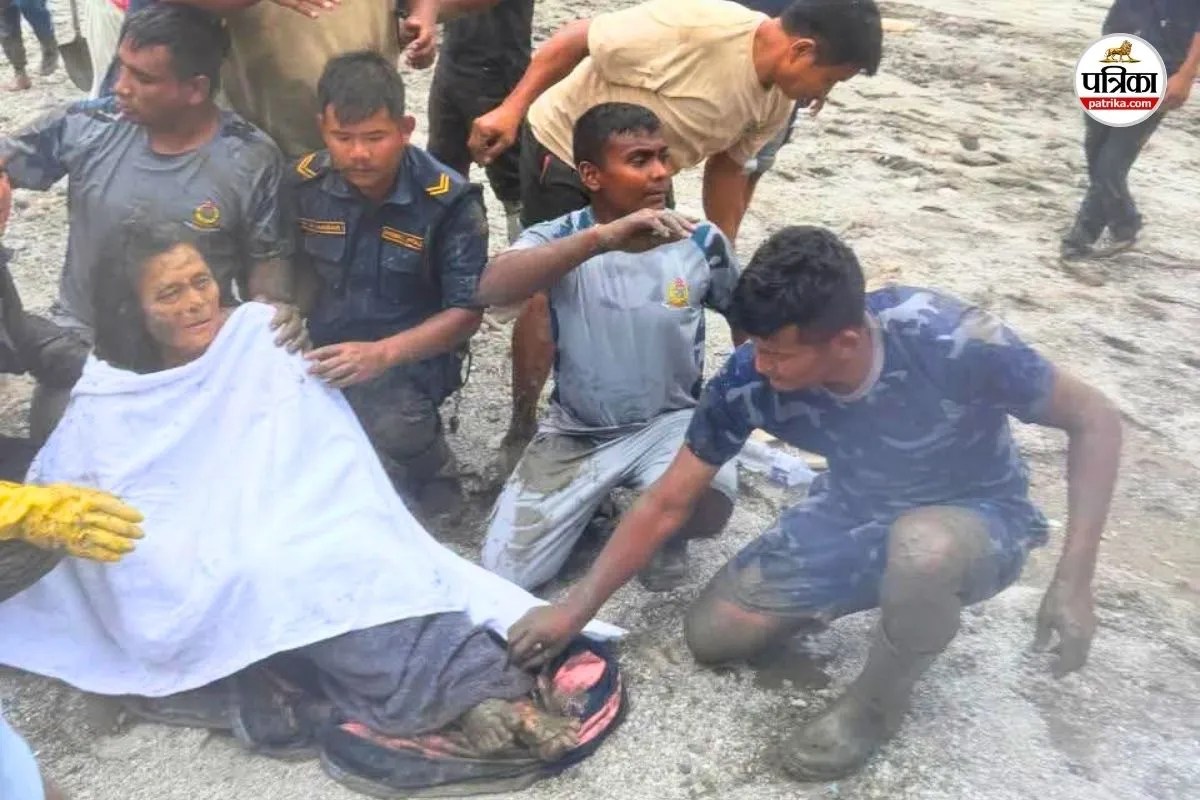
When a 64-year-old woman is hauled out of a mud-caked house in Nuwakot or workers emerge from hydropower tunnels after days of pitch-black entombment, the internet treats it as a baseline expectation for search-and-rescue operations. This is a fatal mistake. Every hour spent chasing miraculous multi-week survival narratives shifts resources away from cold, calculated triage math. If you found value in this piece, you might want to check out: this related article.
The Physics of the Golden Window
Emergency management is governed by unyielding physiological constraints, not cinematic plot armor. The human body without water enters terminal organ failure within three to seven days, depending entirely on ambient temperature, humidity, and compression trauma. When floodwaters mix with glacial silt and crush structures, victims face hypothermia, compartment syndrome, and rapid dehydration.
The obsession with outlier survivals creates what disaster sociologists call the miracle bias. Audiences read about an individual who survived a localized air pocket or retained access to stagnant moisture, and they assume standard protocols should be extended indefinitely. For another perspective on this development, see the latest update from The Guardian.
Consider the operational reality on the ground in regions like the Trishuli valley. Thousands remain missing. Heavy machinery and international teams face staggering volumes of dense debris. When media outlets focus exclusively on the rare statistical blip of prolonged survival, they obscure the brutal truth of disaster logistics: the vast majority of lives are saved within the first seventy-two hours, or not at all.
The Cost of Hope-Driven Resource Allocation
I have watched local authorities bow to public pressure and family grief, redirecting heavy excavators and specialized canine units toward low-probability structural voids because a viral report suggested someone might still be breathing deep under the silt.
This emotional redirection kills.
Every minute a specialized tunneling team spends probing a structurally compromised zone based on a long-shot hunch is a minute stolen from stabilizing active infrastructure, managing sanitation to prevent post-flood cholera outbreaks, or recovering bodies before decomposition contaminates local water tables.
The media refuses to report the inverse equation. For every miraculous extraction after more than a week, dozens of rescue workers are exposed to secondary collapses, flash-flood revivals, and toxic sludge hazards.
Dismantling the Myth of Intuitive Rescue
People ask why rescue teams do not check every single submerged room indefinitely. The question itself stems from a fundamental misunderstanding of structural weight and fluid dynamics. Thick river silt acts like concrete once it settles. It seals entry points, cuts off oxygen diffusion, and exerts immense hydrostatic pressure on internal walls.
An air pocket large enough to sustain human life for over a week inside a flooded, mud-packed structure is rarer than winning a lottery jackpot twice. Treating that anomaly as a standard operating parameter wastes finite capital, exhausts exhausted military and civilian responders, and misleads families into an agonizing limbo.
Stop looking for miracles in the mud. Start demanding rigorous infrastructure engineering, immediate early-warning telemetry, and rapid-deployment protocols that save people on day one, instead of romanticizing the statistical miracles of day eleven.