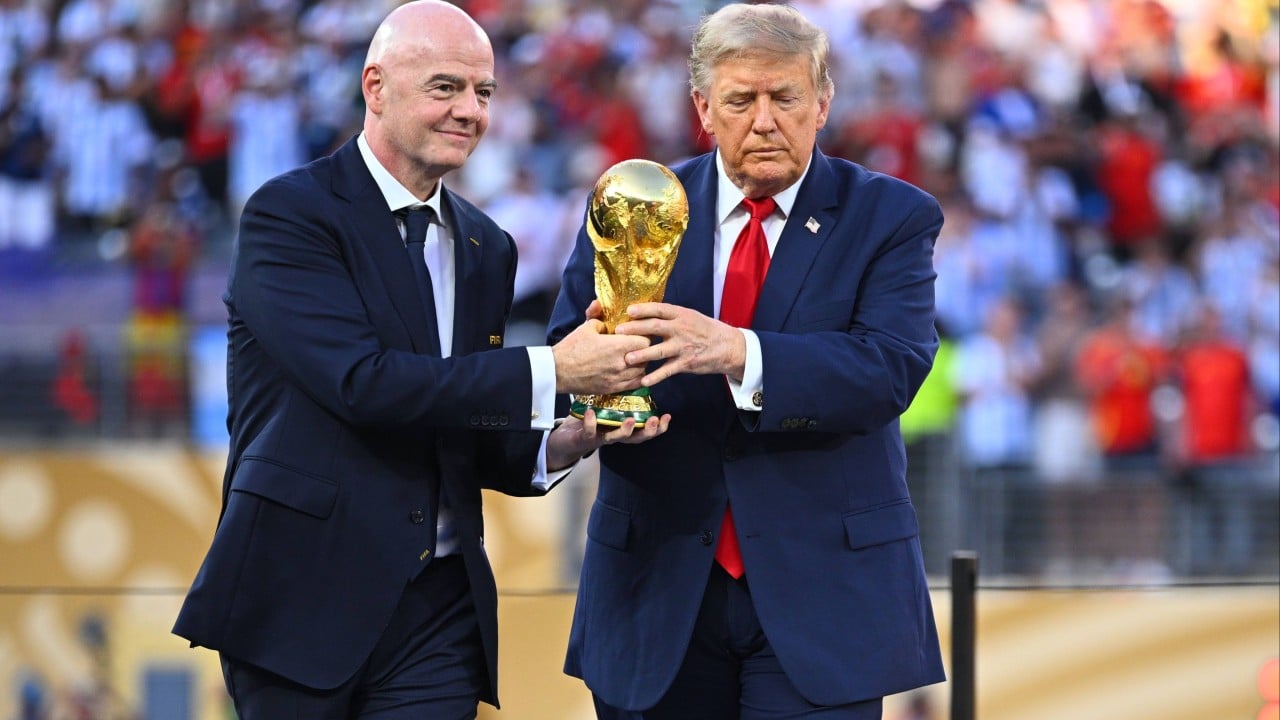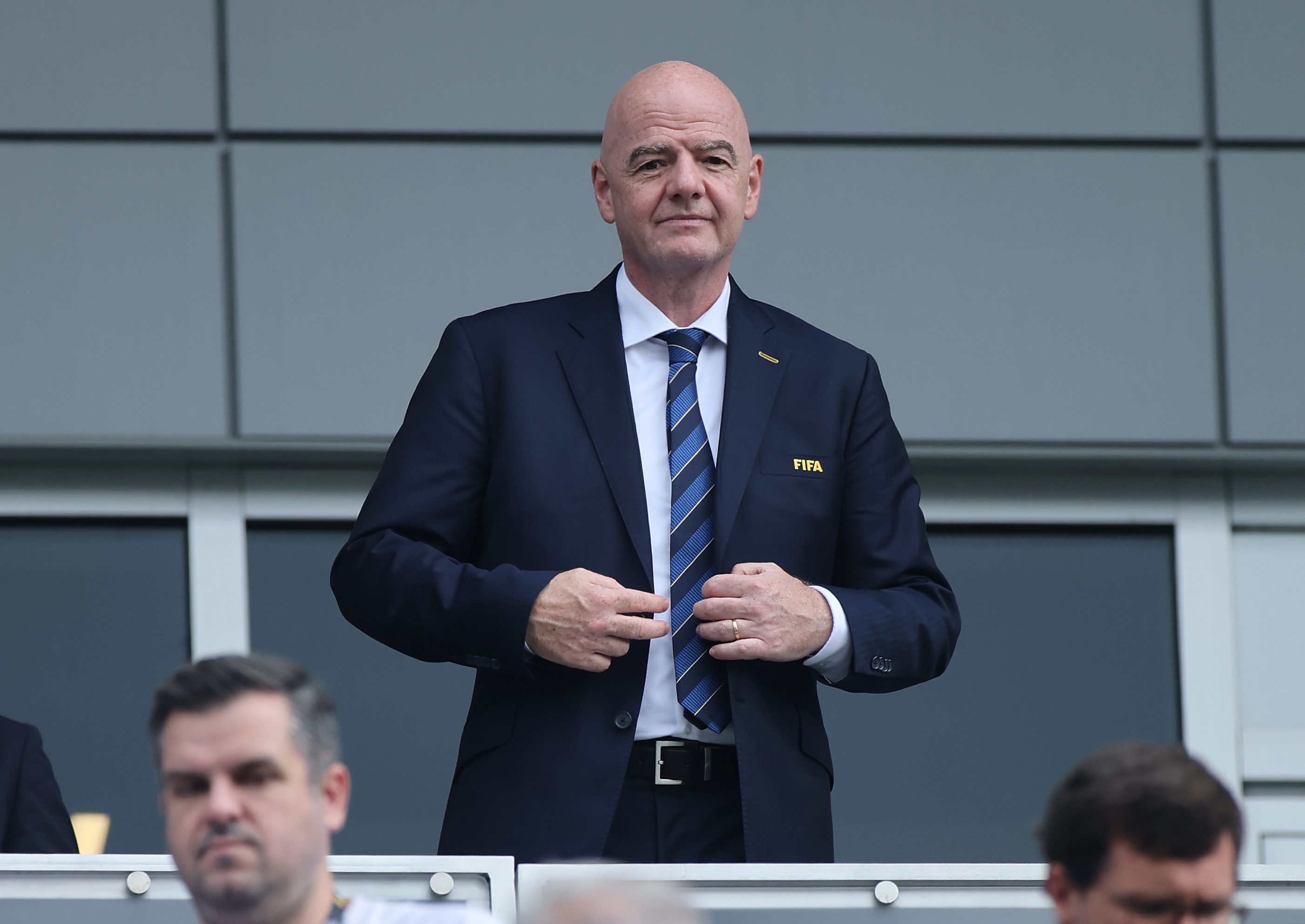
The headlines scream about principaled stands, moral courage, and European soccer leaders drawing a hard line in the sand by threatening to boycott the World Cup. It makes for fantastic copy. It plays well on morning talk shows and social media threads where outrage currency trades at an all-time high.
It is also complete nonsense. For an alternative view, see: this related article.
I have spent the better part of two decades watching sports governance up close, sitting in backrooms where broadcasting rights deals are hammered out at three in the morning and commercial partnerships are weighed against ethical concerns. I have seen administrators fold like cheap lawn chairs the second a major sponsor threatens to pull a checkbook. The idea that European federations are suddenly going to sacrifice their primary revenue engine, alienate their broadcast partners, and torpedo their own commercial ecosystems over moral indignation is a fairy tale told by people who do not understand how modern sport operates.
Let us dismantle the lazy consensus. Similar reporting on this matter has been published by NBC Sports.
The Economics of Compliance
The conventional narrative assumes that soccer associations operate like independent moral agents. They do not. They are multi-billion-dollar corporate conglomerates disguised as sporting bodies.
When a national federation talks about a boycott, look at the balance sheet. FIFA controls the global distribution of World Cup revenues, funneling hundreds of millions of dollars back into domestic associations through development programs and tournament participation payouts. For most European federations, these funds are the lifeblood that keeps grassroots infrastructure afloat.
Imagine a scenario where the English, German, and French associations actually follow through on this grand threat. Within forty-eight hours, domestic broadcast partners would invoke force majeure clauses due to devalued national team assets. Sponsorship values would crater. Commercial partners would sue for breach of contract because the core product they paid to associate with—the global showcase—has been intentionally degraded by executive ego.
Administrators know this. They know that a real boycott means immediate insolvency for smaller member associations and severe austerity for the heavyweights. That is why these threats always emerge during preliminary qualification windows when political pressure is high, only to quietly evaporate the moment tournament logistics and commercial revenue distributions are finalized. It is a pressure tactic designed to extract concessions, not a genuine ideological split.
The Myth of the Moral Mandate
Fans love to romanticize the sport. They want to believe that the pitch is a sanctuary untainted by geopolitics and corporate greed. This is a comforting delusion.
European soccer has spent decades sleeping in the same bed with questionable state actors, autocratic sovereign wealth funds, and hyper-monopolistic commercial partners. Ownership groups across the continent's elite club leagues are routinely backed by regimes with human rights records that make FIFA look like Amnesty International. Yet, when domestic leagues play their weekend matches, the stadiums sell out, the television cameras roll, and nobody throws a tantrum.
Why? Because convenience trumps conscience.
When elite associations threaten a World Cup boycott, they are practicing selective outrage. They target international governing bodies because it costs them nothing to posture on the global stage. It shifts the spotlight away from their own structural corruption, skyrocketing ticket prices that lock out local working-class fans, and complicity in financial doping within domestic leagues.
If European leaders were genuinely interested in structural reform, they would start by overhauling their own domestic governance models, capping executive compensation, and re-investing television windfalls into community access rather than hoarding wealth at the top. Instead, they pick fights with FIFA over governance cycles because it provides maximum PR value with zero operational risk.
The Real Power Play
Behind the closed doors of UEFA and FIFA, this is never about human rights or player welfare. It is a turf war over control and revenue splits.
Every time a new tournament format is proposed—whether it is an expanded Club World Cup, a revamped Champions League, or modifications to the international match calendar—the traditional European power brokers throw a fit. They claim player fatigue. They claim the integrity of the game is compromised.
Let us be entirely honest about what player fatigue actually means to these administrators. It does not mean they care about the health of a striker running three thousand minutes a season. It means they resent FIFA cutting into the calendar space that UEFA relies on for its own cash-cow tournaments. The threat of a boycott is just a bargaining chip in an ongoing cartel negotiation over who gets to skim the cream off the global football economy.
When the dust settles, the matches will be played. The broadcasting contracts will be renewed. The executives will clinking champagne glasses in VIP hospitality suites while fans on social media pretend a moral victory was somehow achieved.
Stop buying the theater. The game is run by accountants and politicians, and the bottom line always wins.