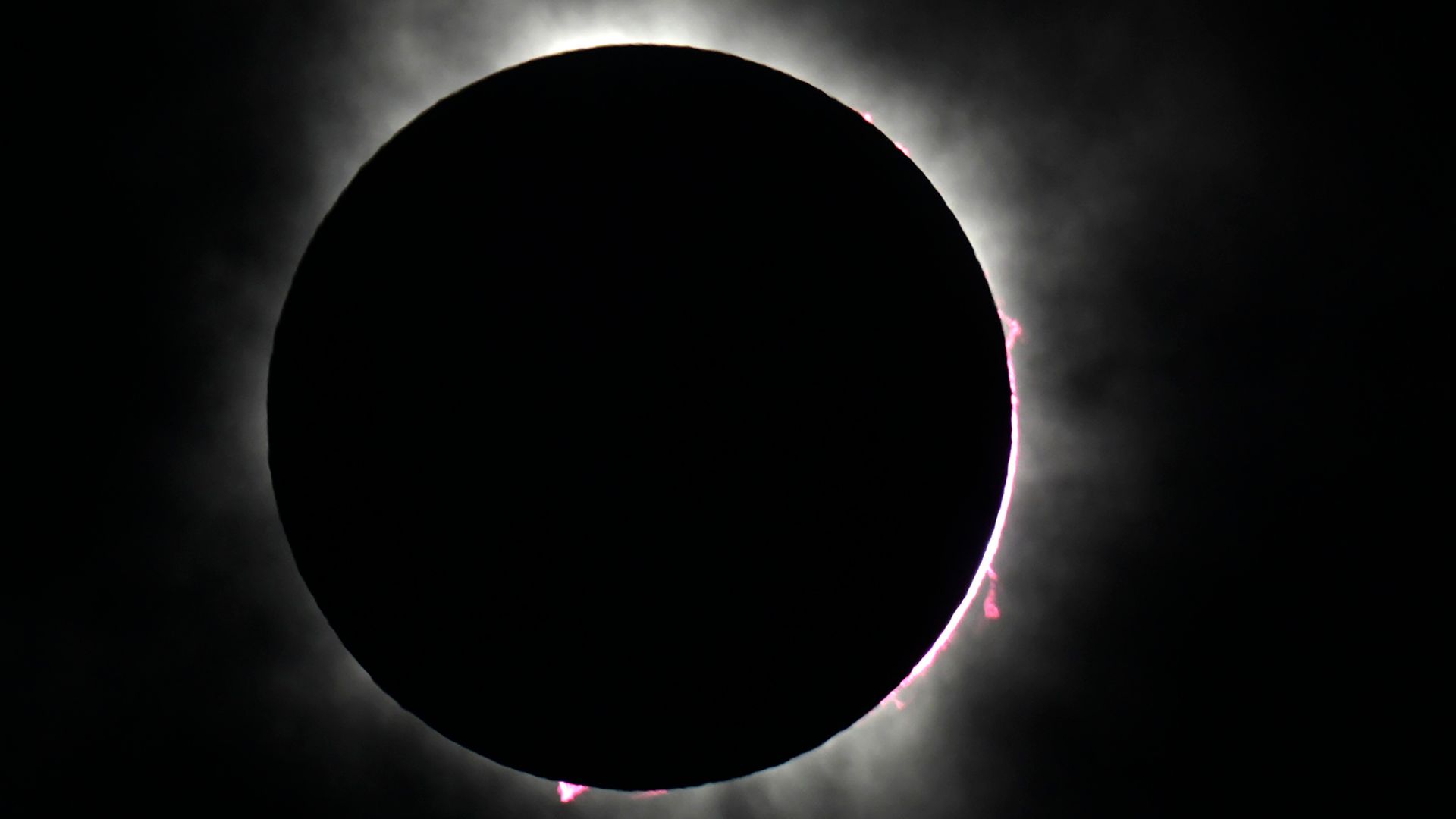
Europe is about to experience its first total solar eclipse in nearly three decades on August 12, 2026. While mainstream travel guides focus on the best photography angles, they are missing the real story. A logistical nightmare is quietly unfolding across Spain, Iceland, and Greenland. Millions of travelers are preparing to converge on a narrow path of totality, but municipal infrastructure is dangerously unprepared for the sudden surge.
The path of totality—where the moon completely blocks the sun—will sweep across the northern Atlantic, clipping western Iceland before cutting a diagonal swath right through the heart of Spain. For a different look, see: this related article.
The Path of Totality Exploded the Hospitality Market
Hotel rooms along the direct path vanished over a year ago. What remains is a volatile secondary market driven by algorithms and desperate travelers. In rural Spain, small villages with populations under a thousand are seeing rental listings spike to thousands of euros per night.
This is not a standard vacation rush. It is a hyper-concentrated migration. For exactly a few minutes, specific coordinates become the most valuable real estate on earth. Local authorities in places like Burgos and Zaragoza are quietly panicking about water supply, cellular network congestion, and gridlock on two-lane rural roads. Related coverage on this matter has been shared by Travel + Leisure.
Historical data from the 2017 eclipse in the United States shows that traffic congestion can trap travelers for twelve hours or more post-totality. Europe’s older, narrower road networks face an even steeper challenge. The northern coast of Spain features winding mountainous routes that could easily paralyze emergency services if thousands of motorists park on shoulders to watch the sky.
Iceland and the Arctic Weather Gamble
Iceland represents the premium option for eclipse chasers. The Reykjanes Peninsula and parts of the western fjords offer dramatic volcanic backdrops for the event. Yet, seasoned astronomers are pointing out a massive flaw in the plans of most tourists.
Weather data indicates that Iceland has a high probability of cloud cover in mid-August. Travelers spending a fortune on flights and camper vans risk viewing nothing but a dark gray fog.
- Reykjavík: High accessibility, but a nearly 70 percent historical chance of overcast skies on August 12.
- Northern Spain: Lower cloud probability, around 20 to 30 percent, making it the statistically safer bet for actual viewing.
- Greenland: Pristine viewing conditions but almost zero tourism infrastructure to support visitors outside of highly organized expedition cruises.
The maritime industry has capitalized on this by deploying specialized vessels to the Greenland Sea. These cruises allow wealthy travelers to chase clear openings in the weather, pivoting the ship based on real-time satellite imagery. For the average traveler on the ground, however, mobility will be strictly limited by traffic.
The Economic Aftershock for Small Communities
Municipalities are viewing the eclipse as a quick economic injection. This perspective ignores the long-term strain on local resources.
Consider a village in rural Aragon. To accommodate an influx that is ten times the local population, the municipality must rent portable sanitation units, hire private security, and set up temporary medical tents. These upfront costs drain local budgets months before a single tourist spends a euro on a local meal.
Furthermore, the economic benefit is highly concentrated. Gas stations, grocery stores, and hotels profit immensely. Traditional restaurants and artisanal shops often find themselves completely avoided by transient crowds who bring their own food and leave immediately after the moon passes the sun.
Protecting Your Sight and Your Wallet
The surge in demand has also created a market for counterfeit goods. Total solar eclipses require ISO 12312-2 certified viewing glasses. Unscrupulous online vendors are already flooding major retail platforms with cheap, uncertified plastic replicas that fail to block harmful infrared and ultraviolet radiation.
Using unverified eclipse glasses can cause permanent retinal burning, known as solar retinopathy, within seconds of looking directly at the sun.
True certification cannot be faked with a simple printed label. Legitimate manufacturers are typically vetted by organizations like the American Astronomical Society or European equivalents. Testing your glasses beforehand by looking at a standard indoor lightbulb is a reliable preliminary check; you should see absolutely nothing through legitimate solar film except an incredibly faint filament.
How to Navigate the Path Strategically
The smartest move for anyone intending to witness this event is to avoid the primary target hubs entirely. Do not try to book a stay in the exact center of the path of totality. Instead, secure lodging two to three hours outside the zone.
Wake up in the early hours of August 12 and drive into the path well ahead of schedule. Pack enough water, food, and fuel to remain entirely self-sufficient for 24 hours. Treat the trip like a remote camping expedition rather than a standard European holiday. Once the sky clears and darkness falls in the middle of the afternoon, the chaos on the roads will matter significantly less than the clear view overhead. Turn off your phone, ignore the urge to photograph a phenomenon that professional satellites will capture perfectly, and simply watch the horizon turn into a 360-degree sunset.