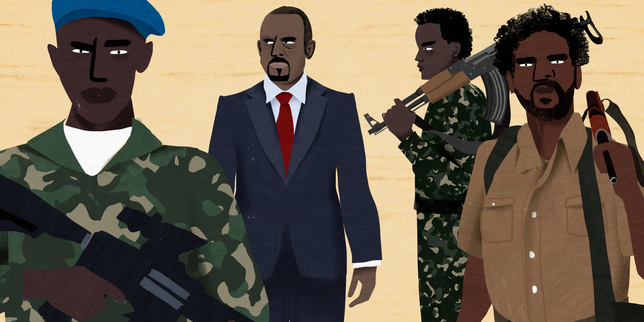
Peace in the Horn of Africa is fragile. It breaks constantly. If you look at Ethiopia today, you see a nation trapped in a devastating loop of ethnic federalism, historical grievances, and unresolved political power struggles. The Tigray conflict was supposed to end with the Pretoria Agreement. It didn't bring stability. Instead, new fronts opened up in Amhara and Oromia.
Let's cut through the diplomatic jargon. Ethiopia isn't just dealing with a localized feud. The entire constitutional architecture of the state is fracturing.
The Root Cause Everyone Ignores
Ethiopia’s current crisis traces back to 1991. That was the year the Ethiopian People's Revolutionary Democratic Front ousted the Derg regime. They didn't just rebuild the government. They redesigned the country around ethnic federalism under Article 39 of the 1995 Constitution. This allowed regions to organize along linguistic and ethnic lines. It also gave them the theoretical right to secede.
At first glance, this looked like a victory for minority groups. In practice, it institutionalized ethnic identity as the primary currency of political power.
For nearly three decades, the Tigray People's Liberation Front dominated this system. When Abiy Ahmed took power in 2018, he tried to dismantle the old ethnic-party apparatus. He formed the Prosperity Party to unify the country under a centralized banner. Tigrayan leaders saw this as an existential threat to their regional autonomy.
That structural clash triggered the 2020 northern war.
The Illusion of the Pretoria Peace
The November 2022 Pretoria Agreement stopped the mass slaughter in Tigray. It promised disarmament, the restoration of federal authority, and the expulsion of foreign Eritrean forces.
Diplomats celebrated. They called it a breakthrough.
They ignored the uncomfortable realities on the ground. Western Tigray remains contested territory. Displaced populations can't return home safely. Most importantly, the Tigray war created a vacuum. It empowered other armed factions, particularly the Fano militias in the Amhara region and the Oromo Liberation Army in Oromia.
When the federal government tried to integrate regional forces into the national army in early 2023, Amhara fighters revolted. They believed Abiy was stripping them of their defenses while leaving hostile neighbors armed.
Now, federal troops fight a multi-front counterinsurgency. Drones strike towns in Amhara. Curroptions and economic despair choke Addis Ababa.
Why Regional Powers Keep Fueling the Fire
Foreign intervention makes everything worse. Eritrea’s President Isaias Afwerki views a stable, democratic Ethiopia as a direct threat to his regime. Asmara backed the federal government against Tigray out of sheer opportunistic hatred for the TPLF. Now, Eritrean troops maintain positions inside sovereign Ethiopian territory.
At the same time, regional giants like Egypt watch the Grand Ethiopian Renaissance Dam dispute with anxiety. While Cairo hasn't launched direct military action, the Nile basin politics cast a long shadow over Addis Ababa's security calculations.
Economic strain amplifies every grievance. Inflation sits at crippling levels. Foreign currency reserves are near zero. Drought ravages parts of Oromia and the Somali region. When people have no food and no jobs, joining an armed militia becomes an economic survival strategy.
Breaking the Cycle
Ethiopia needs a real national dialogue. Not the staged political theater managed by Addis Ababa, but an inclusive conversation about how the country is governed.
Article 39 needs a serious, honest review. Either the government decentralizes power effectively without stoking ethnic cleansing, or it renegotiates the social contract entirely. Right now, Addis Ababa relies on force. Drones and state of emergency decrees buy time. They don't build peace.
If the international community treats this as a temporary flare-up, they are missing the bigger picture. Ethiopia is holding together by sheer inertia. Unless regional leaders choose compromise over ethnic domination, the current slide toward fragmentation will accelerate.
The warning signs are flashing bright red. Ignoring them won't make them go away.


