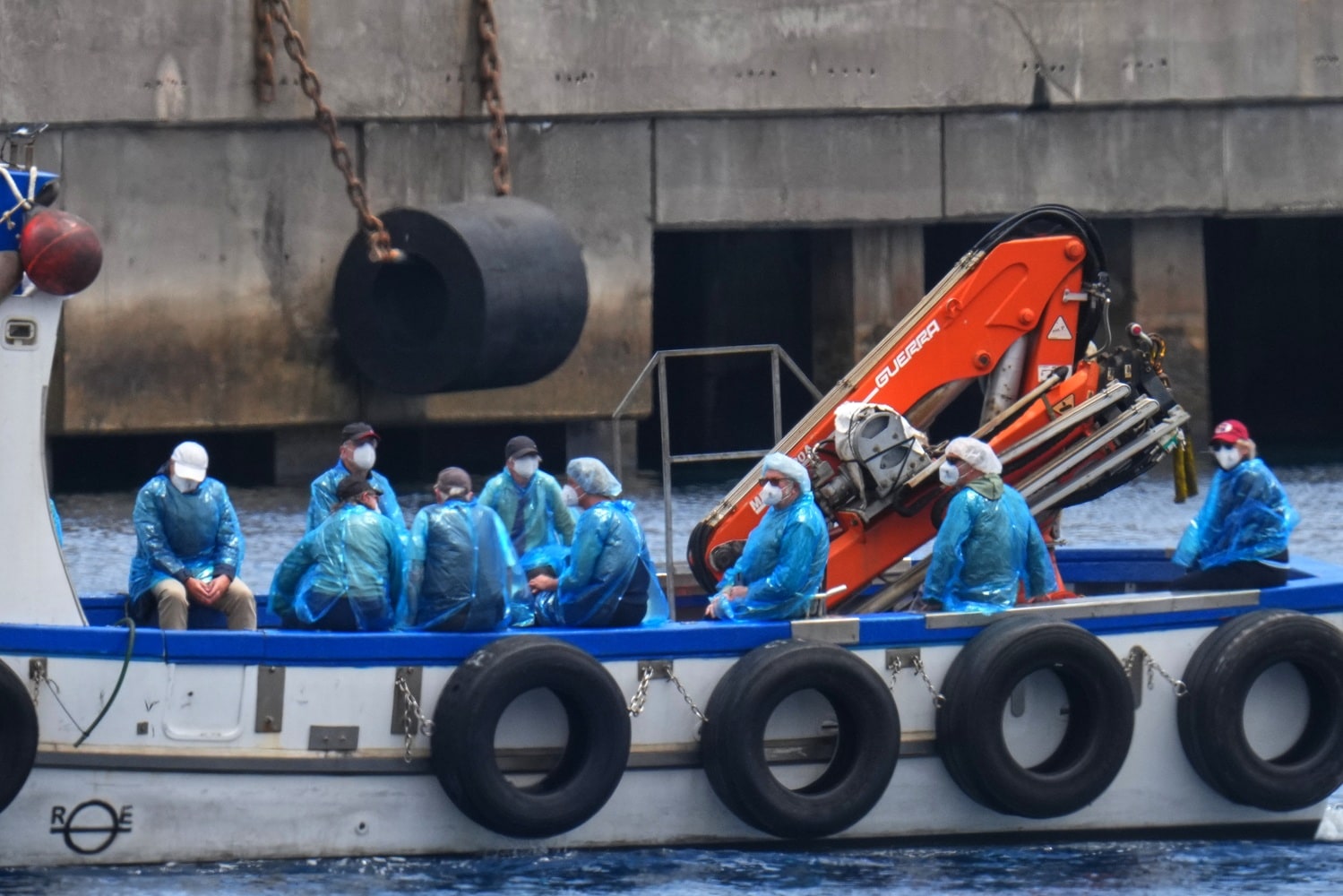
The evacuation of crew members from a cargo vessel off the Indian coast due to suspected Hantavirus infection highlights a critical vulnerability in global maritime biosecurity: the intersection of high-density logistics and zoonotic spillover. While the public often views such outbreaks as freak occurrences, they are the predictable result of failure in vector control and sanitation protocols within the closed-loop environment of a ship. Understanding the risk requires stripping away the sensationalism of "outbreak" headlines and focusing on the mechanical transmission of the virus, the biological constraints of the pathogen, and the operational failures that allow a rodent-borne virus to halt a multi-million-dollar shipping asset.
The Transmission Mechanics of Orthohantavirus
Hantaviruses do not follow the transmission logic of respiratory viruses like influenza or SARS-CoV-2. They are strictly zoonotic, meaning the virus resides in a reservoir host—specifically rodents, shrews, or moles—and spills over to humans through environmental contact. In a maritime context, the risk is almost exclusively tied to the presence of infected rodents within the vessel’s hold, kitchen, or ventilation systems.
The infection pathway is defined by three distinct stages:
- Excretion: The infected rodent sheds the virus through saliva, urine, and feces. Unlike many human viruses, Hantaviruses remain stable in the environment for days under specific humidity and temperature conditions.
- Aerosolization: The virus enters the human host when dried excreta are disturbed. In the confined spaces of a ship—engine rooms, storage lockers, or behind bulkheads—sweeping or moving cargo kicks up microscopic particles. These particles carry the viral load directly into the human respiratory tract.
- Pathogenesis: Once inhaled, the virus targets the vascular endothelium. This leads to increased capillary permeability, the hallmark of the two primary clinical manifestations: Hemorrhagic Fever with Renal Syndrome (HFRS), more common in Eurasia, and Hantavirus Pulmonary Syndrome (HPS), prevalent in the Americas.
The Indian maritime case suggests an HFRS profile, characterized by acute kidney injury and internal bleeding. The severity of the outcome is a function of viral load and the specific strain of the virus, with mortality rates for HFRS ranging from $1%$ to $15%$ depending on the quality of supportive care.
Structural Vulnerabilities in Global Shipping
A ship is a floating incubator for zoonotic risk if the "Three Pillars of Infestation" are met: ingress, sustenance, and nesting. The failure to disrupt any of these pillars leads to the current crisis off the Indian coast.
Ingress Points and Cargo Profiles
Rodents typically enter ships during the loading process, particularly when dealing with agricultural bulk or break-bulk cargo. Ports with substandard sanitation infrastructure act as the primary source. Once a breeding pair is onboard, the geometric growth of the population exceeds the capacity of standard "snap-trap" or baiting protocols.
Ventilation as a Distribution Network
Modern vessels utilize centralized HVAC systems. If a rodent nest is located near an intake or within a duct, the aerosolized virus is distributed throughout the living quarters. This transforms a localized hygiene issue in the cargo hold into a ship-wide biological hazard.
The Diagnostic Gap
The primary operational failure in this case is the lag between symptom onset and evacuation. Early symptoms of Hantavirus—fever, chills, and muscle aches—are non-specific and often dismissed as common fatigue or minor viral infections. By the time "red flag" symptoms appear (lower back pain, hypotension, or oliguria), the patient is often entering the critical phase of renal failure. The lack of rapid, ship-board diagnostic kits for viral antigens creates a lethal delay in triage.
Quantifying the Operational Impact
The cost of a Hantavirus-related evacuation extends far beyond the medical bills of the crew. It triggers a cascade of logistical and legal liabilities that can be quantified through a "Disruption Multiplier."
- Demurrage and Detention: When a ship is forced into quarantine or diverted for medical evacuation, the daily loss in charter hire can range from $20,000 to $150,000, depending on the vessel class (e.g., Capesize vs. Panamax).
- Biosecurity Remediation: Decontaminating a vessel hit by Hantavirus requires professional hazardous material teams. Every square inch of the ventilation system and living quarters must be treated with virucidal agents, often requiring the ship to be out of service for 7 to 14 days.
- Port State Control (PSC) Scrutiny: An outbreak triggers an automatic "red flag" in maritime safety databases. This increases the frequency and rigor of future inspections, leading to further operational delays at every subsequent port of call.
The Misidentification of Risk
Public discourse often conflates Hantavirus with "The Black Death" or Ebola. This is a category error. Hantavirus is significantly harder to contract than a common cold because it lacks human-to-human transmission (with the very rare exception of the Andes virus in South America). The real danger is not a global pandemic, but the occupational fatality rate among specific workers.
The risk is not distributed evenly across the crew. The highest "Risk Coefficients" are found in:
- Maintenance Engineers: Tasked with cleaning filters or working in crawl spaces.
- Cooks and Stewards: Handling food in areas where rodents seek sustenance.
- Loading Masters: Supervising the movement of contaminated cargo.
Strategic Mitigation for Ship Owners
Relying on port authorities for biosecurity is a losing strategy. To insulate a maritime operation from Hantavirus-driven disruptions, the following protocols must be integrated into the Safety Management System (SMS):
HEPA-Integrated Maintenance
Any maintenance involving the cleaning of storage areas or ventilation must be performed using HEPA-filtered vacuums and N95-rated respirators. Dry sweeping in confined spaces should be strictly prohibited, replaced by wet-mopping with 10% bleach solutions to neutralize the virus before it can be aerosolized.
Environmental Decoupling
Ships should move toward "Rodent-Proofing" as a structural standard. This involves the use of metal kick-plates on all doors, sealing cable penetrations with steel wool or hardware cloth, and implementing ultrasonic deterrents in cargo holds.
Sentinel Surveillance
The presence of a single rodent should be treated as a Tier 1 safety violation. Instead of reactive baiting, ships should employ continuous monitoring systems that alert the bridge to rodent activity in real-time, allowing for localized "flash-sanitization" before a viral load can accumulate.
The Indian ship incident serves as a stress test for maritime health protocols. The transition from a "clean ship" to a "quarantined ship" happens the moment a rodent population achieves environmental saturation. Operators who fail to view pest control as a core component of biological risk management will continue to face the high-cost reality of emergency evacuations and asset immobilization. The move from reactive medical response to proactive environmental suppression is the only viable path to maintaining the integrity of the global supply chain against zoonotic threats.