Cuba is currently vibrating with a tension that has not been felt since the darkest days of the 1990s. This weekend, the frustration of millions finally breached the walls of local government offices as protesters in central Cuba, specifically in the city of Morón, targeted the municipal headquarters of the Communist Party. The building was partially destroyed, furniture was set ablaze, and five people were arrested in a scene that would have been unthinkable just a few years ago.
The immediate trigger is a total failure of the electrical grid, but the underlying cause is a sophisticated and tightening energy blockade that has effectively severed the island’s last remaining lifelines. While state media blames the "unexpected departure" of the Antonio Guiteras thermoelectric plant due to a boiler leak, the reality is far more systemic. The grid is not just broken; it is being starved into submission.
The Venezuelan Connection and the Trump Strategy
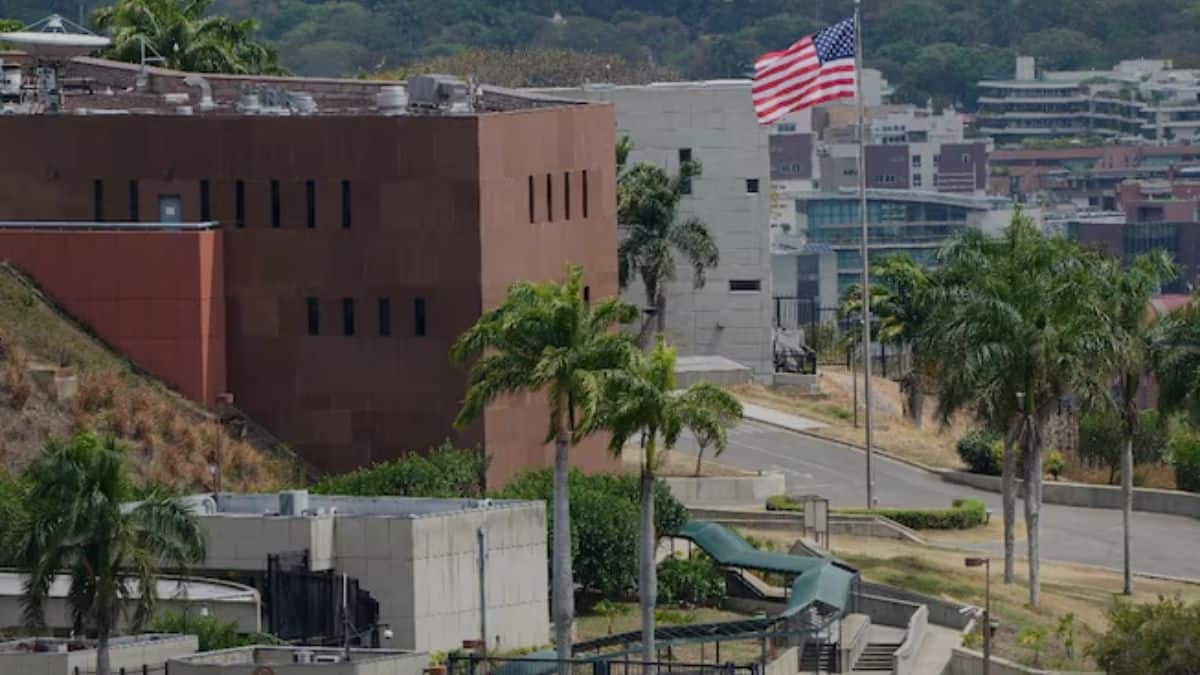
The current crisis accelerated sharply in early 2026 following a seismic shift in regional geopolitics. For decades, Havana relied on a steady flow of roughly 35,000 to 50,000 barrels of oil per day from Venezuela. That pipeline has effectively vanished. Since the detention of Nicolás Maduro in January 2026, the United States has intensified its maritime interdiction efforts, seizing tankers bound for Cuban ports and issuing Executive Order 14380.
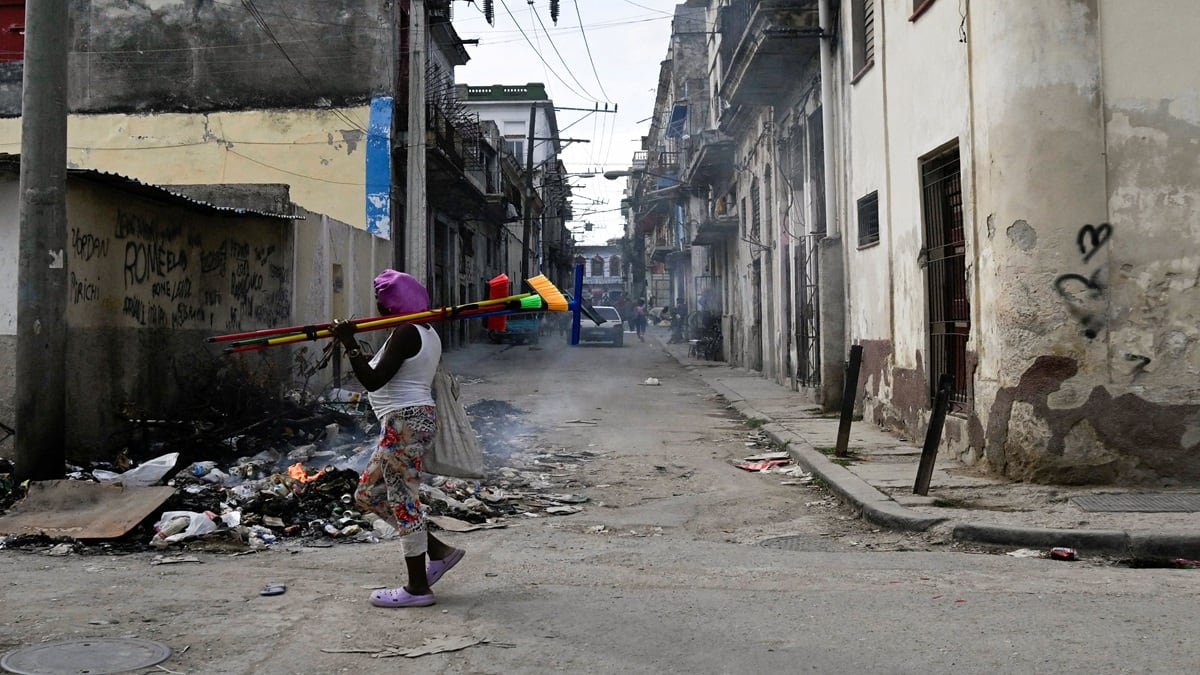
This order is a blunt instrument. It imposes aggressive tariffs on any nation—specifically targeting Mexico’s Pemex—that provides fuel to the island. President Trump has framed this as a final push for a "deal," but on the ground in Santiago and Havana, the result is a humanitarian emergency. Hospitals are operating on fumes, canceling all non-urgent surgeries because backup generators cannot be fueled. Trash collection has ceased in major municipalities because the trucks have no diesel, leading to growing sanitary risks in the Caribbean heat.
A Grid Built on Sand and Soviet Steel
Even without the blockade, the Cuban electrical system is a relic. The Antonio Guiteras plant in Matanzas is the centerpiece of the national grid, yet it is a frequent source of "unexpected" shutdowns. The facility is decades old, and the parts required to fix a high-pressure boiler leak cannot be simply bought on the open market due to the designation of Cuba as a state sponsor of terrorism.
The Cuban government’s recent "War Economy" measures have forced a 20-hour-a-day blackout schedule on the provinces. In Havana, where the government usually tries to keep the lights on to avoid unrest, the outages are now reaching 15 hours. The math is simple and brutal.
- National Demand: Approximately 3,000 MW at peak.
- Available Generation: Frequently hovering below 1,500 MW.
- The Deficit: A constant 50% gap that creates a cascading collapse every time a single major unit trips.
The Rise of the Cacerolazo and Domestic Unrest
The nature of the protests is evolving. While the 2021 demonstrations were broad and spontaneous, the 2026 "March of the Pots" (cacerolazos) is more localized and aggressive. In Morón and Ciego de Ávila, the targeting of Communist Party property signals a shift from asking for "food and electricity" to blaming the administrative core of the state.
The government’s response has been a mix of tactical retreats and hardline rhetoric. President Miguel Díaz-Canel recently confirmed that "communications" are happening with the U.S. government, a rare admission that highlights how desperate the situation has become. Havana is essentially asking for a reprieve from the oil blockade in exchange for political concessions, yet the "maximum pressure" campaign from Washington shows no signs of easing.
The BRICS Lifeline and the Solar Gap
Havana is looking toward Moscow and Beijing for a miracle. Russia has promised "humanitarian" oil shipments, but the logistical hurdles are immense. A tanker from Novorossiysk takes 40 to 50 days to reach Cuba, and with the U.S. Navy monitoring the Florida Straits, the risk of interception is high.
China is taking a longer view, financing the construction of over 90 solar parks intended to add 2,000 megawatts to the grid by 2028. This would be a structural shift away from oil dependency, but solar power without massive battery storage does nothing for the 8:00 PM peak demand. For the family sitting in a dark apartment in Old Havana today, a 2028 solution is an eternity away.
The Cuban peso has plummeted to over 400 to the dollar on the informal market, meaning even when food is available, it is financially unreachable for those earning state salaries. This convergence of no light, no food, and no money has created a "tipping point" that surpasses previous crises. The island is currently operating on a three-month reserve of fuel that is likely already exhausted. Without a diplomatic breakthrough or a sudden influx of oil, the flickering lights of Havana may soon go out entirely.
Would you like me to analyze the specific impact of the U.S. maritime interdiction strategy on the Caribbean oil trade?