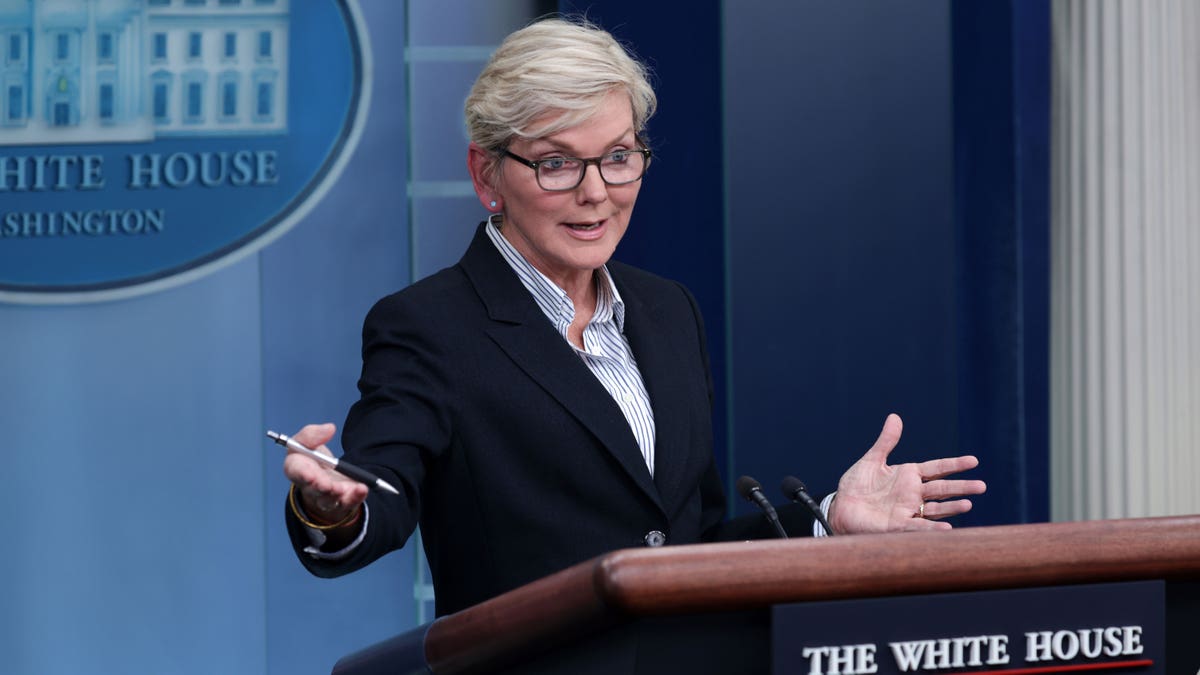
Energy Secretary Chris Wright is projecting confidence that the current oil price spike will subside in weeks, but the reality on the water suggests a far more grueling timeline. As the U.S.-led war against Iran enters its third week, the administration has authorized the release of 172 million barrels of crude from the Strategic Petroleum Reserve (SPR). This move is part of a massive 400-million-barrel coordinated effort by the International Energy Agency (IEA) to prevent a total economic freeze. Yet, the core of the crisis—the effective closure of the Strait of Hormuz—cannot be solved by simply opening the valves on underground caverns in Louisiana and Texas.
The administration’s public stance is that this is a temporary supply shock. Wright and other officials have signaled that the conflict’s most acute economic impacts may resolve shortly. History and the current tactical situation on the ground disagree. While the SPR release can provide a psychological buffer for a few months, it does nothing to clear the sea mines and drone swarms currently paralyzing the world’s most vital energy artery.
The Hormuz Chokepoint Myth
The current strategy relies on the assumption that the Strait of Hormuz is a faucet that can be forced back open. It is not. Iran has moved beyond mere rhetoric, deploying drone swarms against Saudi refineries and threatening to seed the waterway with sophisticated naval mines. Since the conflict began on February 28, daily tanker transits have plummeted from an average of 84 to fewer than 10.
No amount of emergency oil can compensate for the total loss of 20 million barrels per day. The SPR release is designed to deliver roughly 1.4 million barrels per day over the next four months. That is a drop in the ocean compared to the 20% of global supply currently at risk. The math simply does not favor a "quick" resolution. When the U.S. Energy Secretary claims the surge will diminish in weeks, he is betting on a decisive military victory or a diplomatic surrender that neither side seems prepared to offer.
A Reserve Running on Empty
The decision to tap the SPR reveals a deeper desperation. Before this release, the reserve held roughly 415 million barrels. By the time this 172-million-barrel drawdown is complete, the U.S. will be left with its lowest emergency stockpile in decades.
The administration has promised to replenish the reserve with 200 million barrels within the next year, presumably at lower prices. This is a high-stakes short-sell of the global oil market. If the war drags into the summer or expands to include more direct hits on Saudi and Emirati infrastructure, the U.S. will have spent its most valuable economic shield while prices are still climbing.
The Hidden Cost of the Technology Surge
While the war dominates the headlines, a secondary energy crisis is brewing at home, driven by the domestic technology sector. The Trump administration’s "Ratepayer Protection Pledge" was supposed to ensure that the massive energy demands of new data centers didn't drive up costs for average Americans.
It hasn't worked. These agreements are voluntary and non-binding. As the war in Iran drives up the cost of natural gas—the primary fuel for the American power grid—the sheer volume of electricity required for AI and cloud computing is creating a floor for energy prices that no SPR release can touch. Even if the Middle East stabilized tomorrow, American consumers are looking at a permanent upward shift in their utility bills.
- Natural Gas Exports: U.S. LNG exports are forecast to rise 50% by 2027.
- Grid Strain: Domestic electricity prices rose 7% last year, a trend that predates the war.
- Infrastructure Gaps: The current grid cannot handle the dual pressure of a war-time energy shift and a massive data center build-out.
Military Reality vs Economic Optimism
The Pentagon has confirmed the loss of six service members in a KC-135 crash in Iraq, a grim reminder that "stabilization" is a word used in press rooms, not on the front lines. Iran’s late leader was reportedly wary of his son, Ayatollah Mojtaba Khamenei, taking power. Now that Mojtaba is at the helm, he is eager to prove his resolve by making the war as expensive as possible for the West.
The IRGC has signaled that it views the destruction of Gulf energy assets as its primary leverage. By striking Saudi Arabia's Ras Tanura refinery and forcing Qatar to halt LNG production, Tehran has effectively globalized the conflict. This is no longer a localized border war. It is a systematic dismantling of the energy status quo.
The Failure of Conventional Deterrence
The White House expected that the threat of "unconditional surrender" would bring Tehran to the table. Instead, Iranian Foreign Minister Abbas Araghchi has stated there is "no reason" to talk to Washington. This diplomatic dead end suggests the "several weeks" timeline for the war is a best-case scenario that ignores the escalatory logic of the Iranian leadership.
They are playing for time, knowing that every day the Strait remains closed, the political pressure on the Trump administration grows. High gas prices are the one thing that can erode the President's domestic support faster than a military stalemate. By draining the SPR now, the administration is using its last piece of leverage in the hope that the war ends before the tanks run dry.
The Stagflation Shadow
Economists are beginning to use the "S-word" again. The combination of stalled growth and soaring energy costs mirrors the 1970s. While U.S. oil production is at record highs, the market remains global. American drillers cannot replace 20 million barrels of lost Middle Eastern crude overnight.
If the war persists into the second quarter of 2026, the temporary reprieve offered by the IEA’s 400-million-barrel release will evaporate. At that point, the administration will face a choice: direct military occupation of the Iranian coastline to secure the shipping lanes, or an economic contraction that could last years.
The Energy Secretary's optimism is a political necessity, but for those watching the ship tracking data in the Gulf, it feels like a fantasy. The "weeks" promised for stabilization are more likely to be months of volatility, followed by a permanent reordering of how the world pays for its power.
Check your local utility’s rate-hike filings for the upcoming quarter to see how the "Ratepayer Protection Pledge" is actually being applied in your zip code.