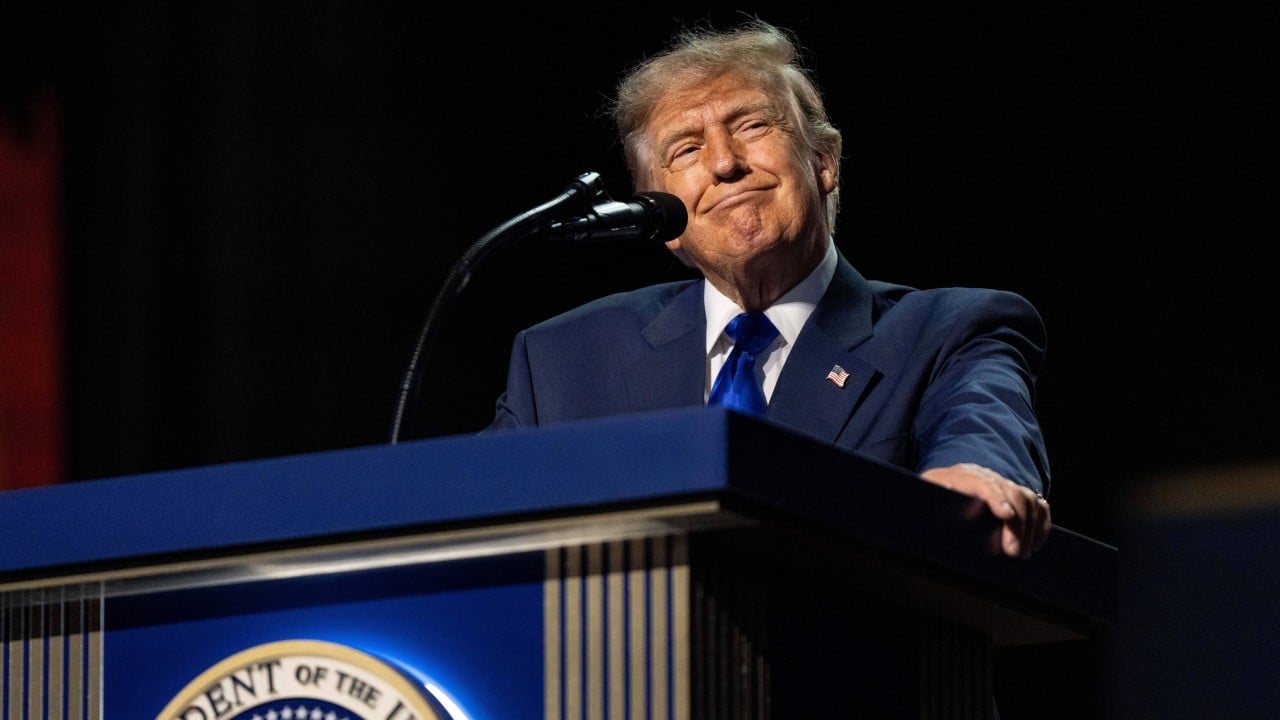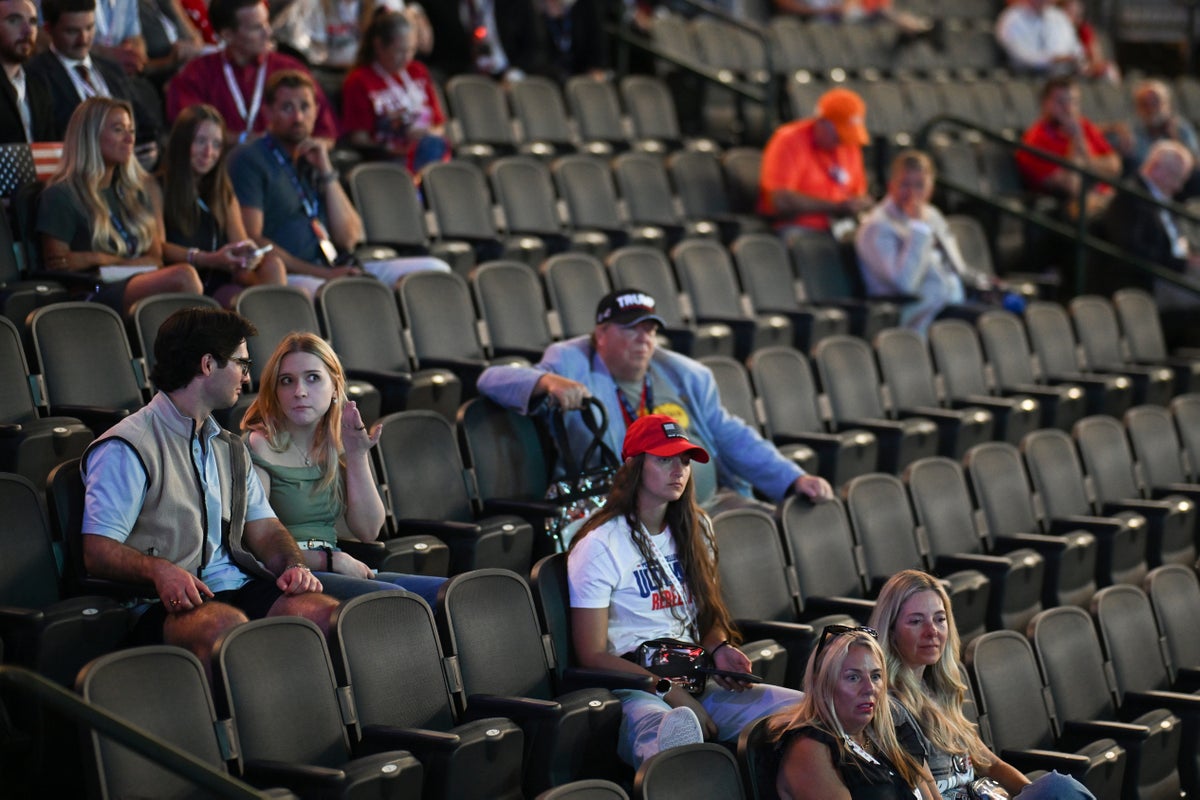
The media elite spent hours dissecting the empty rows. They pointed to the wide-angle camera shots, the pockets of blue chairs visible through the telephoto lens, and the audio glitches that briefly cut the microphone feed. They called it a disaster. They called it a stumble. They wrote their standard, formulaic post-mortems about waning momentum and operational chaos.
They completely missed the point. If you found value in this article, you should read: this related article.
I have spent decades watching political productions, corporate roadshows, and stadium-sized public relations campaigns burn through hundreds of millions of dollars. I have seen packed arenas where nobody bought a product, and I have seen half-empty auditoriums that shifted national policy overnight. The conventional obsession with raw ticket sales and wall-to-wall bodies is a relic of twentieth-century mass media thinking. In the modern attention economy, physical attendance at a rally is a vanity metric. It tells you nothing about conversion, nothing about cultural penetration, and nothing about power.
Let us dismantle the lazy consensus. For another perspective on this story, refer to the latest coverage from NBC News.
The Metrics Trap That Kills Modern Strategy
Every political strategist and corporate communications director is trained to worship at the altar of the capacity crowd. If every seat is filled, the event is a success. If a single section is tarped off, the campaign is in terminal decline. This is amateur hour.
Look at what actually happens when a speaker stands in front of a sprawling arena with visible breathing room. The visual signals raw authenticity. It strips away the sterile, manufactured perfection of a arena concert. When an event is over-produced to the point of suffocating density, modern audiences smell the artifice immediately. They assume the tickets were bought by super PACs, the crowd was bussed in, and the enthusiasm is synthetic.
A room with empty seats tells a different story. It says the organizers did not waste six figures papering the house with local high school bands and paid extras just to satisfy the vanity of a television director. More importantly, it shifts the battleground entirely away from the physical venue and onto the digital screen.
Nobody watches a political speech live in an arena anymore. They watch the vertical cuts on TikTok. They watch the thirty-second compilation clips on X. They parse the gaffes, the ad-libs, and the technical glitches through algorithmic feeds that reach tens of millions of devices while the main event is still happening.
I watched the audio glitch happen live. The mainstream coverage treated it like a fatal operational flaw. But in the ecosystem of modern outrage and attention harvesting, a technical hiccup is pure gold. It breaks the hypnotic monotony of a standard stump speech. It forces the viewer to lean in. It generates instantaneous meme material. A smooth, flawless, corporate-approved presentation is forgettable. A messy, unpredictable spectacle with audio dropouts and visible empty seats gets shared six million times before midnight.
The Economics of Scale Are Dead
Let us look at the underlying mechanics of modern mass gatherings. Renting an arena for a major rally costs a fortune in security, staging, and union labor. The old playbook required filling every square inch to justify the balance sheet.
That playbook expired around the time social media algorithms replaced evening news broadcasts.
Imagine a scenario where a candidate books a ten-thousand-seat venue, fills seventy percent of it, and relies entirely on organic digital capture. The production cost remains static, but the earned media value—driven by critics whining about empty seats and technical stumbles—multiplies exponentially. The opposition media does the heavy lifting for free. They scream about the flaws, which alerts the disengaged voter to tune in and see what the fuss is about.
The critics are falling for a psychological trap. They think they are humiliating the speaker by pointing out a few vacant rows in the upper deck. In reality, they are amplifying the exact message they want to suppress, wrapped in a controversy that guarantees algorithmic distribution.
If you want to understand why traditional media commentary on these events is so consistently wrong, look at their incentives. Journalists need a narrative of decline because decline is easy to write. It requires no original thought. You take the template from the last election cycle, swap out the names, and insert observations about crowd sizes.
I have watched companies deploy the exact same flawed logic when launching new product lines. They panic over a slow opening weekend in a physical retail store, completely ignoring the fact that their digital waitlist is crashing their servers. They confuse the physical container with the actual market.
How to Weaponize the Flaws
If you are running any kind of large-scale public operation today, stop obsessing over the optics of perfection. Perfection is boring, and boring is invisible.
- Abandon the papering strategy. Do not waste budget filling seats with warm bodies just to appease legacy reporters who measure success with a tape measure. Let the room breathe.
- Embrace the friction. Technical glitches are not crises; they are attention spikes. When the microphone cuts out or the teleprompter stalls, the audience stops scrolling and starts watching. That is your window to deliver the core message without a filter.
- Design for the vertical screen. Every major event must be engineered for the fifteen-second mobile clip, not the three-hour live stream. If the room looks a little sparse on the wide shot, it matters zero percent if the tight shot captures a raw, unscripted moment that dominates social feeds for three days.
The critics will keep writing their predictable post-mortems about empty seats and technical glitches. Let them. They are fighting the last war while the rest of the world moves past them.
Next time you see a headline lamenting a half-empty room, ask yourself who is actually driving the conversation. The people sitting in the third row eating popcorn, or the millions of people watching the mess unfold on their phones.