The cobblestones of Red Square have a memory. For decades, they have groaned under the weight of T-14 Armata tanks and the thunderous vibration of Yars intercontinental ballistic missile launchers. It is a specific kind of sound—a low-frequency growl that settles in the marrow of your bones, designed to remind the world that the bear still has teeth. But this year, the silence was louder than the engines.
An old man stands near the GUM department store, his chest heavy with Soviet-era medals that clink like wind chimes every time he shivers. Let’s call him Mikhail. He remembers the 1985 parade. He remembers when the sheer volume of steel felt like a physical wall protecting the motherland. Today, he squinted against the pale May sun, looking for the familiar silhouettes of modern armor. He saw a single T-34 tank. A relic from 1945. A museum piece.
The gap between the past and the present has never been wider.
Victory Day is not just a holiday in Russia; it is the secular religion of the state. It is the one day where the staggering loss of twenty-seven million lives in World War II is transformed into a narrative of invincibility. Usually, this is achieved through a display of overwhelming force. You show what you have so that people don't ask what you've lost. But when the display cases are empty, the narrative begins to fray at the edges.
The absence of modern battle tanks and long-range missile systems wasn't a scheduling conflict. It was a confession written in diesel fumes and empty space. Across the border, the fields of Donbas have become a graveyard for the very machines that usually preen for the cameras in Moscow. When the metal is being melted by Javelins and drones in the mud of Ukraine, there is nothing left for the parade.
Consider the logistics of a vanishing act. In years past, the flyover would paint the sky in the colors of the tricolor, with Su-57 stealth fighters screaming overhead. This year, the sky remained a haunting, vacant blue. The official reason cited "security concerns" and "weather," but the onlookers know how to read between the lines. They have spent a century learning to hear what isn't being said.
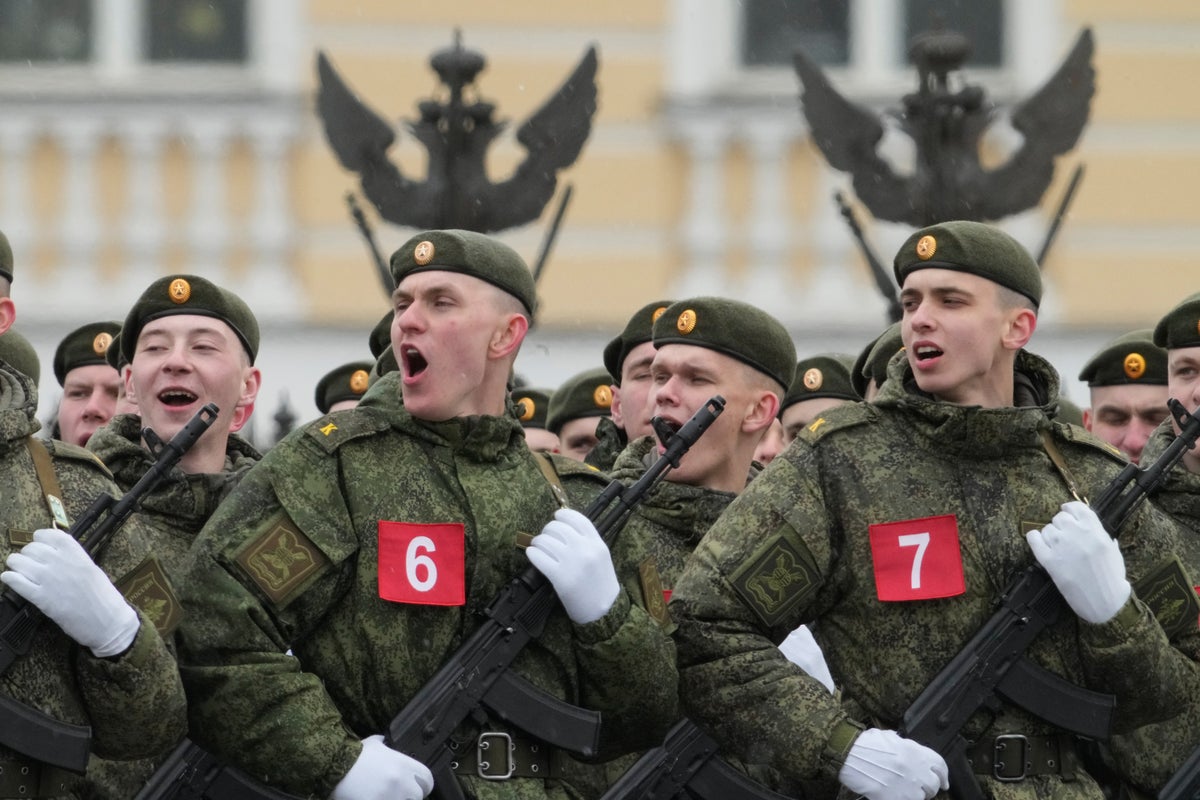
The invisible stakes of this emptiness are psychological. A parade is a contract between a government and its people. The people provide the sons; the government provides the shield. When the shield is missing from the ritual, the contract feels brittle. Mikhail watches the rows of soldiers march past. They look young. Too young. Their boots hit the pavement with rhythmic precision, but they are marching over a void.
The hardware that did show up was telling. Armored cars. Light utility vehicles. The kind of equipment used for internal policing rather than international conquest. It shifted the energy of the event from a global superpower asserting its dominance to a regime making sure its own streets stay quiet. The message changed from "We can take the world" to "We can keep control here."
There is a hollow ring to the speeches when the backdrop is missing its muscle. The rhetoric remains soaring, filled with references to the "Great Patriotic War" and the "denazification" of the modern era, but words are light. Steel is heavy. Without the steel, the words drift away over the Kremlin walls, unanchored.
We often think of power as something calculated in spreadsheets—GDP, troop counts, barrel counts. But power is also a performance. It is the theater of the square. When the lead actors—the tanks that define a nation's military identity—are stuck in the mud or reduced to scrap metal hundreds of miles away, the theater becomes a ghost light.
The families standing along the barricades feel this shift in their guts. They see the T-34 and feel a flicker of pride for their grandfathers, but then they look at the empty space behind it and think of their husbands. They think of the telegrams that haven't arrived and the phone calls that end in static. The "Victory" in Victory Day is starting to feel like a loan that has come due, and the interest is being paid in blood and absence.
It is a strange thing to witness a superpower shrinking in real-time. It doesn't happen with a bang. It happens with a lack of a bang. It happens when the grandest stage in the nation is occupied by a single, lonely tank from a war that ended eighty years ago. That tank is a symbol of endurance, yes, but it is also a stark reminder that the present has been cannibalized by the past.
The parade ended earlier than usual. The crowds dispersed into the metro stations, the red flags fluttering in the wake of the buses. The cobblestones were left alone again. No oil stains from modern gear. No treads marks from the latest innovations. Just the ancient stones and the lingering echo of a strength that used to be there.
Mikhail turned away from the square, his medals silent now. He walked slowly, a small figure against the massive red walls. Behind him, the wind picked up a piece of discarded candy wrapper and swirled it across the spot where a T-14 should have been standing.
The void remained.