The bell rings at St. Teresa of Calcutta Elementary School, east of Edmonton's downtown core, marking the start of another morning where many children face an impossible hurdle. Long before arithmetic or grammar enters the equation, their primary obstacle is an empty stomach. While municipal leaders debate broad economic strategies, a quieter, more urgent survival mechanism has taken root in the city's inner-city neighborhoods. Edmonton Meals on Wheels, an organization historically synonymous with senior support, has stepped past traditional boundaries to pilot a school lunch initiative.
The program currently services a single institution four days a week, filling a gap that school boards and provincial budgets have repeatedly failed to bridge. Yet, viewing this collaboration as a heartwarming community success story misses the harsher reality underneath. When a venerable charity designed for homebound adults must pivot to feed school-aged children, it signals a systemic breakdown in child poverty intervention.
Food insecurity in Alberta urban centers has evolved past a temporary logistical glitch into a permanent structural fixture. Rising housing costs and tightening household budgets have squeezed families until basic nutrition becomes an optional expense. Children sitting in classrooms near Boyle Street cannot absorb a curriculum while dealing with chronic hunger. Educators have long noted that cognitive retention, behavioral regulation, and emotional participation plummet when nutritional needs go unmet.
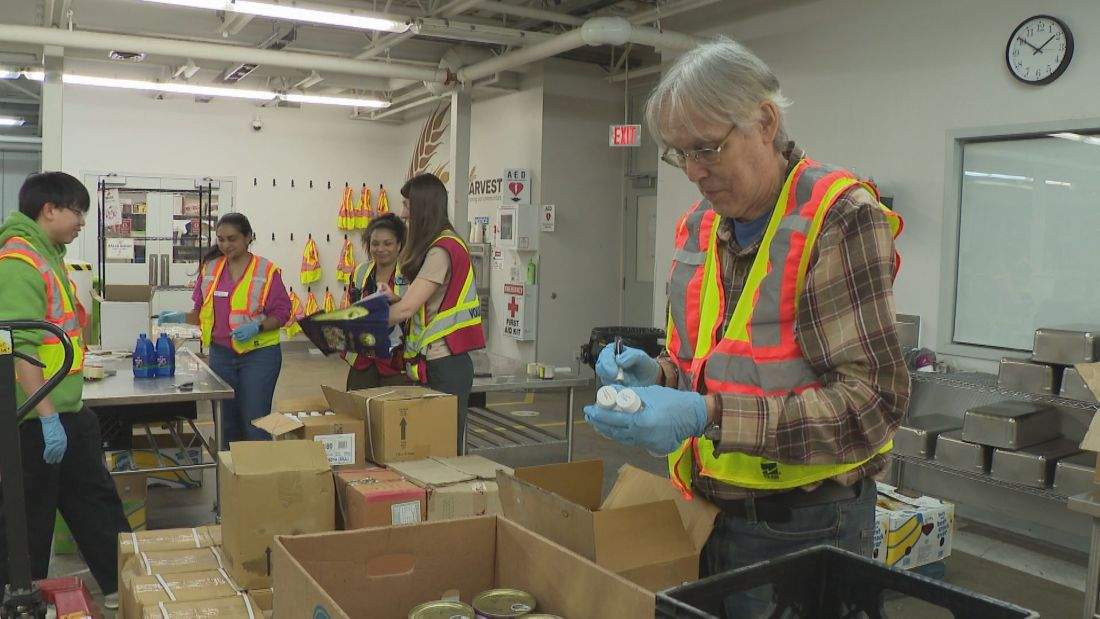
The operational mechanics of scaling such a program reveal the strain placed on non-profit infrastructure. Delivering hot, balanced meals directly to classrooms requires commercial kitchen capacity, specialized transport, and an army of reliable volunteers. Edmonton Meals on Wheels possesses the institutional know-how, but charity is a fragile substitute for public policy. Relying on donor-funded models to solve systematic malnourishment creates an invisible ceiling on who gets fed and for how long.
Expansion plans are already underway on paper, driven by sheer demand rather than secure long-term funding streams. Organizers speak openly about the capacity to scale, but every new school added to the roster stretches logistical lines thinner. Volunteers are hunted down through public appeals, and community donations fluctuate with economic weather patterns.
Fixing student hunger requires moving past temporary charitable Band-Aids toward guaranteed nutritional infrastructure embedded directly into the public education system. Until policy makers treat food security as an essential pillar of pedagogy rather than an extracurricular charity project, organizations like Meals on Wheels will remain the last line of defense against an escalating urban crisis.