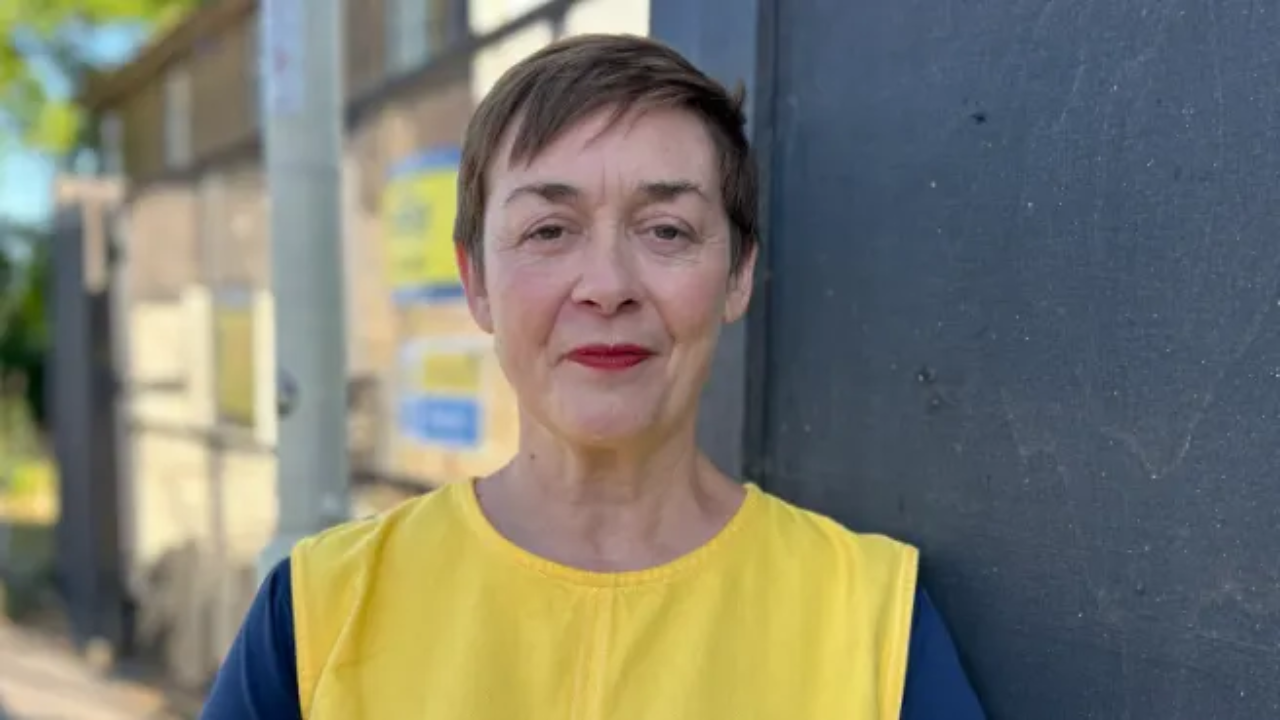
Imagine opening an electric bill and realizing it costs more than your monthly rent. That exact nightmare hit Tulsa resident Raelynn McMurchy when a utility statement totaled $1,373, heavily inflated by a sudden $598 security deposit slapped on after a few late payments. It is a stunning figure that exposes a brutal reality for modern households: utility costs are outpacing inflation, and traditional safety nets are failing everyday people.
When extreme summer heatwaves strike, electricity consumption skyrockets. Air conditioning units run nonstop just to keep indoor temperatures survivable, pushing bills to unprecedented heights. For families already stretched thin by rising housing and grocery costs, a single massive power bill can trigger a downward spiral of debt, late fees, and eventual shutoffs.
The Crushing Cycle of Utility Deposits
Getting slapped with a high security deposit after falling behind on payments is a common practice for major utility providers, but the math rarely makes sense for struggling consumers. When a family misses a payment or two, the power company often demands a hefty cash deposit to "mitigate risk."
The catch is obvious. If a household cannot afford their regular monthly statement, demanding an extra $500 or $600 upfront practically guarantees default. It creates a predatory trap where keeping the lights and air conditioning on forces families to sacrifice basic necessities like food or medical care.
Public Service Company of Oklahoma (PSO), the primary electricity provider for the Tulsa area, has faced intense scrutiny over its rates and collection practices. While a proposed 15 percent base rate hike was eventually negotiated down to roughly 1 percent following pushback from the Oklahoma Attorney General's office, consumers are still seeing massive bills. The culprit isn't just the baseline rate; it is the raw volume of electricity required to combat relentless triple-digit summer temperatures.
High Shutoff Rates and Weak Protections
The situation gets darker when utility companies resort to service disconnections. According to Department of Energy data reviews, PSO has disconnected customers for non-payment at rates significantly higher than the national average. In the Tulsa service area alone, roughly 19,000 customers face power shutoffs every single month.
Unlike some states that explicitly ban utility companies from cutting power during periods of extreme summer heat due to obvious health risks, Oklahoma lacks these protective mandates. Current oversight rules managed by the Oklahoma Corporation Commission permit disconnections as long as the outdoor heat index stays below 101 degrees Fahrenheit.
Consumer advocates argue that threshold is dangerously high. Dangerous indoor heat conditions can build up rapidly long before the outdoor metric hits 101 degrees, putting children, the elderly, and vulnerable residents at severe risk.
Charities and local ministries are left picking up the pieces. Organizations like the Helping Hand Ministry in downtown Tulsa field endless lines of residents clutching disconnection notices. These groups spend thousands of dollars weekly trying to negotiate partial payments with utility giants just to keep families from losing power.
Fighting Back Against Rising Energy Costs
Frustrated by the system, McMurchy turned her personal frustration into collective action by launching a Change.org petition demanding relief and reform from state regulators. Thousands of residents facing similar financial squeezes have chimed in, proving that this is a systemic crisis rather than an isolated incident.
If you are facing an unmanageable utility bill, waiting for the company to show mercy rarely works. You need to take immediate steps to protect your service.
- Contact your provider immediately to ask for deferred payment arrangements or hardship programs before your due date passes.
- Look into local community action agencies or non-profit charities that receive federal Low Income Home Energy Assistance Program (LIHEAP) funds to help clear utility arrears.
- Audit your home for immediate energy hogs, adjust thermostat settings by a few degrees, and seal air leaks to blunt the impact of peak cooling seasons.
The gap between corporate utility profits and household income continues to widen. Until state regulators step in with stronger consumer protections and stricter limits on summer shutoffs, working families will keep carrying the heavy burden of keeping cool.