The tea was likely still warm on a kitchen table somewhere nearby.
In the domestic stillness of a Tuesday night in Edmonton, the mundane rhythms of life—scrolling through a phone, locking the front door, perhaps deciding what to wear for work the next morning—were shattered. It happened at approximately 9:00 PM on a nondescript stretch of Westpole Avenue. One sound. A sharp, mechanical crack that didn't belong to the wind or the distant hum of the North Circular.
When the police arrived, they found a man in his 30s slumped near the pavement. The paramedics did what they are trained to do, their hands moving with frantic, practiced precision under the harsh glow of streetlights and emergency beacons. But some things cannot be mended. By 9:40 PM, the man was pronounced dead.
He became a statistic in that moment. A "fatal shooting." A "victim." A "Metropolitan Police investigation." But to understand the weight of what happened, we have to look past the yellow tape and the sterile language of a police bulletin. We have to look at the hole left behind in the fabric of a neighborhood.
The Anatomy of a Crime Scene
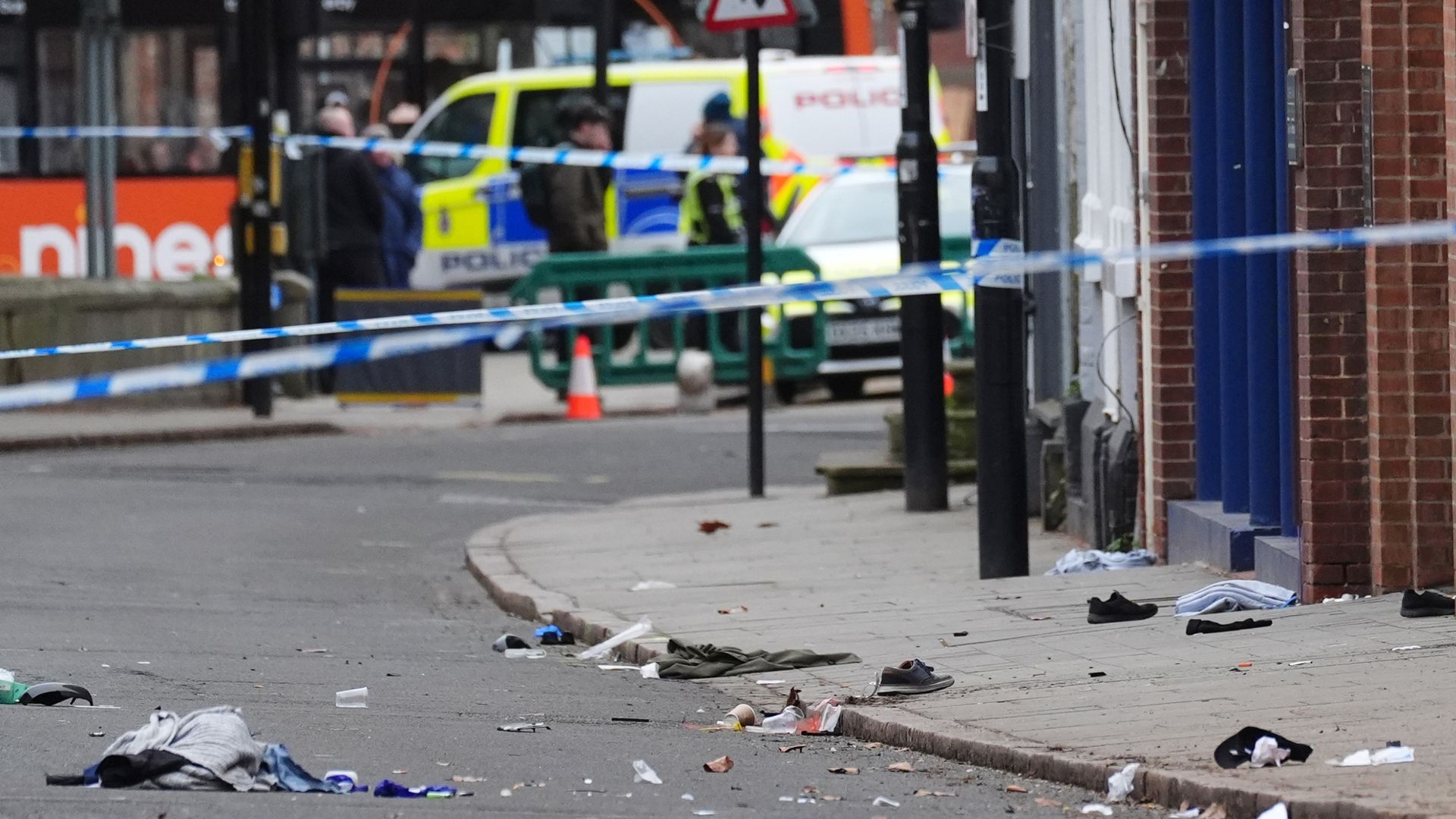
If you have never stood outside a police cordon, it is difficult to describe the specific type of silence that settles over a street. It isn't peaceful. It is heavy. It feels like the air has been sucked out of the block.
Neighbors peer through slats in Venetian blinds. They stand on doorsteps, arms crossed against the evening chill, speaking in hushed tones as if the killer might still be hiding in the shadows of the suburban shrubbery. In Edmonton, a place where families navigate the complexities of London life every day, this isn't just a news story. It is a violation of the unspoken contract we have with our streets: that we should be able to walk them and return home.
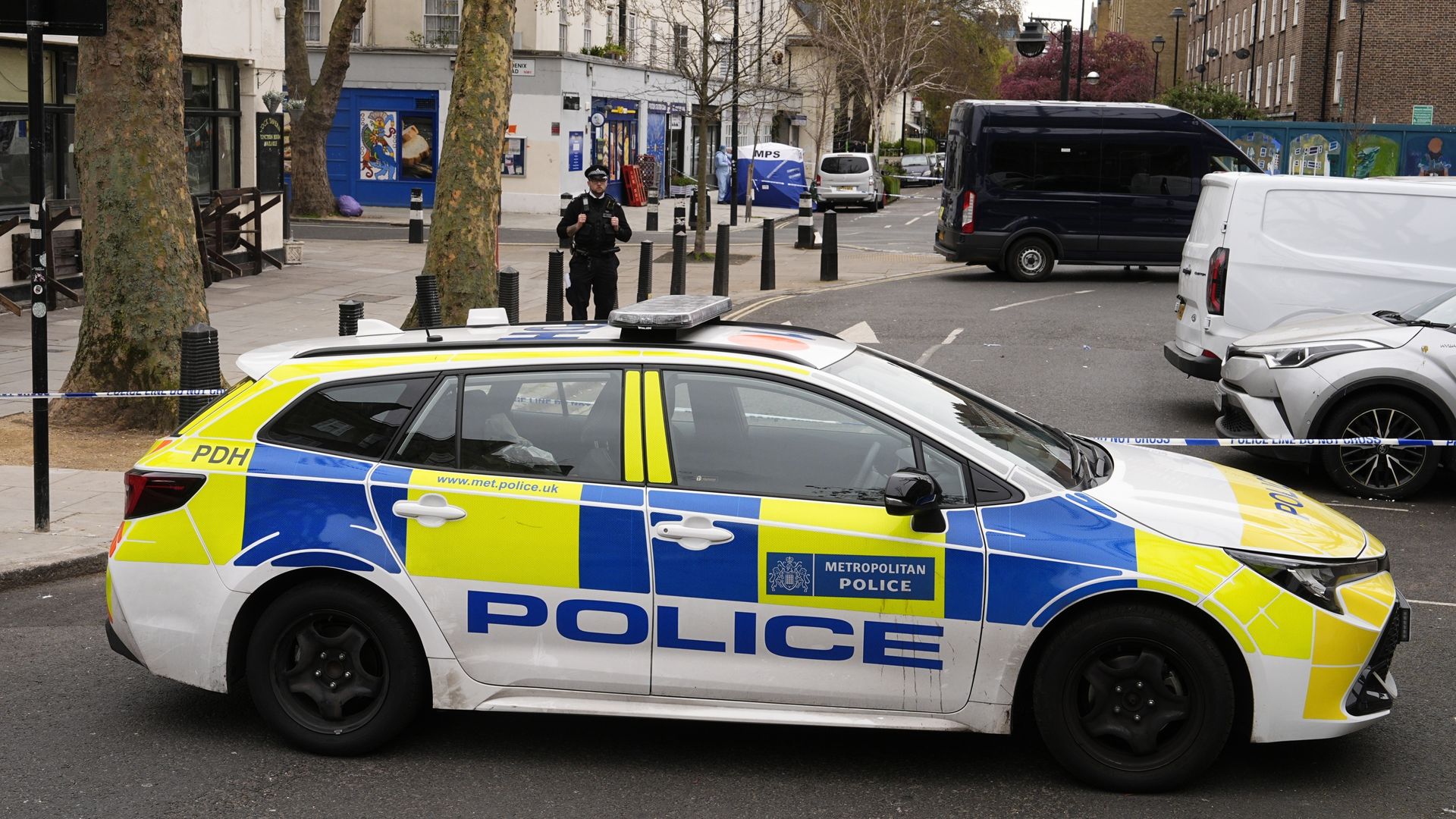
The Metropolitan Police launched a murder inquiry immediately. Specialist crime conditioners and forensic teams in white nylon suits began the slow, agonizing process of grid-searching the asphalt. They look for the tiny things. A spent shell casing. A drop of DNA. A CCTV camera tucked under an eave that might have caught a fleeting glimpse of a shadow moving too fast.
The Invisible Stakes of Urban Violence
We often treat these events as isolated tragedies, but they ripple outward like a stone dropped into a dark pond. Consider the hypothetical life of the man on Westpole Avenue. He had a favorite song. He probably had someone who expected a text message from him that night—someone who is currently sitting in a plastic chair in a hospital waiting room or a police station, feeling the world tilt on its axis.
The cost of a shooting isn't just the loss of life, though that is the primary horror. The cost is the sudden, sharp spike of fear in the mother walking her child to the local primary school the next morning. It is the elderly man who decides he won't go to the corner shop after dark anymore. Violence steals more than lives; it steals the freedom to feel at ease in your own skin, in your own zip code.
Detectives from the Specialist Crime Command are now tasked with stitching together the final hours of this man’s life. They are asking the questions that no one wants to answer: Who did he speak to? Who was he avoiding? Was this a targeted execution or a tragic case of being in the wrong place at the wrong time?
The Hunt for a Ghost
As of this moment, no arrests have been made. The killer is a ghost, somewhere in the city, perhaps watching the same news reports we are.
This is the most dangerous phase of an investigation. The trail is fresh, but the adrenaline is high. The police rely on the "Golden Hour"—those first sixty minutes where witnesses are most likely to remember a specific car model or the way a person ran. But as hours turn into days, memories smudge. People become afraid to speak. The "no grassing" culture of the streets battles against the human instinct for justice.
Detective Chief Inspector Wayne Jolley, leading the hunt, has made the standard plea for information. It sounds routine, but it is a desperate necessity. In a city of nine million people, someone saw the getaway. Someone heard a door slam. Someone noticed a friend or a relative coming home breathless, smelling of cordite and panic.
The Reality of the North London Corridor
To understand why this shooting matters, you have to understand the geography of London’s tension. Edmonton sits in a corner of the city that has seen its share of headlines. It is a place of immense resilience, yet it is often characterized by the friction of urban density.
When a gun is fired in a residential street like Westpole Avenue, it isn't just a crime; it’s a symptom. It speaks to a flow of illegal firearms that bypasses even the strictest border controls. It speaks to a shadow economy where disputes are settled with lead rather than words.
Statistics tell us that gun crime in London fluctuates, but for the residents of N21 and N18, the numbers are irrelevant. The only number that matters is "one." One man dead. One family destroyed. One neighborhood left wondering if they are next.
Beyond the Headlines
We read these stories on our commutes, scrolling past them to check the weather or the football scores. We become numb to the cadence of the reporting.
Man shot dead.
Police appeal for witnesses.
Next of kin informed.
But if we stop for a second, we can feel the jagged edges of the truth. This was a man who likely had a set of keys in his pocket—keys to a front door he will never open again. He had a phone filled with photos and half-finished conversations.
The investigation will continue. Forensic scientists will peer through microscopes. Detectives will knock on doors until their knuckles are sore. Eventually, there may be an arrest, a trial, and a sentencing. The legal system will attempt to balance the scales, but the scales of a human life are never truly balanced.
The blue lights eventually fade. The white suits pack up their kits. The yellow tape is cut down and stuffed into a bin. But the stain remains. Not on the pavement—the rain takes care of that—but in the collective memory of the street.
The silence on Westpole Avenue isn't just the absence of noise. It is the presence of a question that the city hasn't yet figured out how to answer.
Somewhere in London, a door is still unlocked, waiting for a man who isn't coming home.