Maps lie about distance. They flatten oceans into blue parchment, turning vast, breathing bodies of water into static ink.
Standing on a sun-bleached pier in Havana, looking north toward a horizon that hides everything, you feel the true weight of geography. Thousands of miles away, across time zones and language barriers, another coastline hums with a different kind of energy. Beijing. Two different worlds, spun from distinct histories, yet bound by a vocabulary of endurance that few outsiders truly grasp.
When a high-ranking official steps to a microphone and calls two distant nations good brothers, the phrase sounds diplomatic. Safe. Scripted. But words whispered in grand halls often carry echoes that ripple through ordinary kitchens, quiet docks, and empty storefronts.
Consider what happens next.
History is rarely made by treaties alone. It is built by necessity.
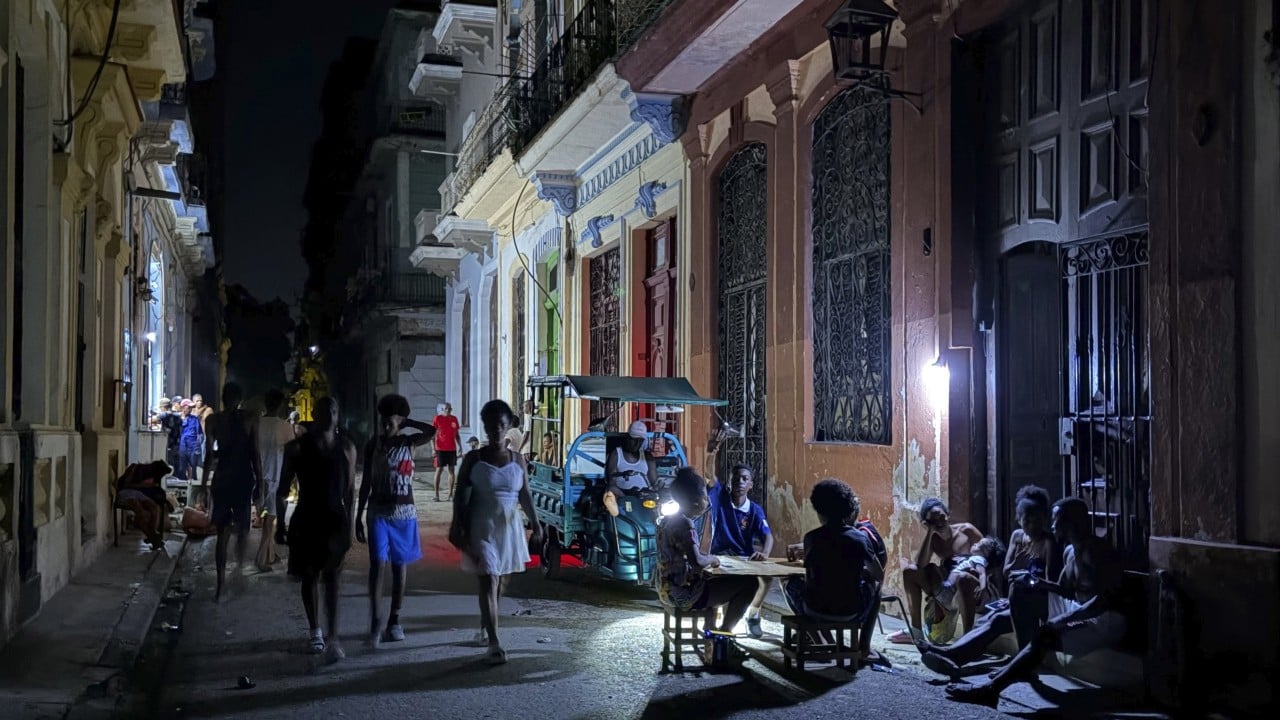
For decades, Cuba has lived under a unique atmospheric pressure. An island caught in a tightening economic vise, where every gallon of fuel, every bushel of grain, and every roll of medical gauze carries the invisible tax of isolation. You can feel this pressure in the rhythm of daily life. The patience required to wait for a bus that may never come. The ingenuity of mechanics keeping 1950s sedans alive with salvaged parts and sheer stubborn will. It is a masterclass in survival.
Across the globe, China mastered a different kind of endurance. Rising from the ashes of structural poverty to become an industrial titan, it rewrote the physics of global commerce. Yet, growth brings its own vulnerabilities. Secure trade routes, raw materials, and diplomatic anchors in the Western Hemisphere become precious currency in a competitive world order.
When these two trajectories intersect, they are not merely shaking hands for the cameras. They are offering each other something essential.
Think of it as an unwritten exchange. On one side, a nation seeking reliable allies and strategic footprints in a region long claimed as someone else's backyard. On the other side, a nation gasping for breathing room, searching for trade lines, credit, and industrial lifelines that do not come with the suffocating conditions imposed by western capitals.
We have seen this script before. During the Cold War, the script was written in red ink and nuclear standoffs. The stakes were absolute. Today, the theater has shifted from missiles to supply chains, from ideology to infrastructure.
To understand the weight of this solidarity, look at the port facilities, the digital networks, and the quiet shipments arriving under the cover of dusk. These are not abstract geopolitical chess pieces. They are concrete pillars holding up an economy that refuses to collapse.
Skepticism is natural here. Critics point to debt traps and ideological theater. They argue that affection between states is a transactional illusion, a temporary alignment of convenience. And they are not entirely wrong. Nations do not have friends; they have interests.
Yet, reducing international relations to cold calculus misses the human core. For a Cuban student sitting in a classroom lit by flickering fluorescent tubes, learning Mandarin because it represents the language of tomorrow's opportunity, the bond is not abstract. For a Beijing engineer overseeing port logistics in the Caribbean, far from home and missing the taste of home cooking, the connection is real.
Geopolitics is simply millions of individual human stories colliding on a grand scale.
The solidarity declared in official statements is a shield. A way to say to the rest of the world: We are not alone. In a global system dominated by superpowers that can rewrite local economies with a single stroke of a pen, finding someone willing to stand next to you in the rain is worth more than gold.
The horizon in Havana remains hazy. The economic tides show no sign of softening. But across the oceans, lines of credit remain open, cargo ships cut through the dark water, and the quiet architecture of a new alignment continues to rise, brick by heavy brick.
:max_bytes(150000):strip_icc()/ar-American-Cheese-taste-test-horizon-4x3-54cc339550cd44b9a818c17bdfd5428d.jpg)