The Cold Air of Islamabad
In a small, dimly lit tea shop in the heart of Islamabad, the steam from a chipped ceramic cup rises and vanishes into the stale air. A retired civil servant, his fingers stained with the ink of forty years of bureaucracy, stares at a television screen flickering with news of failed talks half a world away. To the analysts in Washington or the strategists in Tehran, the collapse of a ceasefire negotiation is a chess move—a piece captured, a gambit declined. But here, on the ground in Pakistan, it feels like the sudden drop in pressure before a storm.
When the diplomatic channels between the United States and Iran go quiet, the silence isn't empty. It is heavy. It is a silence that carries the weight of thousands of miles of shared borders and the fragile stability of a region that has forgotten what a decade of peace feels like.
The Neighbor Who Cannot Move
Imagine living in a house where the two strongest men on the block are constantly brawling in your front yard. You can't leave; your roots go deep into the soil. You can't take a side, because one man holds your electricity bill and the other controls your water. This is the reality of Pakistan’s geography.
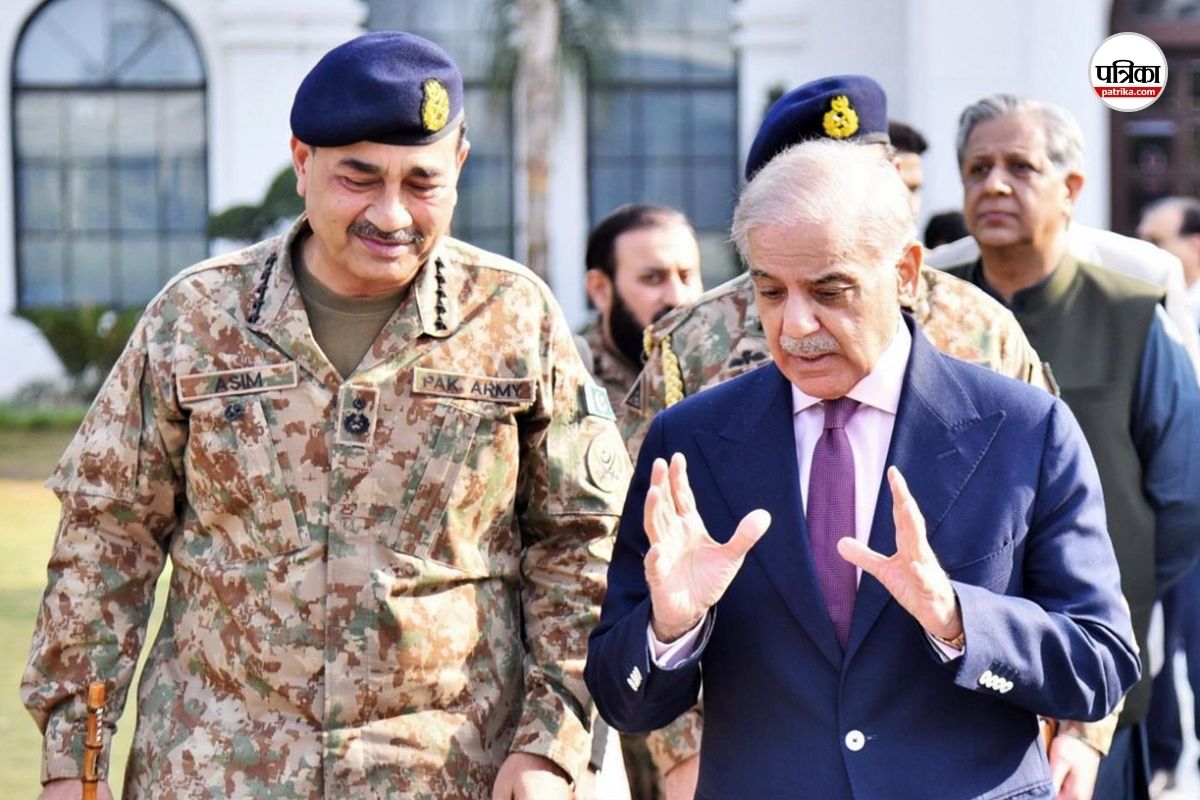
The recent failure to secure a meaningful ceasefire or a de-escalation roadmap between the U.S. and Iran isn't just a headline for the Pakistani government. It is a direct threat to the kitchen tables of Peshawar and the industrial hubs of Karachi. Pakistan’s reaction wasn't just a formal statement of concern; it was a plea for breathing room.
The Foreign Office issued its response with the careful precision of a tightrope walker. They spoke of "grave concern" and the "necessity of regional stability." Behind those sanitized words lies a desperate math. Pakistan shares a roughly 900-kilometer border with Iran. This isn't just a line on a map. It is a porous, rugged stretch of Earth where trade, insurgency, and energy needs collide every single day.
The Ghost of the Pipeline
For years, the Iran-Pakistan gas pipeline has been the Great Hope and the Great Ghost of the region. Pakistan needs energy. Its factories face rolling blackouts; its citizens endure summers that melt the asphalt on the roads. Iran has the gas. The solution seems as simple as a straight line.
But every time a diplomat in Washington tightens a sanction or a talk in a European capital falls apart, the "Peace Pipeline" moves further into the realm of fantasy. Pakistan finds itself caught in a financial pincer movement. If they build the pipeline, they risk the wrath of U.S. sanctions that could decapitate their fragile banking system. If they don't, they remain starved of the power needed to keep their economy from flatlining.
The failure of the latest U.S.-Iran dialogue means the status quo remains locked in ice. For the Pakistani laborer, this means the price of fuel stays high, the lights stay off, and the future remains an expensive uncertainty.
Beyond the Boardrooms
We often talk about geopolitics as if it’s a game of Risk played by men in suits. We forget the human geography. When tensions flare between Tehran and the West, the border at Taftan becomes a barometer of human misery.
Consider the traders. Thousands of small-scale entrepreneurs depend on the flow of goods across the Iranian border. When the geopolitical temperature rises, the borders tighten. Security cordons thicken. The movement of basic commodities—cooking oil, fruits, textiles—slows to a crawl. In the markets of Quetta, you can track the success or failure of international diplomacy by the price of a bag of Iranian dates.
Then there is the shadow of sectarianism. Pakistan is a beautiful, complex mosaic of faith, but it has scars. Whenever there is a spike in the "Great Game" between the regional powers, those scars tend to itch. The Pakistani state knows that a hot conflict between Iran and its adversaries doesn't stay behind the border. It spills over in the form of ideology, influence, and unrest. Stability in Tehran is, quite literally, a component of domestic peace in Islamabad.
The Art of Saying Nothing While Screaming
The official Pakistani response emphasized the need for a ceasefire and a return to the negotiating table. To the casual observer, it sounded like standard diplomatic boilerplate. But look closer at the timing.
Pakistan is currently navigating a precarious path with the International Monetary Fund (IMF) and seeking to balance its traditional security ties with the West against its geographic reality. By calling for a ceasefire, Pakistan isn't just being a "good neighbor." It is trying to prevent a wildfire from reaching its own fence.
If a full-scale conflict were to erupt, the refugee crisis alone would be enough to break the back of the Pakistani infrastructure. The country is already a host to millions of displaced people from decades of Afghan turmoil. It simply cannot afford another humanitarian corridor opening on its western flank.
The Invisible Stakes
What the headlines won't tell you is that this isn't about "talks" or "deals" in the abstract. It’s about the cost of living. It’s about whether a father in Balochistan can afford to send his son to school or if he has to put him to work because the price of basic goods has doubled due to regional instability.
The failure of these talks represents a missed exit on a highway heading toward a cliff. Pakistan’s reaction was the sound of a passenger reaching for the emergency brake, only to find it's disconnected.
The world looks at the Middle East and South Asia and sees a map of interests. But the map is made of people. It’s made of the fisherman in Gwadar who wonders if the new naval tensions will keep him off the water. It’s made of the student in Lahore who dreams of a global career but fears his passport will become even more of a burden if his country is sucked into another regional proxy war.
The diplomatic dance continues, but the music is discordant. As the U.S. and Iran retreat to their respective corners, Pakistan is left standing in the center of the ring, praying the next round never starts. The statement from Islamabad wasn't a policy paper. It was a heart rate monitor. And right now, the pulse is fast, erratic, and terrified.
The sun sets over the Margalla Hills, casting long, jagged shadows across the capital. In the tea shop, the old man turns off the television. The news hasn't changed, and the silence is louder than before.