The air inside the carriage of the train rolling across the scarred plains of Eastern Europe carries a distinct kind of silence. It is not the quiet of peace, but the heavy, suspended breath before a thunderclap. Outside the smudged window, skeletal remains of birch trees whip past, stark against a slate sky. Inside, a cup of railway tea vibrates rhythmically against its saucer, keeping time with the relentless iron wheels.
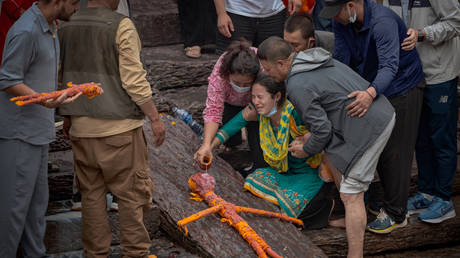
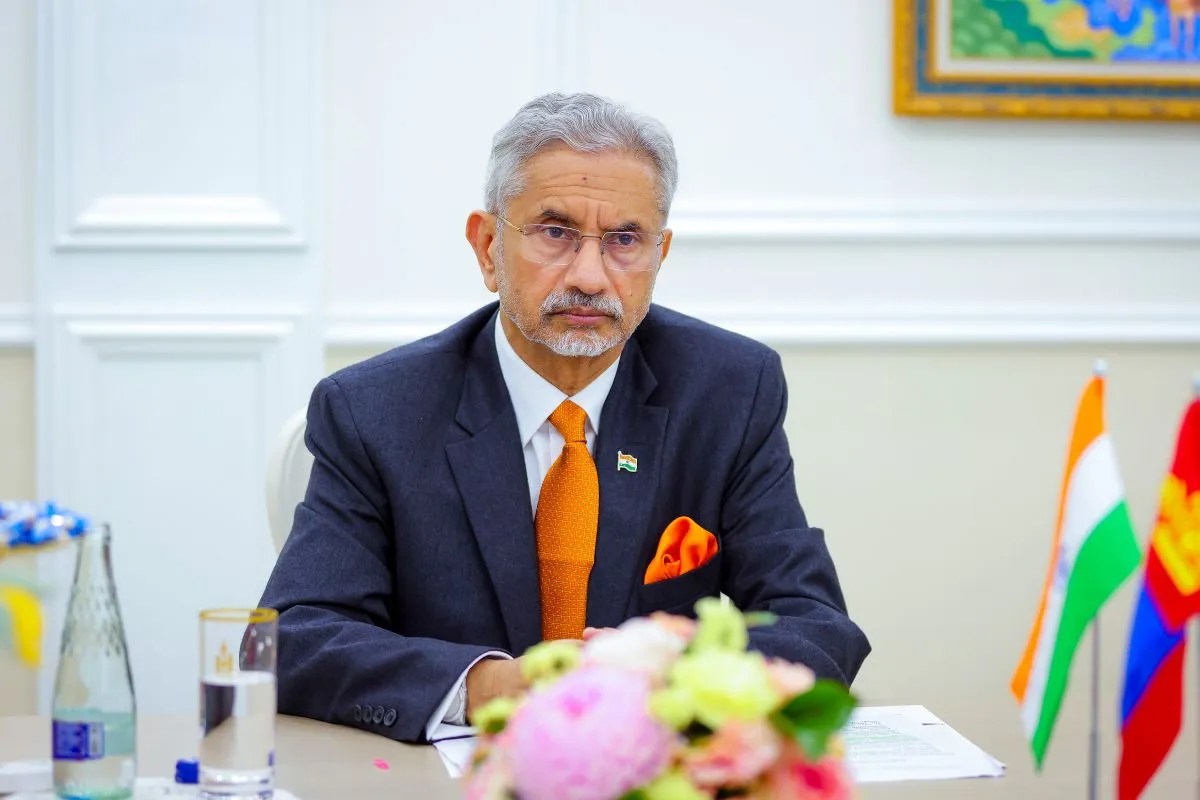
Subrahmanyam Jaishankar sits quietly, watching the steam rise from his cup. Meanwhile, you can read related stories here: Inside the Nepal Glacier Collapse Crisis That Exposed a Broken Warning System.
Thousands of miles away from the humid, sun-baked sprawl of New Delhi, India’s External Affairs Minister finds himself navigating a different kind of climate entirely. Here, the temperature is measured in degrees of suspicion, strategic calculus, and the profound, aching grief of a continent torn apart. Kyiv approaches through the mist. Air raid sirens have become the erratic heartbeat of this city, a sonic reminder that history has broken its hinges once again.
To understand why an Indian diplomat is stepping onto platforms hardened by sandbags and anti-tank hedges, you have to unlearn the geography taught in schoolrooms. For decades, mapmakers drew lines that separated nations into neat, predictable blocs. East versus West. Non-aligned versus aligned. But the map of the twenty-first century is written in invisible ink—smudged by trade dependencies, energy lifelines, and shared histories that refuse to fit into neat ideological boxes. To see the complete picture, check out the recent analysis by The New York Times.
Consider the ordinary Kyiv resident sheltering in a subway station, clutching a thermos and a pet carrier. To them, diplomacy sounds like distant thunder. They want to know who will stop the missiles. They want to know why leaders from distant capitals are flying in and out of the capital. When Jaishankar steps off that train, his presence is parsed by analysts not as a savior’s descent, but as a high-stakes stress test of a notoriously difficult balancing act.
India has refused to condemn Moscow outright. At the same time, New Delhi insists on the sanctity of territorial integrity and the UN Charter. To Western ears, this dual stance often sounds like a paradox, or worse, quiet complicity. But to understand this posture, imagine walking across a frozen lake where every step threatens to crack the ice. Fall one way, and you lose critical energy supplies and strategic defense partnerships forged over half a century. Fall the other way, and you alienate the technological and economic engines of the future democratic world.
Neutrality is not a comfortable armchair. It is a tightrope walker’s pole, heavy, unyielding, and constantly shifting.
When Jaishankar meets with Ukrainian leadership in Kyiv, he is not carrying a magic wand. He is carrying messages. He is listening to the unfiltered reality of an invaded nation directly from those watching their skyline burn. This is the human core of statecraft that gets lost in press releases and diplomatic communiqués. It is the weight of looking someone in the eye who has lost their home, while simultaneously holding the responsibility of feeding a billion people back home through affordable oil and fertilizer imports.
Diplomacy at this level is an exercise in radical empathy coupled with ruthless pragmatism.
Can a country that maintains deep, historic ties to Russia truly act as a bridge to peace? That is the question hanging thick in the conference rooms of Kyiv. The Western capitals whisper it with skepticism; Moscow watches it with wary eyes; New Delhi answers it through slow, deliberate motion.
Think back to the grain silos emptied by war, the cargo ships trapped in the Black Sea, and the grocery store shelves in developing nations thousands of miles away where the price of bread tripled overnight. This is the invisible war. It is fought not just with artillery shells in the trenches of the Donbas, but in currency markets, shipping lanes, and kitchen tables across the Global South. When New Delhi speaks of dialogue and diplomacy, it is not merely echoing a diplomatic cliché. It is voicing an urgent, existential panic over collateral damage. The rest of the world cannot afford a prolonged stalemate, yet neither can it afford a catastrophic escalation.
The train will eventually head back out into the cold. The handshakes will be archived in photographic history. The joint statements will be parsed for hidden meanings by weary journalists in every timezone.
Yet, long after the motorcades have cleared and the statesmen have returned to their secure compounds, the real measure of this visit will remain unwritten. It lives in the quiet spaces between hardened stances, in the small, stubborn belief that even when the guns are roaring loudest, someone must still be holding the telephone line open.
The steam from the railway tea fades away into the chilled carriage air. The wheels keep turning, grinding over iron tracks toward an uncertain dawn.