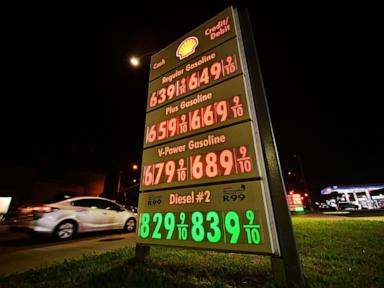
You can pump all the crude oil you want out of the ground, but it won't run a semi-truck or a cargo ship. That basic reality is why global diesel markets have hit a breaking point. When fuel benchmarks double and retail prices smash historical ceilings, everybody pays attention.
Yet most mainstream coverage misses the mechanics of why this specific shortage hurts so badly. It is not just about oil barrels or geopolitical headlines. It is a structural failure where refining capacity and trade chokepoints are collapsing simultaneously. Don't forget to check out our recent post on this related article.
The Double-Barrel Crisis Hitting Refineries
Two distinct conflicts are tearing through the international fuel supply. In Eastern Europe, relentless drone strikes target major petroleum processing plants, cutting Russian diesel output by roughly thirty percent. Moscow responded by slapping extended export bans on fuel producers to keep domestic trucks and military machinery supplied.
Thousands of miles away, the Middle East faces an entirely different bottleneck. Regional conflict and tanker attacks have throttled vital shipments trying to clear the Strait of Hormuz. Normally, refiners in the Persian Gulf supply a massive share of the world's refined products. When those routes shut down, replacement barrels simply do not exist. If you want more about the background of this, Business Insider provides an in-depth summary.
Crude reserves cannot save a market suffering from a lack of finished product. You cannot put raw petroleum straight into a diesel engine. You need working refineries to crack it, and you need open shipping lanes to move it.
Why Small Trucking Fleets Bear the Brutal Weight
The shock waves move quickly from commodity markets down to everyday logistics. Large logistics conglomerates often manage fuel price volatility through complex financial hedges and multi-year contracts. Independent operators and small fleet owners have no such cushion.
Fuel surcharges take weeks or months to adjust, but you pay for diesel at the pump the exact second you fill your tanks. Smaller carriers face an immediate cash flow crisis. They buy expensive fuel today and wait thirty days or more to get reimbursed by shippers. That mismatch forces many independent truckers out of business entirely, concentrating market share among massive operators while squeezing available freight capacity.
Farmers and agricultural haulers feel an identical squeeze. Tractors, combines, and refrigerated transport trucks run almost exclusively on diesel. When fuel costs spike during harvest season, the extra expense gets baked directly into food prices at the grocery store.
Strategic Reserves Are Just a Band-Aid
Governments always scramble when fuel prices surge. International energy agencies routinely authorize emergency releases from strategic petroleum reserves to calm nervous markets.
Releasing millions of barrels of crude helps headline figures, but it fails to solve the root problem. Pumping more oil into a system with damaged refineries and blocked maritime channels is like throwing extra water at a house fire while the hose is cut. Strategic reserves buy temporary breathing room, but they cannot manufacture new refining capacity overnight.
What Smart Procurement Teams Are Doing Differently
If you manage logistics, supply chain procurement, or heavy industrial transport, hoping for prices to drop back to historical averages is a losing strategy. You have to change how you operate.
- Audit your fuel surcharge mechanisms: Review contract structures to shorten reimbursement windows so cash flow does not dry up during sudden market spikes.
- Model alternative supply routes: Diversify your geographic sourcing rather than relying on single-origin fuel contracts that remain vulnerable to localized regional disruptions.
- Prioritize asset efficiency: Route optimization and equipment upgrades matter more than ever because newer engines squeeze extra miles out of every expensive gallon.
The underlying vulnerabilities in global energy infrastructure are not going away anytime soon. Treat high fuel volatility as the baseline operating environment, restructure your contracts accordingly, and stop waiting for relief that the physical supply chain cannot deliver.