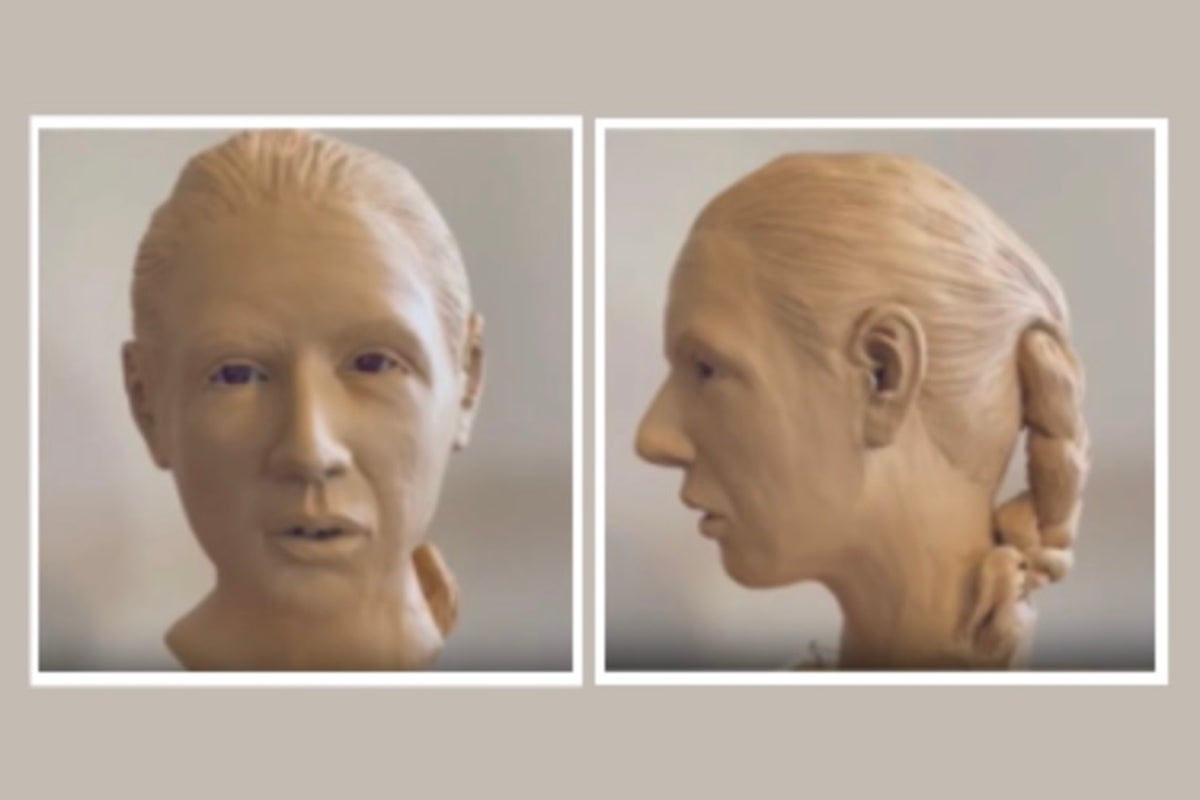
The media is framing the recent identification of a Delaware Jane Doe as a triumphant victory for modern genetic genealogy. Headlines scream about bones found in a Wilmington park fifteen years ago finally being matched to a woman who died in 1907. It sounds like a ghost story solved by high-tech magic. It is not. It is a glaring spotlight on institutional neglect, compromised resting places, and a twenty-year trail of dropped investigative balls.
Let us strip away the forensic romance. The remains belonged to Hannah Graham Kleitz, who passed away at age twenty-nine from a medical illness more than a century ago. Her skeleton did not wander into Sellers Park on its own. Her mausoleum at Riverview Cemetery was broken into and desecrated in 2002. Sometime around then, human remains were stolen or scattered from her crypt. The police department had the 2002 cemetery desecration report on file. They had skeletal remains dumped in a park in 2011. It took until 2026 for someone to connect the dots because the default state of cold case management is waiting for technology to do the thinking for human beings.
We need to stop praising DNA databases for cleaning up messes that local authorities ignored for decades. Investigative genetic genealogy is a powerful tool, but treating it like a miracle cure distracts from the operational failures that allowed a robbed grave to remain disconnected from a John Doe case for fifteen years.
The Forensic Illusion
When labs like Othram extract single nucleotide polymorphism profiles from degraded bones, tech journalists lose their minds. They write breathless pieces about science pulling secrets from the grave. This romanticizes the process while obscuring the administrative laziness preceding it.
Imagine a scenario where a police department cross-references local felony property crimes and cemetery vandalism reports against incoming unidentified remains within the same county jurisdiction. It sounds radical, but it is called basic police work. In the Kleitz case, a relative eventually walked into a police station and connected the family mausoleum violation to the ongoing mystery. Think about that. The breakthrough did not come from an algorithmic genius crunching familial DNA trees in isolation; it came from basic human testimony that police failed to proactively solicit or cross-index when the bones were first dragged out of a wooded park in 2011.
We have created an industry that celebrates the rescue of a cold case while ignoring the fact that the case was only cold because nobody bothered to look backward into local property crimes.
The Dead Silence on Accountability
The most glaring omission in the coverage of the Kleitz identification is the complete absence of accountability for the 2002 grave robber. Police announced with great fanfare that Hannah has been returned to her rightful resting place, wrapped up with quotes from local funeral homes and masonry companies. Everyone gets a heartwarming photo op at the cemetery.
Nobody is talking about the perpetrator.
The statute of limitations or evidentiary decay aside, the public narrative treats the recovery of bones as a finished book when the first chapter—who broke into a secured crypt and hauled skeletal remains into a public park—remains completely unwritten. If someone vandalizes a modern vault today, we call it a felony. If someone desecrated a historic mausoleum twenty years ago, apparently it eventually turns into a feel-good human interest story about DNA sequencing once enough time passes.
We are cheering for identification while abandoning prosecution. That is not justice. That is closure theater.
Reframing Cold Case Metrics
Law enforcement agencies love releasing press highlights every time genetic genealogy puts a name to a skull. It boosts public relations budgets and validates grant applications for high-end sequencing. But we need a complete overhaul of how we evaluate these operations.
- Shift the metric from identification speed to prevention speed: Knowing who someone was fifty years after their grave was robbed does nothing to protect the integrity of local cemeteries.
- Integrate property crime databases with missing persons repositories: Grave desecration is a physical crime against a structure. When bones turn up in a park, the first database queried should not just be CODIS; it should be regional incident reports of structural tampering at local burial sites.
- Stop treating historical desecration as a victimless administrative glitch: Families do not get true peace when their ancestors are bounced between forensic labs and municipal storage lockers because someone smashed a concrete crypt two decades prior.
The Hannah Graham Kleitz story is a testament to what biochemical sequencing can achieve when all else fails. More importantly, it is an indictment of a system that let a desecrated grave sit unlinked to a park-bound skeleton for half a generation while everyone waited for the science to catch up to the paperwork. Stop celebrating the technology that fixed the oversight. Start asking why the oversight happened in the first place.