When a person who speaks truth to power dies under tragic circumstances, the fallout demands answers. The sudden death by suspected suicide of British banker and whistleblower Simon Andriesz has ignited intense political pressure. Lawmakers and advocacy groups are demanding full transparency from financial regulators. If you've been following how institutional systems treat corporate insiders who blow the whistle on powerful figures, this story hits painfully close to home.
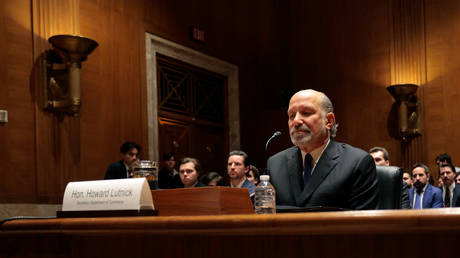
Andriesz wasn't just another name in a corporate filing. He was the insider who helped expose financial ties between the late sex offender Jeffrey Epstein and high-ranking officials, including US Commerce Secretary Howard Lutnick. His disclosures pointed to misconduct stretching back years at BGC Partners. Yet, instead of receiving protection, Andriesz spent years fighting a lonely battle against corporate retaliation and pleading with regulators to listen. Now, his tragic passing has laid bare the deep flaws in how watchdog agencies handle those who dare to speak out.
Inside the Regulatory Failures That Sparked Outrage
The UK's Financial Conduct Authority (FCA) is facing a reckoning. Members of Parliament are pushing hard for an independent investigation into how staff handled Andriesz's disclosures. Whistleblowers take massive professional and personal risks when they step forward. They lose jobs, face isolation, and often shoulder crippling legal costs.
When Andriesz raised alarms about financial misconduct, he expected the system to function as a safeguard. Instead, he claimed the personal consequences were devastating. Critics argue that regulatory bodies are too slow, too opaque, and too insulated to protect ordinary employees who challenge powerful networks. The FCA recently assigned a new board member to review its internal handling of the case, but for many observers, this response feels like too little, too late.
The Epstein Connection and Political Fallout
The ripple effects of Andriesz's disclosures reach far beyond British regulatory halls. His evidence shed light on associations involving Howard Lutnick, dragging elite political and financial circles back into the spotlight. While US authorities previously handed down enforcement actions and penalties tied to related financial misconduct, the human cost of unearthing these networks is only now being fully realized.
Transparency advocates point out a grim pattern. Whenever the Epstein orbit intersects with modern political power, information comes out in jagged, painful increments. Whistleblowers bear the brunt of the shockwave. Protecting the integrity of financial markets requires absolute trust in the watchdogs. Right now, that trust is shattered.
What Needs to Change Right Now
Fixing a broken system starts with holding institutions accountable for how they treat informants. If regulatory watchdogs continue to ignore internal warnings, future whistleblowers will choose silence over destruction.
Lawmakers demanding a probe into the FCA aren't just looking backward. They're trying to build a functional framework where raising valid concerns doesn't ruin a person's life. Real protection means guaranteed legal backing, swift investigations into retaliation, and independent oversight of regulatory agencies themselves.
The questions raised by Simon Andriesz's death won't disappear with a quiet internal review. Public pressure remains high, and the demand for a transparent, independent inquiry grows louder every week. Watchdogs exist to protect the public interest, not to shield institutions from embarrassment. It's time they proved it.