Spirit Airlines has officially filed for Chapter 11 bankruptcy protection. The move follows years of mounting losses, a failed merger with JetBlue, and a debt load that finally became impossible to outrun. While the carrier insists that flights will continue and passengers can still use their credits, the reality is far grimmer for the American traveler. The "Ultra-Low-Cost Carrier" (ULCC) model, which promised to democratize the skies by stripping away every possible comfort for a $40 ticket, is effectively broken. This filing represents the first major U.S. airline bankruptcy since American Airlines in 2011, marking the end of a decade-long experiment in bare-bones aviation.
The Debt Trap and the Pratt and Whitney Crisis
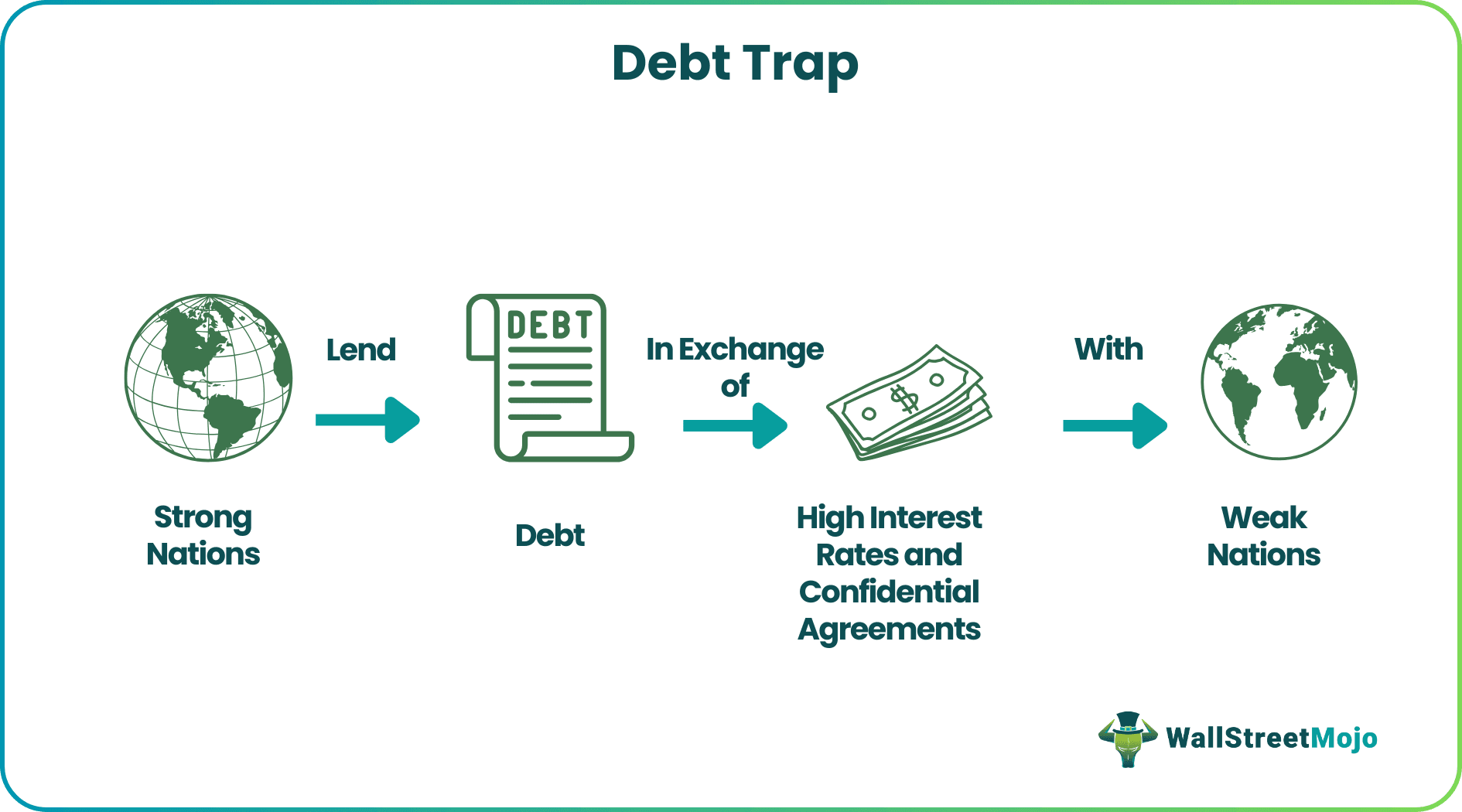
Spirit did not collapse because people stopped flying. It collapsed because the cost of flying them became higher than the revenue generated by those cramped seats. The airline’s balance sheet is currently weighed down by more than $1 billion in loyalty-program-backed debt that was set to mature soon. Negotiating with bondholders became a desperate race against time that Spirit eventually lost.
Beyond the financial engineering, a mechanical nightmare accelerated the downfall. Hundreds of Spirit’s planes were grounded due to a manufacturing defect in the Pratt & Whitney Geared Turbofan (GTF) engines. Microscopic contaminants in the powdered metal used for engine parts meant that entire fleets had to be inspected and repaired years ahead of schedule. For a legacy carrier like Delta, this is an expensive headache. For a lean, high-utilization airline like Spirit, it was a cardiac arrest. When your entire business model relies on keeping planes in the air 12 hours a day to make a tiny margin, having a chunk of your fleet sitting idle in a hangar is a death sentence.
Why the JetBlue Merger Block Was the Final Blow
Earlier this year, a federal judge blocked JetBlue’s $3.8 billion acquisition of Spirit. The Department of Justice argued that the merger would hurt budget-conscious travelers by removing the primary downward pressure on ticket prices. It was a victory for antitrust advocates, but a pyrrhic one for Spirit.
Without the capital infusion and structural reorganization that JetBlue promised, Spirit was left adrift in a market that had fundamentally changed. The DOJ’s logic was that Spirit needed to stay independent to keep prices low. However, you cannot keep prices low if you cannot afford to keep the lights on. By "saving" the low-cost option for consumers, the regulatory intervention may have inadvertently ensured its total disappearance.
The Premium Shift in American Aviation
The industry has moved away from the "yellow bus" philosophy. During the post-pandemic travel surge, a surprising trend emerged. Travelers stopped hunting for the absolute lowest price and started paying for "premium economy" and "extra legroom" products.
United, Delta, and American Airlines pivoted quickly. They introduced "Basic Economy" tiers that matched Spirit’s prices but offered the perceived reliability of a major brand. Simultaneously, they expanded their high-margin first-class and business suites. Spirit was caught in the middle. It couldn't compete with the majors on service, and it could no longer undercut them enough on price to justify the misery of the experience.
The Hidden Cost of the ULCC Model
The budget model relies on ancillary revenue. These are the fees for carry-on bags, seat assignments, and even a bottle of water. In its heyday, Spirit made more money from these fees than from the actual tickets.
But there is a ceiling to how much a customer will pay in hidden costs. When a "cheap" $60 flight turns into a $150 flight after adding a backpack and a checked bag, the consumer starts looking at Southwest or United. The price gap narrowed to the point of irrelevance. Spirit's reputation for poor customer service and frequent delays—often a byproduct of its hyper-efficient, no-buffer scheduling—finally caught up with its brand equity.
The Domino Effect on Secondary Airports
The bankruptcy will be felt most acutely in cities like Fort Lauderdale, Las Vegas, and Orlando. Spirit often dominated these hubs, providing the only direct flights to smaller markets. As the airline trims its fleet and cancels unprofitable routes during the restructuring process, these airports will see a sharp decline in traffic.
When a dominant carrier retreats, ticket prices in those markets don't stay low. History shows that legacy carriers rarely move in to offer the same budget prices; they move in to capture the stranded demand at a premium. The very outcome the DOJ tried to prevent by blocking the merger is now happening via the bankruptcy courts.
Labor Relations and the Pilot Exodus
Spirit’s pilots and flight attendants are now facing an era of extreme uncertainty. For years, Spirit served as a training ground. Pilots would get their hours in the yellow planes before being headhunted by the "Big Three."
With the bankruptcy filing, the leverage has shifted entirely to management. Contracts will likely be renegotiated under the threat of liquidation. This creates a morale crisis that impacts operational safety and reliability. A pilot worried about their pension or their next paycheck is a pilot looking for the exit. If Spirit cannot retain its flight crews, it cannot fulfill its flight schedule, leading to the "cascading cancellations" that have already begun to frustrate travelers this week.
The Mirage of Survival
Is Spirit actually "saved"? The term is used loosely in financial circles. A Chapter 11 filing allows a company to keep operating while it sheds its obligations. It is a legal eraser for bad decisions.
However, the fundamental problem remains. The cost of fuel, labor, and maintenance is rising, while the American consumer's appetite for the "no-frills" experience is shrinking. Spirit is attempting to reinvent itself by offering "bundled" fares—essentially copying the very airlines it spent decades mocking. It is a late-stage pivot that smells of desperation.
The company is currently trying to sell off older planes to raise cash, but the market for used A320s is volatile. If the restructuring fails to produce a leaner, more profitable version of the airline by mid-2025, total liquidation—Chapter 7—is the next logical step.
The Future of Budget Travel
The collapse of Spirit signals a permanent shift in how we move across the country. The era of the $19 flight was fueled by cheap debt and even cheaper fuel. Those days are over.
We are entering an era of airline consolidation by attrition. If the government won't allow mergers, the market will simply kill off the weakest players. Travelers should prepare for a future where flying is once again a luxury service, rather than a commodity. The "vital firm" the headlines mention isn't a savior; it is a collection of creditors trying to salvage what is left of a broken dream.
Stop looking for the cheapest fare. Start looking for the airline that can actually afford to land.