In a small, wood-paneled office in Berlin, a diplomat named Klaus stares at a secure phone that has stopped ringing. For forty years, that phone represented a certainty as steady as the sunrise. If the world caught fire, Washington would be the one to hold the hose. Today, Klaus looks at the screen and realizes the water has been shut off. Even worse, the man holding the hose is shouting at the neighbors to pay up while the curtains are smoldering.
The geopolitical shift we are witnessing isn't just about trade tariffs or angry social media posts. It is a fundamental collapse of trust that feels like a physical weight in the halls of power across Europe and Asia. When the United States began berating its closest allies over Iran, it didn't just spark a policy debate. It snapped a tether.
Consider the math of a broken promise. For decades, the Atlantic alliance was built on a simple, unspoken contract: we disagree on the small things so we can stand together on the big ones. But when the American administration walked away from the nuclear deal and demanded the world follow suit or face financial ruin, the contract was shredded. Suddenly, the "leader of the free world" looked less like a guardian and more like a volatile landlord.
The numbers tell a story that the rhetoric tries to hide. Recent polling data reveals a chilling trend. In countries like Germany, France, and Japan, the public now expresses more confidence in the stability of Beijing than in the reliability of Washington. Read that again. The world is looking at a surveillance state with a questionable human rights record and saying, "At least they are consistent."
This isn't a victory for Chinese ideology. It is a desperate search for a floor that won't give way.
The Cost of a Shouted Command
Imagine you are a CEO in Seoul or a factory owner in Lyon. You have spent ten years building supply chains based on the idea that global rules matter. You followed the guidelines. You invested. Then, overnight, the rules change because a single leader decided a previous agreement was "the worst deal ever."
You aren't just angry. You are exposed.
The shift toward China isn't born of sudden affection for the East. It is a pragmatic, cold-blooded pivot fueled by exhaustion. Washington’s strategy of maximum pressure on Iran has acted as a stress test for the entire Western alliance, and the results are coming back negative. By forcing allies to choose between their own economic interests and American demands, the U.S. has effectively taught its friends how to live without it.
The irony is sharp enough to draw blood. In an attempt to assert dominance, the superpower is becoming an island.
Europeans have begun building their own financial mechanisms to bypass the American dollar. They are creating "special purpose vehicles" designed to keep trade flowing while keeping the U.S. Treasury at arm's length. This is more than a loophole. It is the beginning of a divorce. When you start building a secret bank account, the marriage is already over in your heart.
The Invisible Stakes of Stability
We often talk about "geopolitics" as if it’s a game of Risk played by giants in suits. It isn't. It’s the price of your coffee. It’s the safety of the shipping lanes that bring the components for your smartphone. It’s the unspoken guarantee that a signed paper actually means something.
China understands this better than most. While the American approach has become a series of erratic lightning strikes, Beijing is playing the long game of the mountain. They show up with checkbooks and infrastructure projects. They don't lecture about democracy, which is its own kind of danger, but they do offer something the U.S. currently lacks: a predictable trajectory.
When a superpower becomes unpredictable, it loses its primary currency. Influence isn't just about how many aircraft carriers you have; it's about how many people believe your word. If the word of the United States is only good until the next election cycle, then it is effectively worthless for long-term planning.
The "This is not our war" sentiment echoing through European parliaments is a cry of independence, but it is also a cry of mourning. There is no joy in Berlin or Paris about this schism. There is only the grim realization that the person you thought was your protector is now the one knocking the dinner plates off the table.
The New Architecture of Doubt
The shift in trust is creating a vacuum, and history loathes a void. As the U.S. pulls back into a crouch of "America First," the rest of the world is forced to build a new architecture. It’s a messy, fragile construction. It involves uncomfortable handshakes with autocrats and a nervous eye on the horizon.
Klaus, our hypothetical diplomat, knows that once trust is burned, the ashes don't just turn back into wood. You can elect a new leader, you can sign a new treaty, but the memory of the betrayal remains. The allies have seen the mask slip. They have seen that the "indispensable nation" can, in fact, be quite dispensable if it decides to walk away from its post.
The real tragedy isn't the rise of China. The tragedy is the abdication of a role that took a century to build and a single decade to dismantle.
We are entering an era of the "Every Man for Himself" doctrine. It’s a world where middle powers like Canada, Australia, and the Nordic states are forming their own mini-alliances, trying to create a web of safety that doesn't rely on the giant to the South. They are like small boats lashing themselves together in a storm because the lighthouse has gone dark.
The poll numbers aren't just a snapshot of a bad mood. They are a map of the future. A future where the center does not hold, and the people we used to call "allies" are now just "acquaintances" looking for a better deal elsewhere.
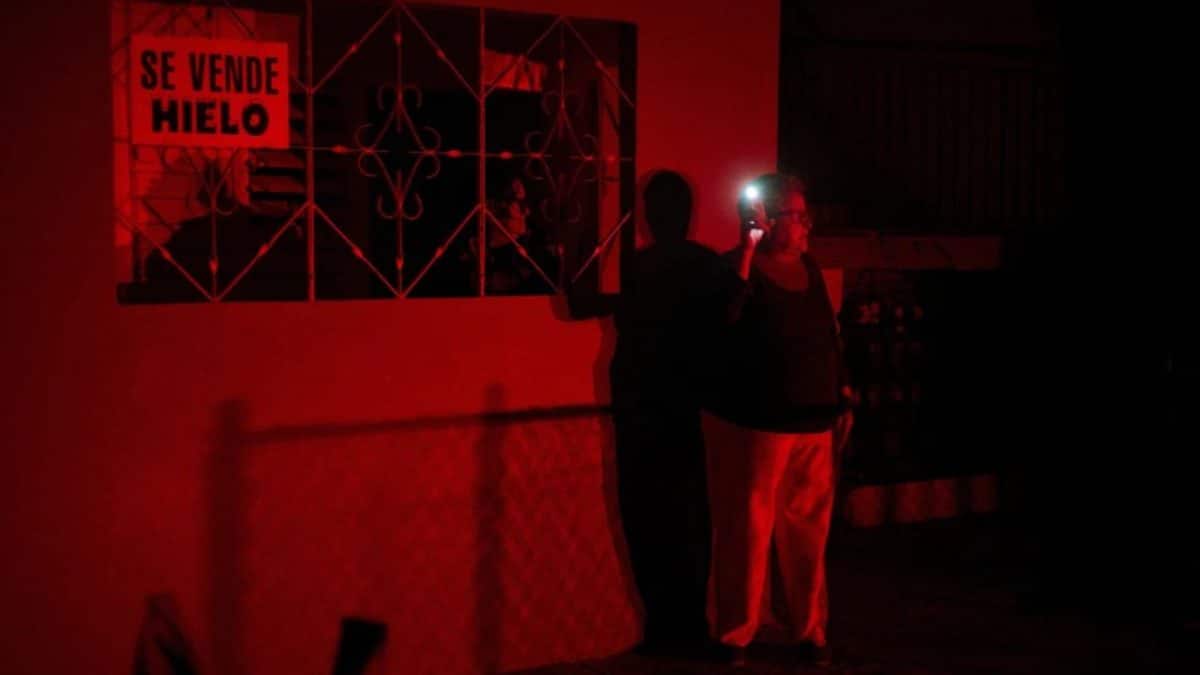
In the end, power isn't about who screams the loudest. It’s about who stays in the room when the lights go out. Right now, the world is looking around the room, and the chair at the head of the table is empty.
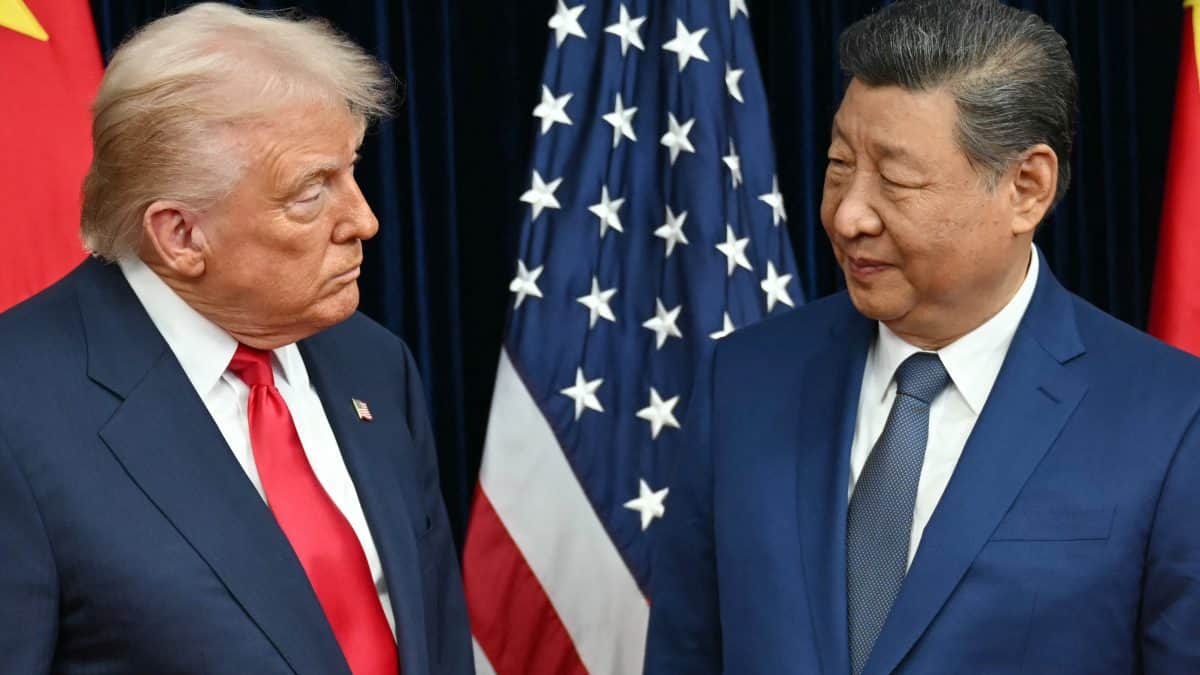
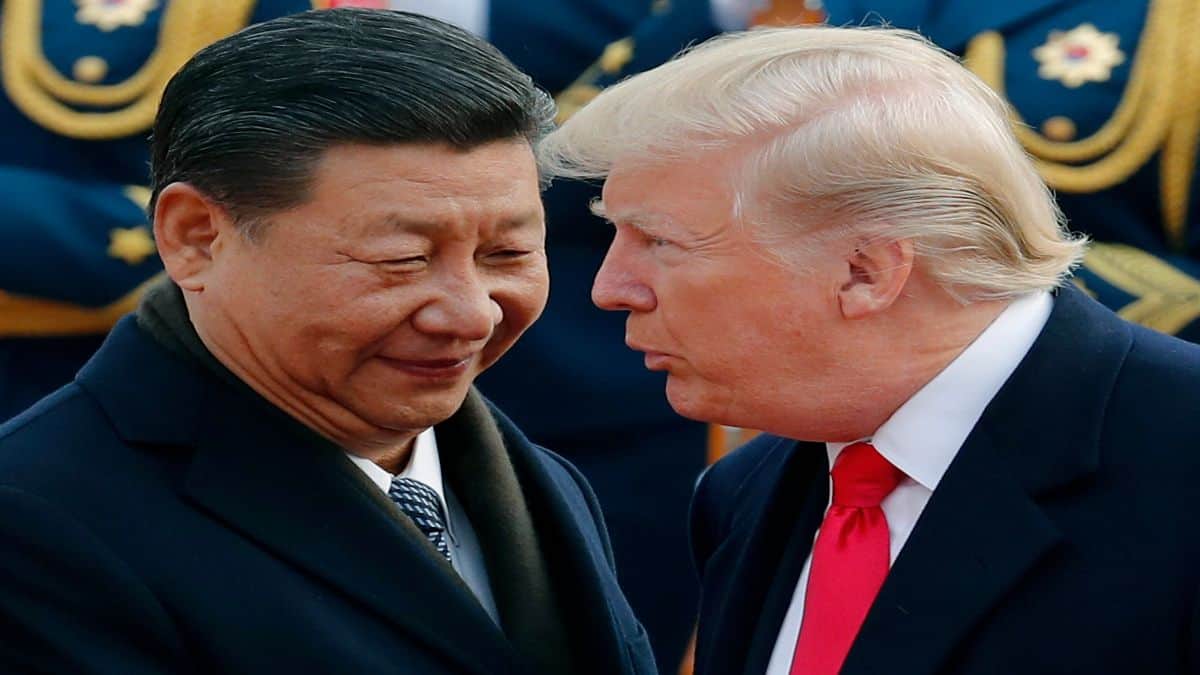
Across the hallway, in a different room, China is pulling out a chair and offering a seat. The world is sitting down, not because they like the host, but because they are tired of standing in the dark.
The anchor has snapped, and the ship is beginning to drift toward a different shore. It’s a quiet movement, almost imperceptible at first, but once a vessel of that size gains momentum, there is no stopping it. You can hear the chain rattling against the hull, a metallic rhythm marking the seconds of a departing era.