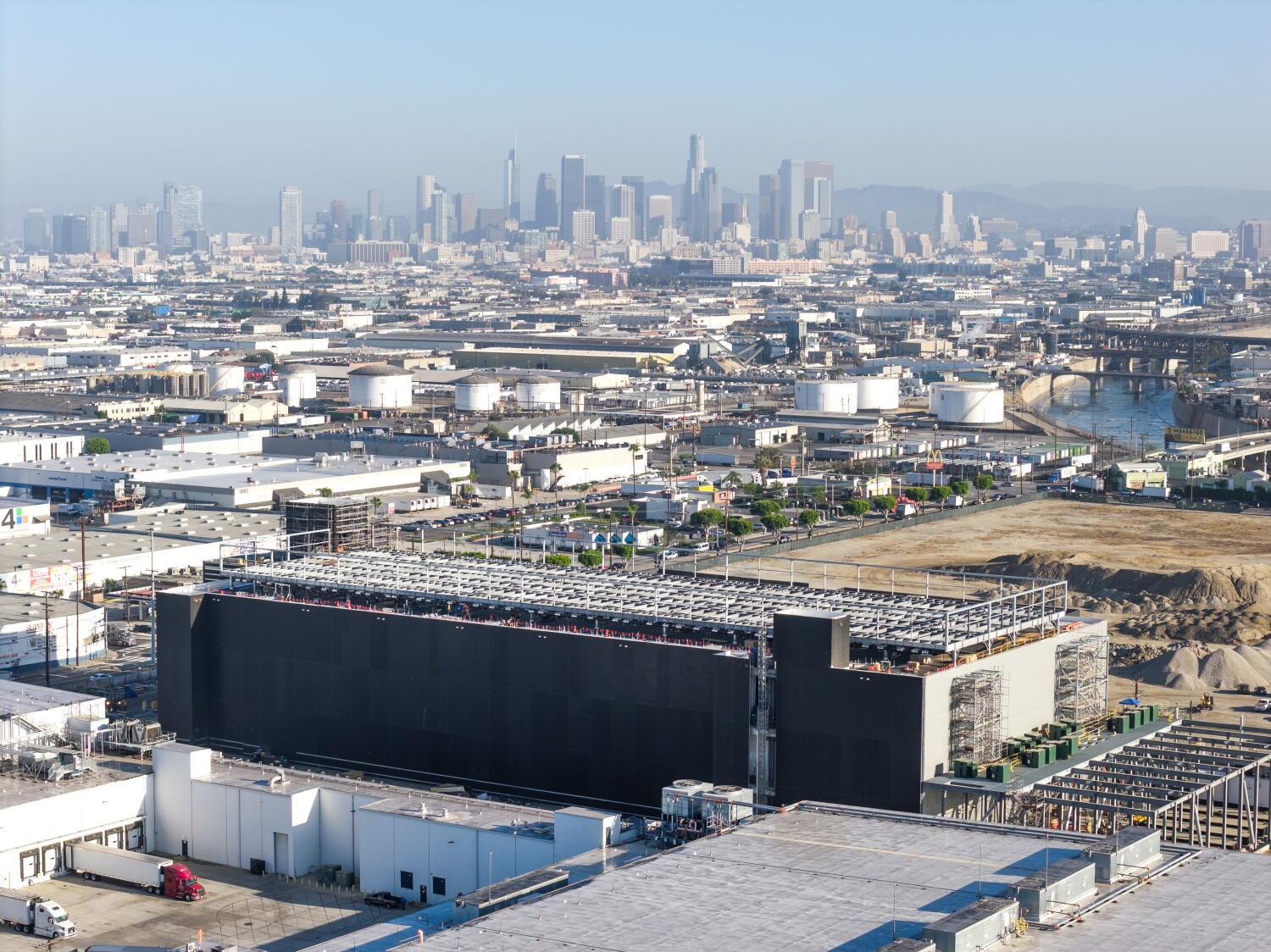
You bought a house for the quiet weekends, but now a low-frequency hum vibrates through your walls 24 hours a day. You didn't move next to a factory or a highway. You moved next to an artificial intelligence data center.
Across the country, neighborhoods are waking up to a new kind of industrial neighbor. The data center boom is moving at breakneck speed, fueled by massive tech investments and an insatiable demand for computing power. Yet local zoning laws and noise ordinances are stuck in the past. Lawmakers are finally starting to listen, but letters to the editor and frantic town hall meetings show that regulations aren't keeping up with the reality on the ground.
If you live near one of these facilities, you know the sound profile isn't a sharp, easily measured bang. It's a relentless, low-end drone. And it's exposing massive gaps in how municipalities regulate industrial noise.
The Problem With Traditional Decibel Meters
Most local noise ordinances rely on A-weighted decibels, known as dBA. This metric was designed decades ago to mimic how the human ear perceives everyday sounds. It rolls off sensitivity to low-frequency sounds because typical urban noise features higher pitches.
Data centers don't work that way.
Massive banks of cooling fans, chillers, condenser units, and backup diesel or gas generators emit powerful low-frequency noise and infrasound. These frequencies travel long distances, cut right through exterior walls, and turn bedrooms into vibrating chambers.
A facility can easily pass a municipal dBA inspection during the day while residents a mile away feel like their skulls are vibrating all night. Plaintiffs in federal class-action lawsuits against major operators like Microsoft and xAI are pointing directly to this regulatory blind spot. When standard municipal monitors check compliance, they use tools that literally cannot "hear" the primary problem.
Lawmakers write laws based on old science. Tech companies exploit those loopholes because compliance is measured by metrics that miss the actual annoyance.
Why Residents Are Taking Matters Into Their Own Hands
When local governments fail to protect basic quality of life, litigation follows. We are seeing a historic wave of nuisance and negligence lawsuits targeting operational data centers.
For years, community opposition focused on the front end of these projects: land use permits, zoning variances, and electricity allocation. People fought to stop construction before it started. Now that thousands of facilities are online, the battlefield has shifted to the courts.
Homeowners in places like Mount Pleasant, Wisconsin, Vineland, New Jersey, and North Tonawanda, New York, are filing class-action lawsuits over constant noise pollution. They aren't just arguing that the sound is loud; they are arguing that the developers could have engineered the facilities to be quiet.
Quieter cooling systems exist. Acoustic baffling works. Closed-loop designs can eliminate the need for banks of screaming backup fans. But these engineering controls cost money. Unless local laws mandate them, corporations often choose the cheaper, louder path until a judge forces them to change.
What Lawmakers Must Do Right Now
Municipalities cannot afford to treat data centers like standard commercial office buildings. They are heavy industrial installations that run continuously, drawing megawatts of power and generating constant thermal and acoustic exhaust.
Updating regulations requires a few concrete shifts:
- Adopt C-Weighted or G-Weighted Decibel Limits: Local ordinances must incorporate metrics that capture low-frequency noise and infrasound, rather than relying solely on standard dBA thresholds.
- Require Real-World Sound Modeling: Permit applications should require predictive acoustic modeling that accounts for topography, night-time atmospheric conditions, and cumulative sound from neighboring industrial sites, not just isolated manufacturer specs.
- Mandate Independent Post-Construction Audits: Developers should pay into an escrow fund for independent acoustic engineers to measure noise levels at property lines and nearby residences once the facility hits full operational capacity.
- Enforce Strict Setbacks: Buffer zones between server halls and residential property lines must be expanded significantly to allow low-frequency sound waves to dissipate naturally before reaching homes.
Technology moves fast, but municipal governance doesn't have to be entirely reactive. If lawmakers want to stop the flood of lawsuits and community backlash, they need to update their rulebooks to match the physical reality of modern AI infrastructure. Stop accepting compliance data that only tells half the story. Demand quieter engineering from the start.