Downtown skylines aren't reshaping themselves overnight. When a massive development deal involves city halls, nine-figure subsidies, and a 72-story skyscraper, things rarely go according to the initial timeline.
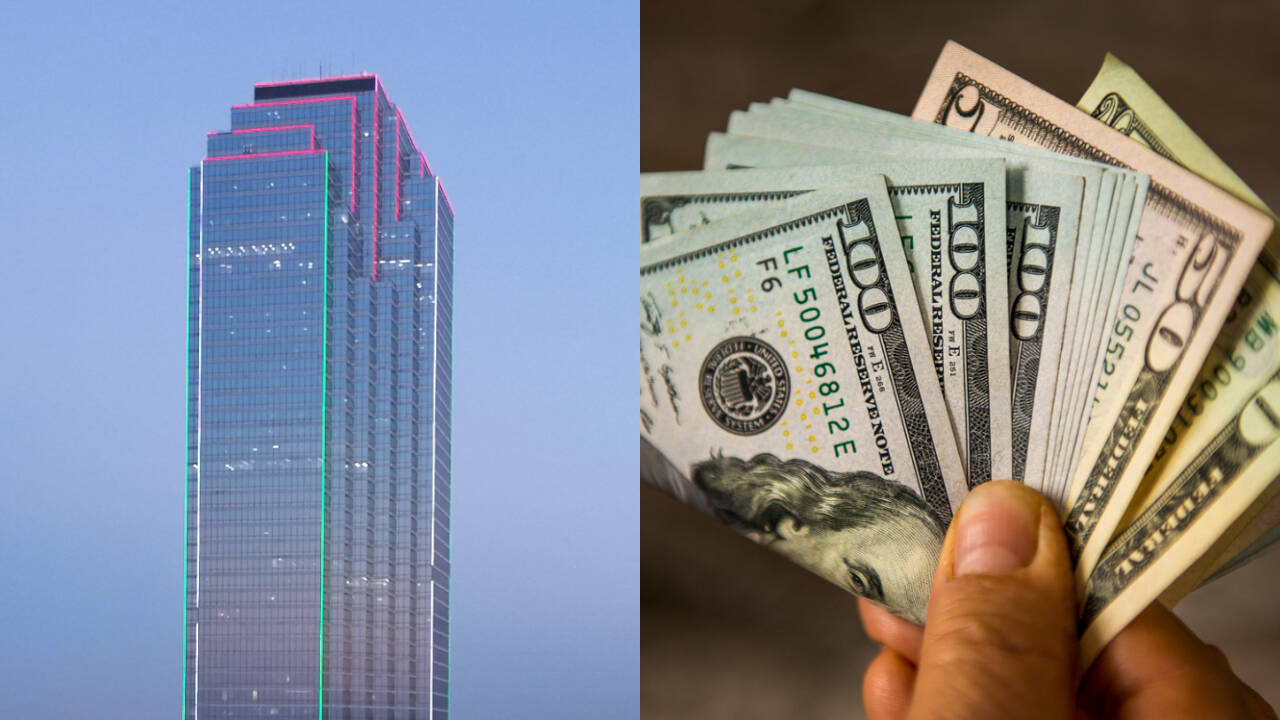
Dallas officials just gave developers a crucial ten-month extension to purchase the iconic Bank of America Plaza. This breather protects a hefty $103 million public incentive package tied to a sweeping $409 million transformation. Instead of scrambling to meet a tight end-of-September deadline, the development team now has until July 2027 to finalize the acquisition.
If you've watched major metropolitan office towers struggle with remote-work fallout, you know why cities are panicking. Single-use commercial monoliths are turning into financial anchors. Dallas wants to fix that before it becomes a ghost town.
The Reality Behind the Bank of America Plaza Overhaul
Let's be honest. Buying a 921-foot tower isn't like purchasing a suburban strip mall. The logistics are staggering. The approved blueprint aims to morph the city's tallest building from a standard corporate office box into a massive mixed-use ecosystem.
The developer group—backed by local heavyweights—plans to shave down the total office footprint from 1.8 million square feet to roughly 1.5 million. What fills the gap? A luxury hotel with roughly 280 rooms, ground-floor retail spaces, a brand-new multi-level parking garage across Main Street, and an elevated skybridge connecting the pieces. Oh, and they're putting a restaurant and observation deck on the 69th floor.
That's an ambitious swing. Real estate financing right now is brutal. Lenders look at empty cubicles and tighten their fists. Giving the buyers ten more months isn't just a friendly civic favor. It's a pragmatic recognition that complex capital stacks take time to assemble, especially when you are redesigning an entire city block.
Why the City Keeps Fording Millions Into Downtown Towers
Tax Increment Financing dollars usually draw heavy criticism. Why hand private developers $103 million when public infrastructure needs work?
City leaders look at the big picture. Downtown Dallas faces fierce competition from northern suburbs and evolving workplace trends. Iconic towers like the Bank of America Plaza define the city's identity. If they stay half-empty, property values slide, tax revenues drop, and downtown foot traffic dies out completely.
Adaptive reuse is basically the only playbook left for towers built in the 1980s. You can't lease out millions of square feet of raw drywall when companies are shrinking their office footprints. You have to mix uses. You add hospitality, residential elements, and entertainment destinations. People need reasons to visit downtown after five o'clock.
What Happens Next on Main Street
The development team claims they've already sunk millions into early design work and secured capital partners. Even so, hitting the new mid-2027 acquisition deadline is just the entry fee. The actual construction timeline stretches deep into the next decade, with completion targets hovering around 2032.
Expect plenty of friction along the way. Transforming a legacy skyscraper while tenants are still occupying floors requires surgical precision. Street closures, crane operations, and shifting sidewalk layouts will disrupt downtown traffic for years.
Dallas is betting big that this gamble pays off. If the developers pull it off, the skyline stays vibrant. If they stall out again, the city will have to rethink how it rescues vertical real estate before downtown loses its pulse entirely.