The installation of a life-sized bronze statue of Swami Vivekananda at the Home of Hope in Seattle is not a mere act of religious commemoration; it is a calculated exercise in cultural soft power and a strategic anchor for the Indian diaspora in the Pacific Northwest. While standard reportage focuses on the aesthetic details of the 8.5-foot monument, a structural analysis reveals three primary functions: the formalization of historical lineage, the creation of a geopolitical "soft anchor," and the institutionalization of Vedantic philosophy as a cross-cultural management framework.
The Mechanics of Lineage and Historical Continuity
The presence of Vivekananda in the United States traces back to the 1893 World’s Parliament of Religions in Chicago. By installing a physical monument in Seattle, the Ramakrishna Mission and the local diaspora are executing a strategy of "spatial legitimacy." This process involves physically marking territory to validate a century-long narrative of intellectual contribution.
- The Chicago-to-Seattle Corridor: The 1893 speech established a foundational logic for Eastern philosophy in the West. This new installation functions as a Western terminal for that logic, bridging the gap between historical arrival and contemporary influence.
- Material Permanence: Bronze, as a medium, is chosen for its resistance to environmental degradation. In the context of cultural diplomacy, the physical durability of the statue symbolizes the intended "unbreakable" nature of the Indo-US cultural partnership.
- Scale and Optics: Standing at 8.5 feet, the statue utilizes verticality to command psychological authority. This is a common tactic in public statuary intended to inspire "Darshan" (visual communion) while simultaneously asserting the prominence of the subject within the local urban fabric.
The Diaspora as a Geopolitical Soft Anchor
Seattle serves as a critical node in the global technology sector, housing headquarters for Amazon and Microsoft, both of which employ a high density of Indian-origin professionals. The statue acts as a focal point for this demographic, serving several socio-economic functions.
Cultural Retention and Cognitive Load
For the high-skilled immigrant workforce, the pressure of assimilation often creates a "cultural deficit." The installation provides a physical site for identity reinforcement. By aligning the statue with the values of "Universal Brotherhood"—a core tenet of Vivekananda’s 1893 address—the diaspora can reconcile their Indian heritage with their roles in Western corporate hierarchies. This reduces the cognitive dissonance associated with navigating two disparate cultural operating systems.
Soft Power Projection
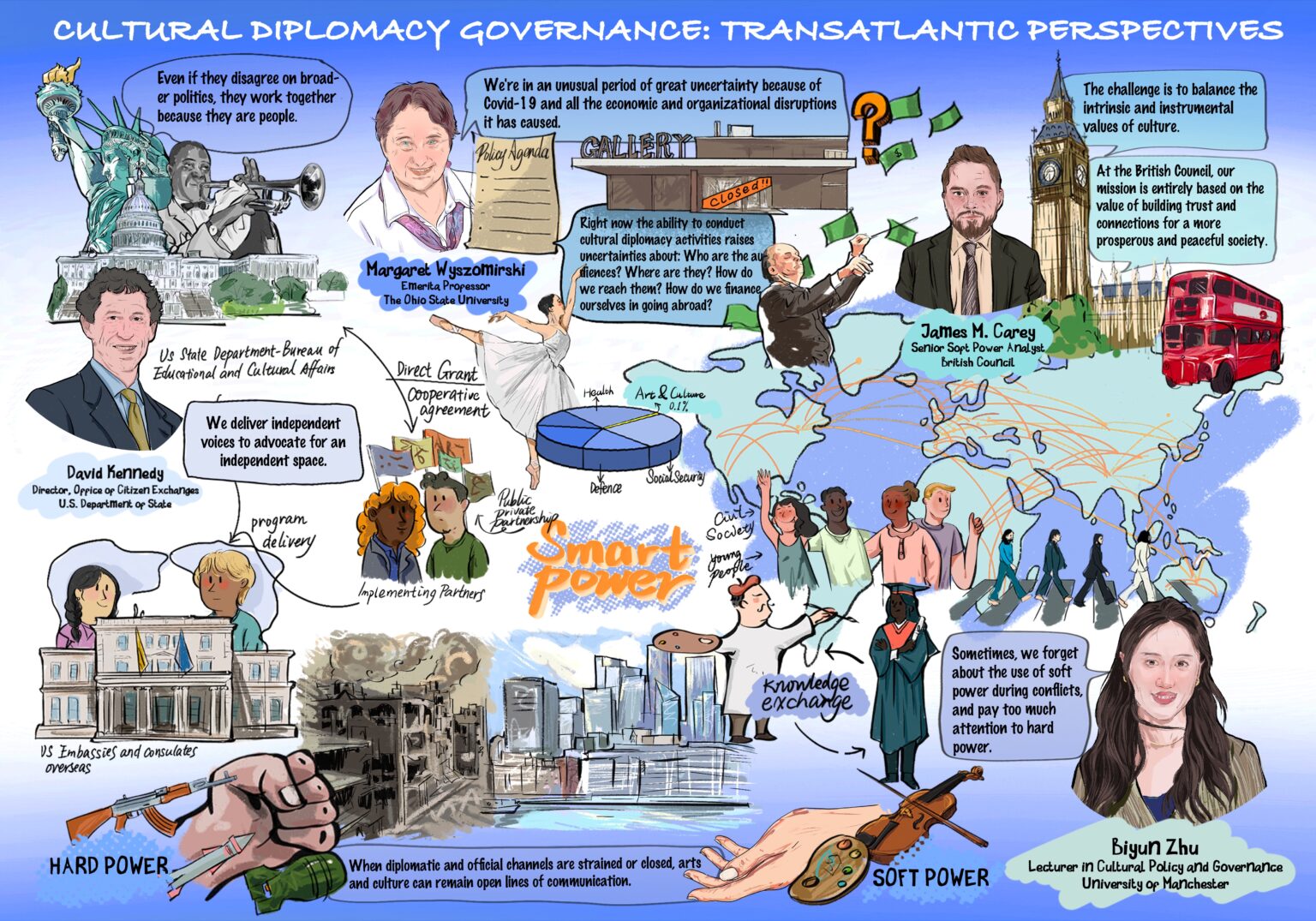
The Indian government’s support for such initiatives (often channeled through the Ministry of External Affairs and the Indian Council for Cultural Relations) follows a pattern of utilizing historical figures to build a "brand India" that is synonymous with peace, intellect, and pluralism. Vivekananda is a unique asset in this regard because his message was explicitly pre-political and focused on human potential, making it highly palatable to Western liberal audiences.
Deconstructing the Vedantic Management Framework
The rhetoric surrounding the unveiling often cites Vivekananda’s "Raja Yoga" and "Karma Yoga." Within an analytical framework, these are not just spiritual practices but systems for human capital optimization.
- Raja Yoga (Concentration): Effectively interpreted as the precursor to modern "Deep Work" or mindfulness in professional settings.
- Karma Yoga (Action without Attachment): A philosophical precursor to "process-oriented" rather than "outcome-oriented" management.
- Jnana Yoga (Discernment): Critical thinking and the analytical deconstruction of complex problems.
The Seattle installation serves as a physical classroom for these concepts. The site is intended to host seminars and dialogues that translate these 19th-century frameworks into 21st-century problem-solving tools. This transition from "statue as idol" to "statue as intellectual catalyst" is where the true value proposition lies for the local community.
Economic and Tourism Impact on the Pacific Northwest
The Home of Hope in Seattle now becomes a destination on the global map of the Ramakrishna Mission. This creates a specific micro-economy driven by "spiritual tourism."
Traffic Flow and Infrastructure
The influx of visitors for the unveiling—including high-ranking diplomats and religious leaders—indicates a sustained interest that will require local infrastructure support. This includes hospitality services and transportation links. Unlike seasonal tourism, cultural landmarks of this nature provide a steady, year-round flow of visitors, contributing to the local service economy's stability.
Real Estate and Community Clustering
Historically, the presence of major religious or cultural monuments correlates with the clustering of specific ethnic demographics. This statue is likely to influence residential patterns in the surrounding Seattle suburbs, as proximity to the "Home of Hope" becomes a value-add for practicing families. This creates a feedback loop: the monument attracts the community, and the community further invests in the monument’s upkeep and surrounding expansion.
Operational Limitations of the Monument Strategy
Despite the strategic benefits, several bottlenecks exist in the "monument-as-influence" model.
- Static Communication: A statue is a passive transmitter. Without an accompanying digital strategy or active educational programming, it risks becoming a "background asset" that loses its communicative power over time.
- Niche Appeal: While Vivekananda has broad appeal, the iconography remains deeply rooted in a specific cultural tradition. Expanding the audience beyond the existing diaspora requires a translation of the message into secular, functional language that resonates with the wider non-Indian population in Seattle.
- Maintenance Overhead: Bronze requires specific chemical treatments to prevent oxidation (patina), which can be seen as aesthetic degradation by some or a symbol of age by others. The long-term financial commitment for preservation is a recurring liability that must be managed by the local trust.
The Strategic Alignment of Science and Spirituality
One of the most potent elements of the Vivekananda narrative is his historical interaction with scientists like Nikola Tesla and Lord Kelvin. The Seattle installation leverages this specific history to appeal to the city’s identity as a hub of science and technology. By positioning Vivekananda as the "Scientific Monk," the organizers are framing the monument as a tribute to the synthesis of empirical data and internal psychology.
This positioning is critical for engaging the "Gen Z" and "Millennial" cohorts of the diaspora, who may be skeptical of traditional religiosity but are highly receptive to "mental health" and "productivity" frameworks. The statue, therefore, functions as a bridge between 19th-century Vedic thought and modern neuroscientific inquiries into consciousness.
Future Trajectory: The Expansion of the Cultural Footprint
The Seattle installation is not an isolated event but part of a broader trend of "Iconographic Diplomacy." We can expect to see similar installations in other global tech hubs like San Francisco, London, and Bangalore. The goal is to create a global network of these hubs that facilitate the exchange of ideas under the umbrella of "Vivekananda’s Universalism."
To maximize the ROI of this installation, the management at the Home of Hope must transition from a "custodian" mindset to a "curator" mindset. This involves:
- Establishing a digital twin of the site for virtual "Darshan" and education.
- Partnering with local universities (such as the University of Washington) for cross-disciplinary studies in Eastern Philosophy and Modern Ethics.
- Hosting "Silent Retreats" specifically designed for the high-stress tech workforce, using the statue as a focal point for meditation.
The success of the Seattle monument will be measured not by the number of people who attended the unveiling, but by the frequency with which its core principles are cited in the boardrooms and classrooms of the Pacific Northwest over the next decade. The statue is a hardware upgrade; the real work lies in the software—the programming and education that will run on top of it.
Move forward by integrating the "Home of Hope" into the local municipal cultural circuit. Secure city-level recognition of the site as a landmark of "Diversity and Inclusion" to ensure protection and government support for future public events. Shift the narrative from "Indian Statue" to "Global Intellectual Monument" to broaden the donor base and visitor demographic. For the diaspora, use the site as a venue for mentorship programs that pair senior tech executives with younger students, grounding professional development in the philosophical tenets represented by the figure. This converts a static bronze object into a dynamic engine for community growth and professional excellence.