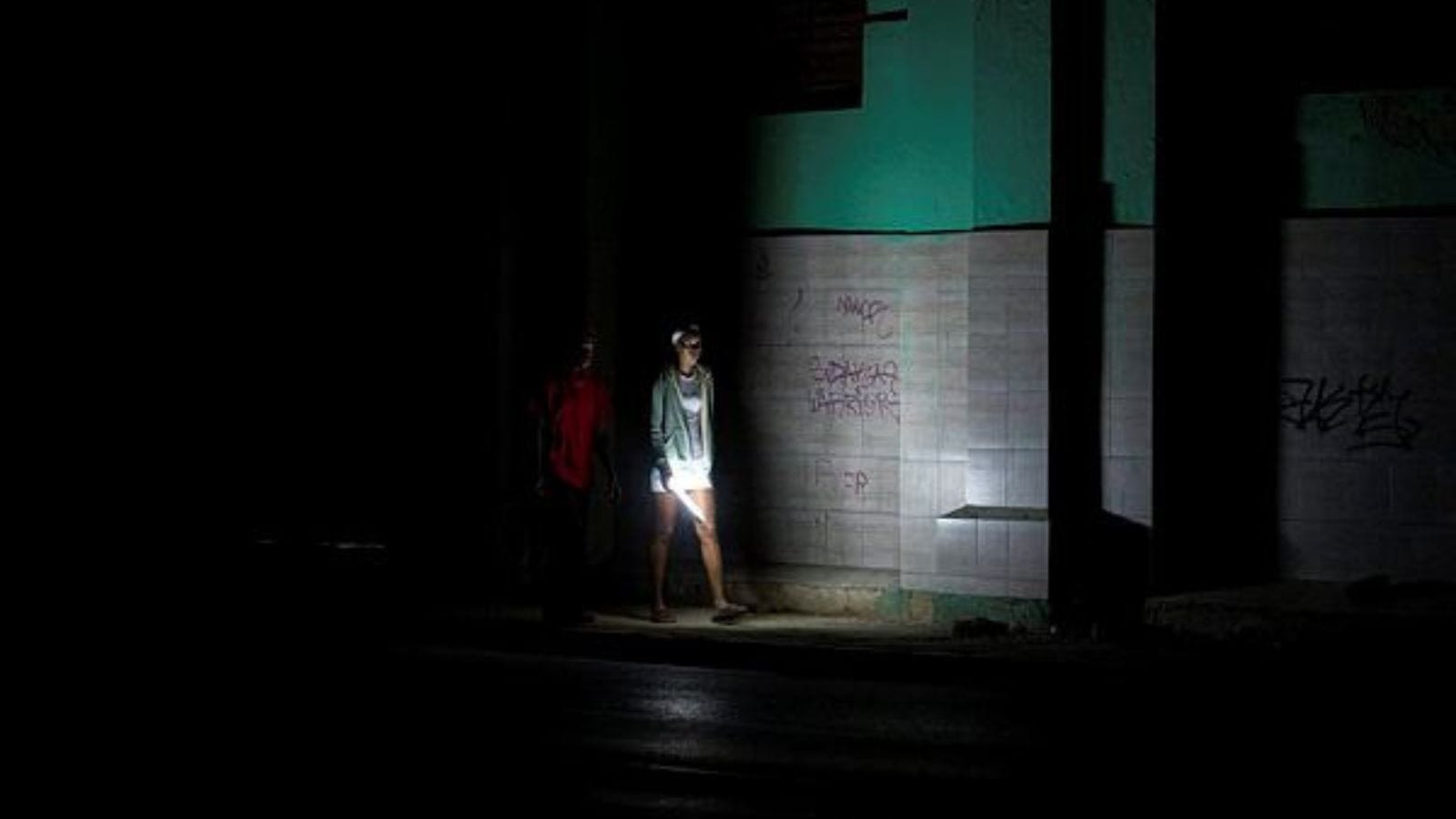
Cuba is dark. Again. For the third time this month, the national power grid has simply given up, leaving ten million people to navigate life by flashlight. If you're looking for a single villain, you won't find one. It's a perfect storm of ancient Soviet-era hardware, a aggressive U.S. energy blockade, and the sudden loss of Venezuelan oil.
The latest collapse happened this past Saturday. It followed a "total disconnection" just days earlier on March 16. When the Antonio Guiteras plant or the Nuevitas plant hiccups, the whole island feels it. The system is so fragile that one mechanical failure at a single plant causes a cascading effect that shut downs every light from Havana to Santiago.
The death of a 1970s power grid
Most of Cuba's electricity comes from eight thermoelectric plants. These machines were built to last about 100,000 hours. Most have been running for double that. You can’t keep a 50-year-old car running forever without parts, and you certainly can’t keep a national power grid alive when you're missing the fuel to fire the boilers.
Currently, these plants are operating at about 34% of their actual capacity. They aren’t just old; they’re starving. Cuba produces roughly 40% of the oil it needs. For the rest, it has historically relied on friends. But those friends are being squeezed out by Washington's "maximum pressure" strategy.
In January 2026, the Trump administration took things to a new level. By threatening massive tariffs on any country that sells oil to Cuba, the U.S. effectively turned off the tap. Mexico, which was a steady supplier through 2025, has largely pulled back to avoid trade war drama. Venezuela, once the island’s lifeline, has sent nothing this year following the ouster of President Maduro in January.
Living in the dark is more than an inconvenience
When the power goes, everything else goes with it. We aren’t just talking about your Wi-Fi cutting out.
- Water access: Over 80% of Cuba’s water pumping systems require electricity. When the grid fails, the taps run dry. Nearly a million people now wait for tanker trucks just to get a drink of water.
- Food security: In a country already facing food shortages, a blackout is a death sentence for whatever is in the fridge. People have started cooking communal meals over wood fires in the streets just to use up meat before it spoils.
- Healthcare: Five hospitals in Havana got lucky with "microsystems" this week, but most rural clinics are operating in total darkness. Surgeons have had to cancel operations, and specialized treatments for cancer or chronic illness are at a standstill.
Fuel prices on the black market have hit $9 a liter. For most Cubans, filling a gas tank now costs more than they earn in an entire year. It's a survival economy.
The China solar gamble
President Miguel Díaz-Canel knows he can't fix the old plants. The goal now is a massive shift to renewables, specifically a China-backed program to build 92 solar parks by 2028. The target is 2,000 megawatts of new capacity.
It’s an ambitious plan, and over $1 billion has already been sunk into it. But solar panels don't solve the problem tonight. As of now, only a few dozen of these parks are synchronized. Even if the sun is shining, the grid needs a stable "base load" that solar just can't provide without massive battery storage—something Cuba doesn't have.
What happens when the lights dont come back
Frustration is boiling over. Rare street protests have broken out in the eastern provinces. People are tired. They're charging phones in five-minute windows of "low voltage" power that often fries their appliances anyway.
The U.S. strategy is clear: keep the pressure on until the system snaps. The Trump administration has even hinted at a "friendly takeover" or a move toward total liberalization in exchange for lifting the oil blockade. For the average person in Havana, that geopolitical chess match matters less than the fact that they can't pump water or keep their children's milk from souring.
If you're following this crisis, watch the shipping lanes. Until a major tanker from a country willing to defy U.S. tariffs—likely Russia or a very defiant Mexico—docks in Matanzas, these collapses will keep happening. The grid isn't just broken; it's being starved to death.
Keep an eye on the diplomatic talks between Havana and Washington. If no deal is reached on political prisoners or trade terms soon, the summer of 2026 is going to be the hottest and darkest the island has ever seen. Check the daily updates from the Cuban Electric Union (UNE) on Telegram if you need real-time status on specific provinces, though expect "planned" outages to remain the norm for the foreseeable future.