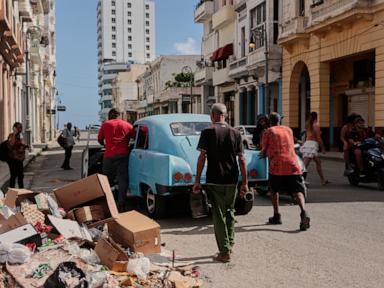
Cuba is running out of options. The island is facing its worst economic disaster since the fall of the Soviet Union, and the leadership in Havana knows it. Power grids are failing. Food lines are growing. The state can't provide basic necessities anymore. Because of this, the Cuban Communist Party just approved an emergency package of nearly 200 free-market measures. It's the most radical shift toward capitalism since Fidel Castro’s 1959 revolution.
You read that right. The hardline communist regime is opening the door to private property, private banking, and corporate shares. They won't call it capitalism publicly, of course. President Miguel Díaz-Canel insists these changes strengthen the socialist project. But let's be real. When you let people buy state-owned real estate and open private commercial ventures, the old socialist playbook is dead.
The Brutal Reality Forcing Havana's Hand
The immediate trigger for these desperate reforms isn't a sudden change of heart by the Cuban leadership. It's survival. In January, the United States imposed a devastating oil blockade that cut off Cuba's primary energy supply from Venezuela. The results have been catastrophic.
Blackouts now routinely last over 30 hours in some provinces. Drinking water is scarce. Medicine is nearly non-existent. To make matters worse, major Canadian airlines completely suspended flights to the island, crippling the vital tourism sector.
Havana has no cash. The country's state-controlled distribution system, which historically guaranteed cheap rationed food to every citizen, is collapsing. The new economic package changes the game by gradually phasing out these universal subsidies. Soon, food and everyday goods will move to market-driven pricing. It's a massive blow to the poorest citizens, but the government simply can't afford to foot the bill anymore.
Breaking the 100-Worker Limit and Legalizing Private Banks
For years, Cuba allowed small private businesses, known locally as mipymes, but kept them on a tight leash. They couldn't employ more than 100 workers. They couldn't scale up. They couldn't bypass government bureaucrats to import goods.
That system is gone. The new emergency measures completely remove the 100-worker cap, allowing private enterprises to expand into genuine corporations. Even more shocking is the decision to authorize private banks. For decades, the financial sector was a strict state monopoly. Opening it up to private capital means businesses can finally secure financing without begging a bankrupt state apparatus for liquidity.
Cubans will also be allowed to own multiple companies. Previously, you could only run one small operation. Now, successful entrepreneurs can build actual business portfolios. The state is also dismantling its mandatory import-export intermediaries. Private businesses can now buy raw materials directly from international suppliers and sell their goods abroad without a government middleman taking a massive cut of the profits.
Selling State Assets to Cubans Abroad
Perhaps the most ironic twist in this new package is the overture to the Cuban diaspora. For decades, the government vilified exiles who fled to Miami and Europe. Now, Havana is begging them for cash.
The reforms explicitly allow the sale of state-owned properties to foreign entities and individuals, including Cubans living abroad. If you have capital, the government is willing to sell you real estate, land, and equity stakes in crumbling state enterprises.
The state is even transforming some of its 2,000 state-owned companies into private commercial entities with transferable shares. Local municipalities are getting the authority to approve businesses, manage foreign currency revenue, and engage directly in international trade. It's a massive decentralization effort modeled loosely on the economic transformations of China and Vietnam.
What This Means For Investors and Travelers
If you're watching Cuba from the outside, the landscape is incredibly volatile but filled with unprecedented openings. The tourism industry is a prime example. Recent U.S. sanctions targeted Gaesa, the military-run conglomerate that owns most of Cuba's hotels. This forced major European hotel chains like Meliá and Iberostar to pull back or suspend contracts.
Instead of letting these properties rot, the new measures open the tourism sector to brand-new private actors and alternative operational models. Private businesses can now invest in tourism infrastructure on equal terms with foreign entities.
Don't expect an overnight miracle. The risk remains exceptionally high. The U.S. pressure campaign isn't going away, and doing business in Cuba still requires navigating a complex web of international sanctions. But for the first time in over sixty years, the Cuban government isn't just tolerating the private sector. It's actively begging it to save the country.
Watch the National Assembly votes closely over the coming weeks. The transition away from a state-run monopoly is happening fast, because the alternative for the regime is total collapse. If you have ties to the island or operate in Caribbean trade, start analyzing how direct import powers and private banking access will alter your supply chains immediately.


