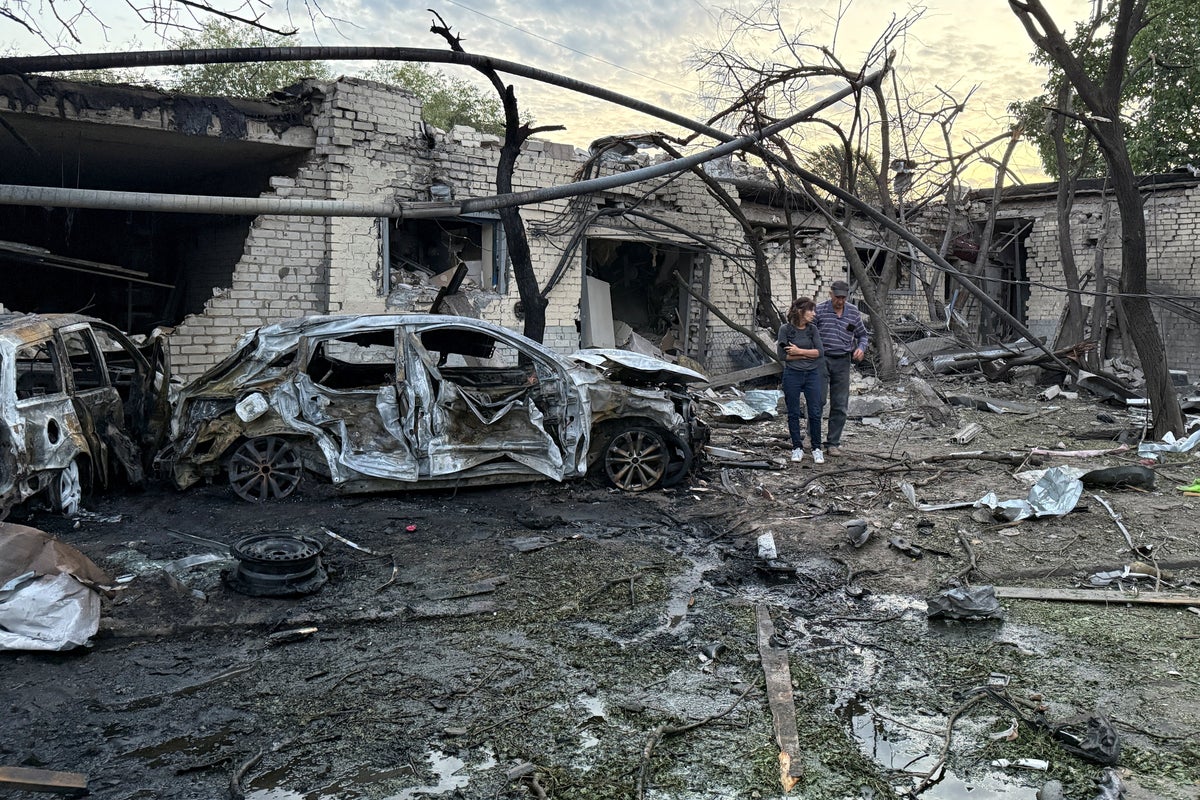
The monsoon does not check passports. When swollen rivers tear through the Himalayan foothills, sweeping away entire communities across the borderlands of South Asia, the high-water mark dictates the catastrophe. Yet when the floods recede, state lines harden instantly. India and Nepal share an open border, a cultural continuity, and thousands of seasonal migration routes. But when bodies wash down the Mahakali or the Narayani rivers, that shared geography fractures into bureaucratic silos.
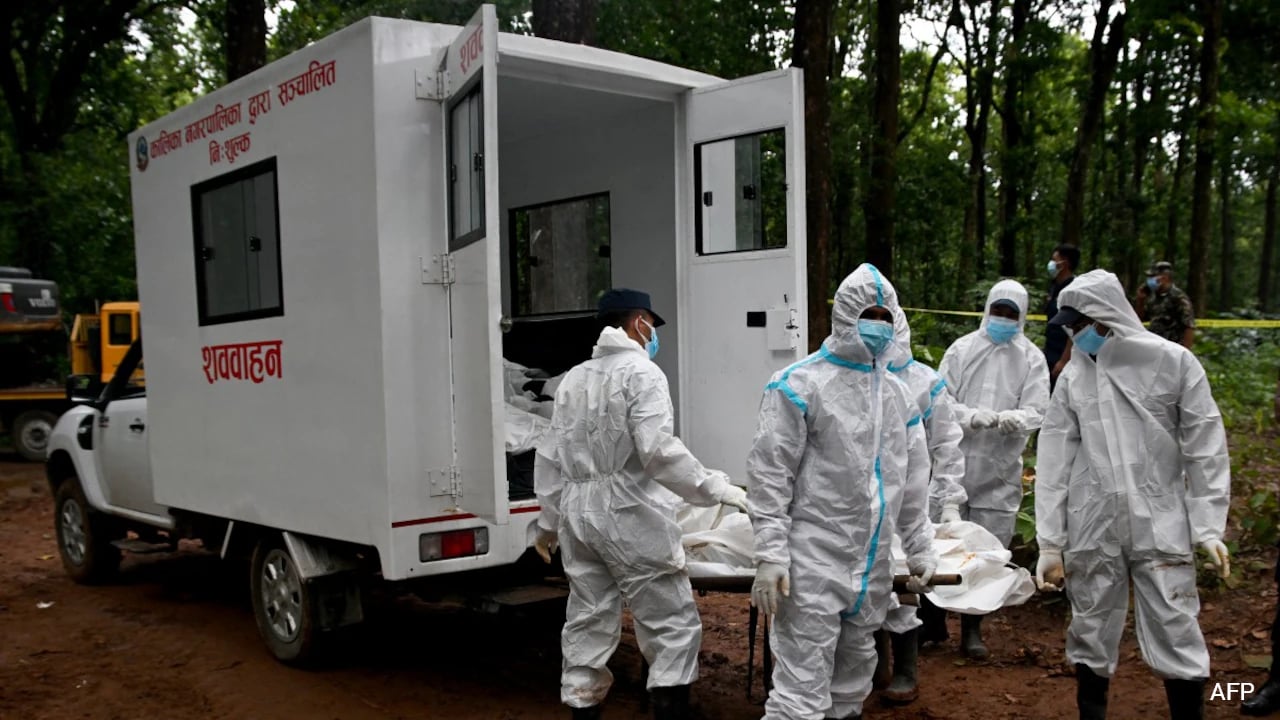
While Nepali authorities face the grim necessity of burying unidentified flood victims in mass or hasty shallow graves due to a lack of cold-storage infrastructure, Indian families living downstream cross the international boundary desperately searching for missing relatives. This cross-border vacuum exposes a brutal structural failure in disaster management. Neighbors search for their children across guarded checkpoints while bodies that might offer closure are hastily interred without DNA samples or dental records logged in an international database.
Deadly floods are not anomalies in this region. They are regular, predictable seasonal shocks exacerbated by shifting weather patterns and unregulated river basin development. Still, regional disaster response protocols remain stubbornly national, archaic, and unequipped for transnational humanitarian realities.
The Anatomy of a Cross Border Search
When a breadwinner vanishes during a midnight flash flood in Uttarakhand or Bihar, the search begins in local police stations. Relatives file missing persons reports, collect grainy photographs, and begin calling contacts upstream. If the victim was swept into a transboundary river system, those calls must eventually cross into Nepalese territory.
This is where the machinery stalls.
Local law enforcement agencies on either side of the international boundary operate under strict jurisdictional limitations. Mutual legal assistance treaties are designed for transnational crime, not for disaster victim identification. There is no bilateral protocol that mandates the automatic sharing of forensic data, recovered personal effects, or missing persons registries between border districts.
Consider the logistical reality on the ground in rural Nepal during peak monsoon season. District hospitals rarely possess functional mortuaries with refrigeration capacity. Power outages are frequent. When dozens of unidentified bodies accumulate simultaneously, public health mandates force local administrations to act quickly. Burial or cremation becomes an immediate necessity to prevent disease outbreaks.
Before those bodies go into the earth, standard international protocols require forensic markers to be collected. Fingerprints, DNA buccal swabs, dental charts, and precise photographs of tattoos, scars, or distinct clothing are essential. In high-income nations, Interpol Disaster Victim Identification guidelines govern these exact scenarios. In the remote river valleys of the Himalayas, these protocols often collide with a severe lack of resources, trained personnel, and inter-agency coordination.
Why Regional Disaster Diplomacy Fails
South Asian regional bodies like the South Asian Association for Regional Cooperation were theoretically designed to address shared regional crises. In practice, diplomatic friction and bureaucratic inertia have largely neutralized these mechanisms. Disaster management has historically been treated as an internal sovereignty issue rather than a collaborative security threat.
When floodwaters rise, national governments prioritize domestic optics. Rescuing citizens, distributing relief packages, and managing political fallout take precedence over establishing cooperative forensic pipelines with neighboring states.
The human cost of this insular approach is staggering. Families are left suspended in a legal and emotional purgatory. Without an official death certificate, surviving spouses cannot claim property titles, access bank accounts, or apply for government disaster compensation. Widows find themselves legally married to missing persons, blocked from remarriage or social security benefits because a cross-border bureaucracy cannot verify a fatality that occurred fifty miles downstream.
Financial ruin follows closely behind emotional trauma. Families spend meager savings traveling back and forth across border posts, bribing minor officials for information, or paying private search parties to scour riverbanks. The poorest bear the heaviest burden, priced out of the transnational channels required to locate a lost loved one.
The Forensic Technology Gap
The technology to solve this crisis exists, but it remains concentrated in elite research institutions rather than frontline border districts. Rapid DNA profiling can yield results in hours, yet local police stations in flood-prone districts rely on visual identification by exhausted relatives.
By the time a body drifts across the border, bloating and decomposition render visual identification nearly impossible. Clothing rots away. Features distort. Without genetic databases that span national boundaries, forensic evidence collected in one country is functionally invisible to investigators searching for the same person in another.
Efforts by international humanitarian organizations to bridge this gap face institutional resistance. Police forces are often protective of their data, viewing missing persons files through the lens of criminal investigations rather than humanitarian relief. Bureaucratic silos prevent public health ministries, police departments, and disaster management authorities from speaking a common language, even within the same country.
To fix this, regional governments must decouple disaster victim identification from traditional law enforcement paradigms. A missing flood victim is not a criminal suspect. Treating them as such creates unnecessary legal hurdles that delay identification and prolong grief.
Shifting From Reaction to Regional Integration
True resilience requires reimagining disaster management as an integrated, basin-wide challenge. Rivers do not recognize the pillars marking the international border, and neither should the emergency protocols designed to mitigate their destruction.
Bilateral agreements between India and Nepal must be updated to include binding disaster response annexes. These frameworks should mandate:
- Standardized Forensic Protocols: Training local police and medical personnel in border districts to collect and preserve DNA, dental, and biometric data according to recognized international standards before any burial takes place.
- Secure Data Sharing: Establishing a direct, encrypted digital portal between district police headquarters on both sides of the border to cross-reference missing persons reports with unidentified recovered bodies in real time.
- Automated Legal Recognition: Ensuring that death certificates issued via cross-border forensic identification are legally recognized by both nations for property, inheritance, and compensation purposes.
- Regional Cold-Chain Infrastructure: Funding decentralized mortuary facilities equipped with backup power in high-risk border valleys to buy time for proper identification processes.
Until these systemic changes take root, every monsoon will repeat the same tragic cycle. Families will search riverbanks for ghosts while states bury the evidence of their own administrative failures under unmarked mounds of earth. The water will recede, the mud will dry, and the border will close once again to those who need passage most.