Fear is the most profitable ingredient in the modern food system.
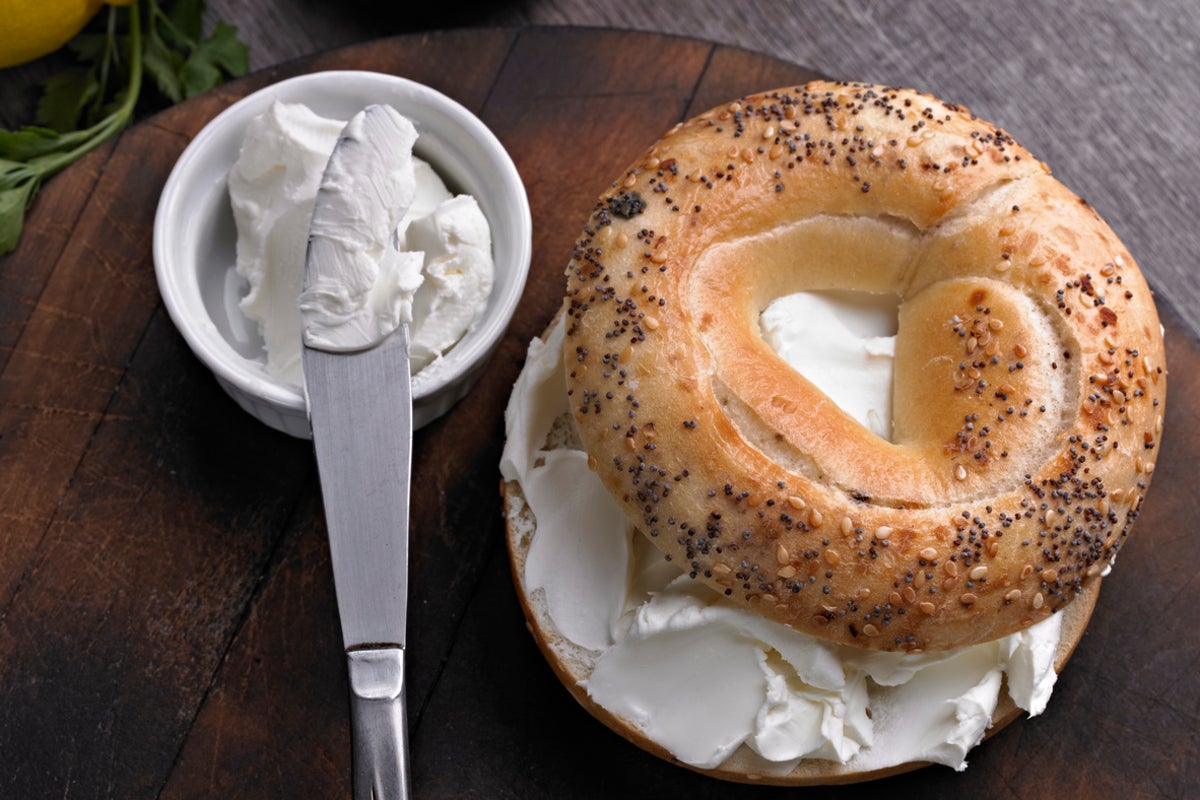
The recent "Class I" upgrade of the cream cheese recall—the highest threat level the FDA can slap on a product—has the media salivating. Journalists are busy copy-pasting the same terrifying warnings about "serious adverse health consequences or death." They want you to stare at your bagel with the same suspicion you'd give a ticking suitcase.
They are missing the point. They are obsessing over a localized bacterial event while ignoring the systemic failure of the modern digestive tract that makes these events dangerous in the first place.
The Salmonella Spectacle
Salmonella isn't a supernatural monster. It’s a ubiquitous bacterium.
The "lazy consensus" pushed by health pundits is that food safety is a binary: either the food is sterile and safe, or it is contaminated and lethal. This is a fairy tale. Total sterility is a myth, and chasing it has actually made us more vulnerable.
The FDA’s Class I designation for this cream cheese recall isn't necessarily a statement on the virulence of the specific strain found; it is a legal trigger based on a risk assessment of the weakest links in our population. We have built a society so metabolically fragile and microbiomically depleted that a standard pathogen that a healthy human should handle with a few hours of discomfort now warrants a national emergency.
I have spent years looking at the intersection of industrial food processing and human pathology. When a company like Schreiber Foods or SunSprout pulls product, they aren't just protecting you. They are protecting their balance sheets from litigation. The "danger" isn't just in the cream cheese; it’s in the fact that your gut flora has been so decimated by emulsifiers, preservatives, and a lack of fermented complexity that you have no internal defense system left.
Why Sterility is the Enemy of Safety
We have spent seventy years trying to kill every germ in the factory. What did we get? We got Listeria monocytogenes and Salmonella strains that are tougher, more resilient, and more opportunistic.
When you strip a food environment of its natural, "friendly" bacteria through aggressive heat treatment and chemical sanitization—processes required to make shelf-stable, industrial cream cheese—you create a biological vacuum. If a pathogen like Salmonella finds its way into that vacuum, there is no competition. It spreads like wildfire because the "good guys" were murdered during the "safety" phase of production.
Compare industrial, pasteurized-to-death cream cheese with traditional, raw, or naturally fermented dairy. In a fermented environment, the lactic acid-producing bacteria create an acidic, competitive "landscape" (pardon the expression, let's call it a battlefield) where Salmonella struggles to gain a foothold.
By demanding "perfectly safe" industrial food, we have actually engineered a system where the rare failures are catastrophic rather than negligible.
The Reality of Risk Assessment
The media loves the phrase "death is possible." Technically, death is possible when you trip over a rug.
According to the CDC, there are approximately 1.35 million Salmonella infections in the United States every year. Only about 420 of those result in death. That is a fatality rate of $0.03%$. Most of these deaths occur in individuals who are already immunocompromised, elderly, or very young.
If you are a healthy adult with a functioning stomach acid profile (pH of 1.5 to 3.0), your body is a literal vat of acid designed to dissolve these pathogens. But here is the catch: millions of Americans are on Proton Pump Inhibitors (PPIs) for heartburn. They are artificially raising their stomach pH, turning their primary defense against foodborne illness into a lukewarm puddle that lets Salmonella march right through.
We don't need fewer cream cheese recalls. We need fewer people with broken stomachs.
The Problem With the "Expert" Advice
When experts tell you to "throw it out and sanitize your fridge," they are giving you a Band-Aid for a bullet wound.
- The Cross-Contamination Myth: You aren't going to die because a closed tub of cream cheese sat next to your eggs. The hysteria suggests that the bacteria are jumping through plastic.
- The Sanitization Paradox: If you bleach your kitchen every time a recall hits the news, you are further reducing the microbial diversity of your home, which has been linked to increased rates of asthma, allergies, and autoimmune dysfunction.
- The Focus on the End-Product: The recall focuses on the cream cheese. The real investigation should be on the industrial runoff and the centralized processing plants that mix milk from five thousand different farms. One sick cow in Ohio can contaminate a bagel in Oregon.
Centralization is the risk. Not the bacteria.
How to Actually Protect Yourself (The Contrarian Protocol)
Stop waiting for the FDA to save you. They are a reactive agency, not a proactive one. By the time a Class I recall hits the news, the product has usually been on shelves for weeks. You’ve likely already eaten it.
If you want to survive the inevitable failures of the industrial food chain, stop obsessing over the headlines and start fixing your biology.
1. Optimize Your Gastric Barrier
The most effective "food safety" tool you own is your stomach acid. If you are popping antacids like candy, you are inviting Salmonella to dinner. Unless medically necessary for a severe condition, reconsider the chronic use of acid-blockers. You want your stomach to be a hostile environment for invaders.
2. Diversify the Microbiome
Stop eating "sterile" food. Incorporate high-quality, traditionally fermented foods like unpasteurized sauerkraut, kimchi, and kefir. These introduce "commensal" bacteria that act as a security force. When a pathogen enters a crowded gut, it can’t find a place to park. When it enters a gut decimated by a Standard American Diet, it has the whole lot to itself.
3. Abandon Centralized Dairy
If you are terrified of a cream cheese recall, stop buying cream cheese from a conglomerate that processes millions of pounds a day. Find a local producer. Smaller batches mean smaller risk surfaces. If a local farmer’s batch is contaminated, it affects fifty people, not fifty thousand.
4. Understand the Symptoms
If you get "food poisoning," stop running to the pharmacy to shut it down with anti-diarrheals. Diarrhea is the body’s "purge" command. If you have Salmonella, you want it out. By taking medication to stop the flow, you are keeping the pathogen and its toxins inside your colon longer, increasing the chance of systemic infection. Hydrate, suffer through it, and let your body do the work it evolved to do.
The Industry Secret Nobody Admits
Food companies actually love these recalls in a twisted way. It allows them to demonstrate "transparency" and "commitment to safety" without ever having to change the underlying, fragile architecture of their supply chains. They pull the product, take a tax write-off, and go right back to the same high-volume, high-risk processing methods that caused the issue.
They aren't fixing the system. They are just managing the optics of its failure.
The "experts" shouting about "serious adverse health consequences" are treating you like a child. They want you to believe that safety comes from a government press release. It doesn't. Safety comes from a robust immune system and a healthy skepticism of anything produced in a vat the size of a grain silo.
Stop fearing the cream cheese. Start fearing the fact that you’ve been conditioned to rely on a food system that is one minor bacterial mutation away from a total collapse.
If you're healthy, Salmonella is a bad weekend. If you're the product of a modern, sterilized, hyper-processed lifestyle, it's a threat to your existence. The choice of which person you want to be isn't found in a recall notice.
Throw away the tub if it's on the list, but don't think for a second that you've solved the problem. The real threat is the weakness you’ve been told is normal.
Build a body that can handle the world. The FDA won't do it for you.