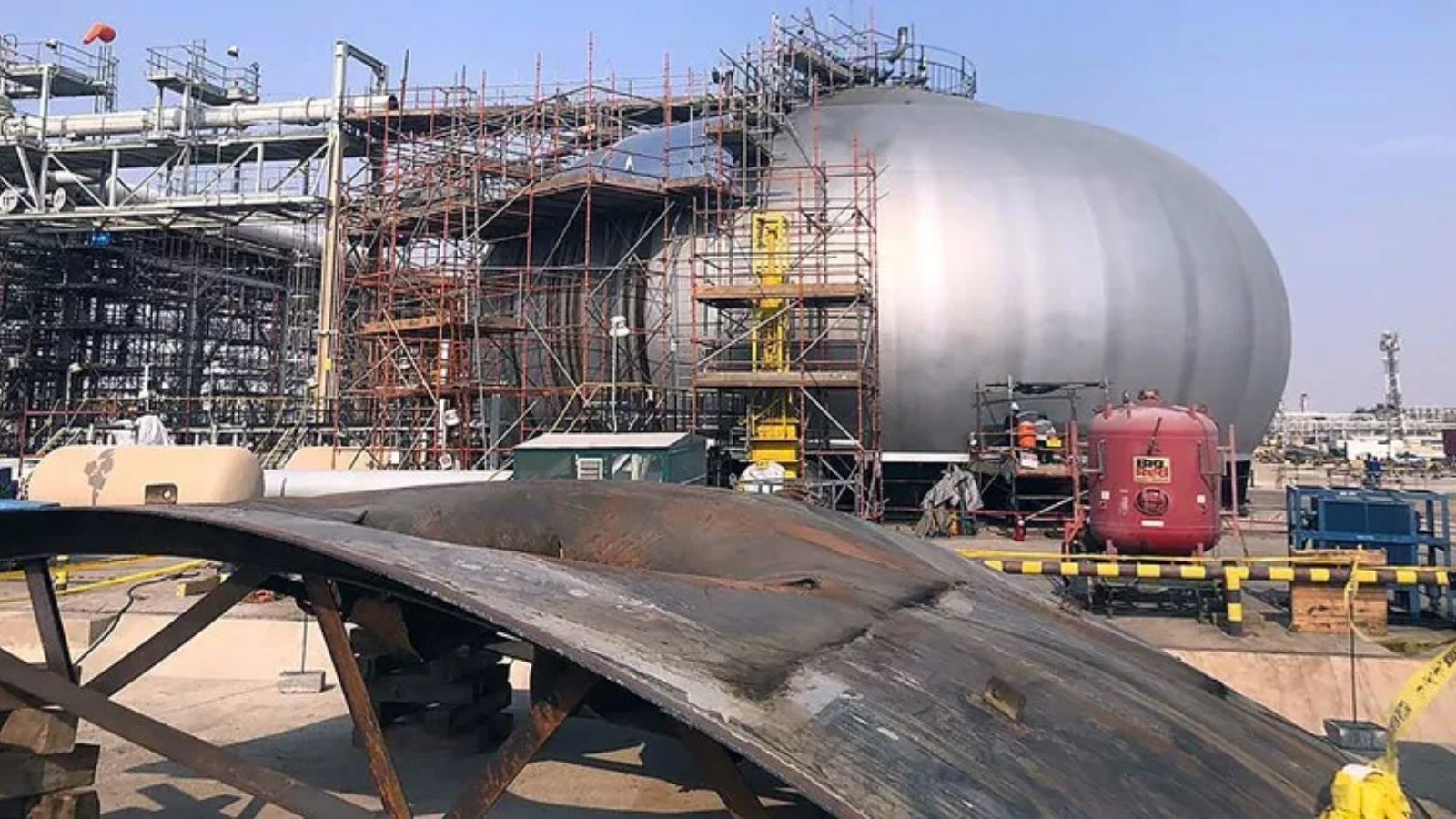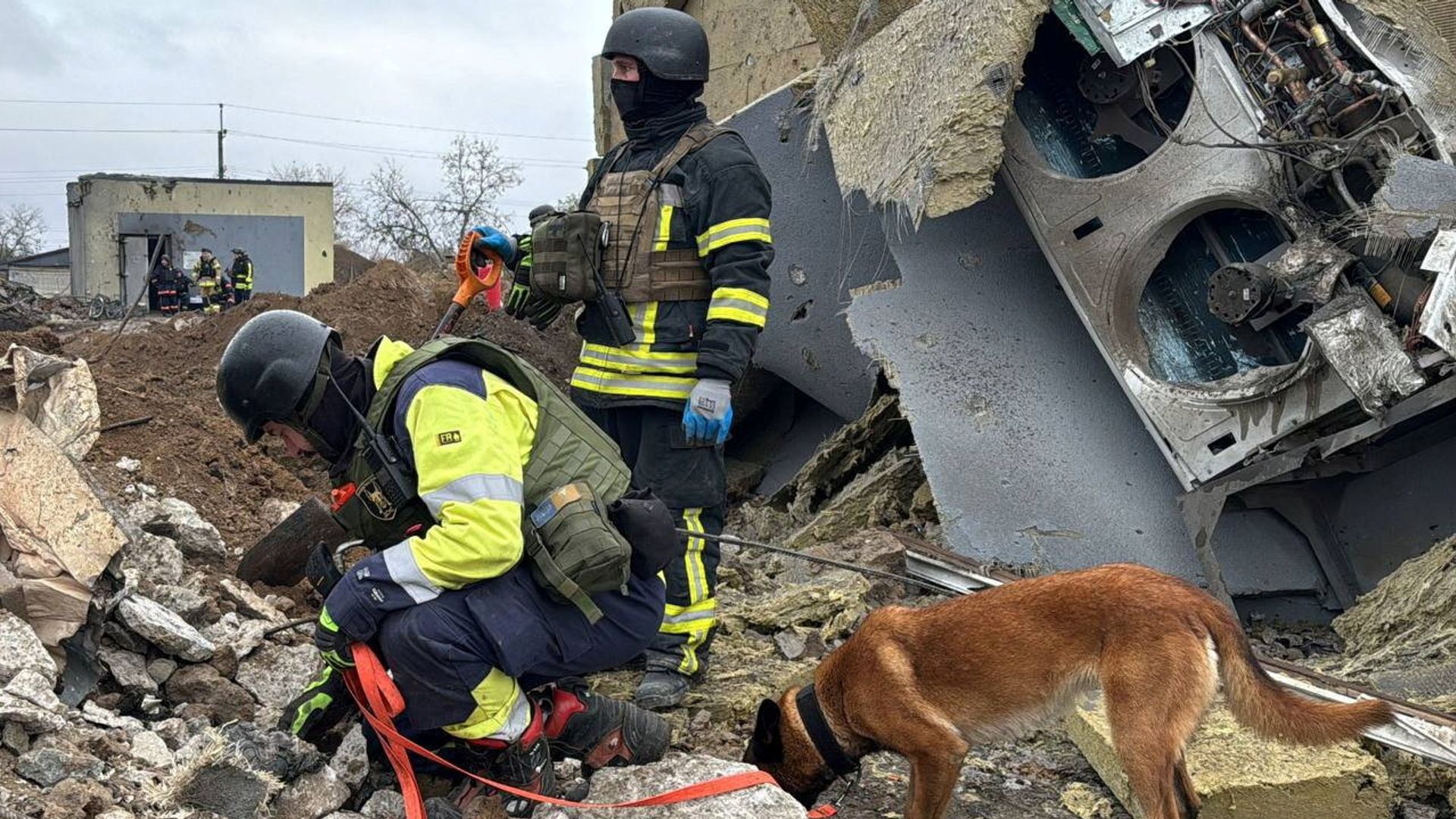
Drone warfare doesn't look like the clean, surgical video clips militaries love to release. On the ground, it's chaotic, loud, and brutally indiscriminate when debris falls or secondary strikes hit.
When reports surfaced of a Ukrainian drone attack leaving one person dead in Russia while Moscow's forces simultaneously struck emergency workers, the headlines boiled it down to a simple tit-for-tat tally. That framing misses the real story. If you actually track how long-range unmanned aerial vehicles (UAVs) are being used across the Russia-Ukraine border, you'll see a massive shift in how both sides target infrastructure, test air defenses, and put civilian first responders directly in the crosshairs.
You can't understand these incidents in isolation. Every overnight barrage tells you something specific about supply chains, air defense saturation, and the grim reality facing firefighters and paramedics on both sides of the front.
How Cross-Border Drone Strikes Actually Unfold
Most people imagine a drone strike as a single aircraft flying straight into a target and exploding. Reality is messier.
Modern long-range drone campaigns rely on saturation. An attacker launches dozens of cheap, fixed-wing drones—often modified commercial airframes or domestically built plywood-and-composite models—along staggered flight paths. The goal isn't always for every drone to hit a refinery or an electrical substation. Half the time, the point is forcing the defender to burn expensive surface-to-air missiles and reveal where their radar batteries are hiding.
When air defenses engage those drones over populated regions, gravity takes over. Even a successful interception sends burning metal, unspent fuel, and high-explosive warheads tumbling toward streets, apartment roofs, and highways. In many cross-border incidents inside Russian border oblasts like Belgorod, Kursk, or Rostov, fatalities happen because falling wreckage hits a vehicle or a residential building after an air defense battery scores a hit.
Honestly, the distinction between a direct hit and falling debris matters very little to the families on the ground. It matters a great deal, though, to military analysts trying to figure out whether Kyiv's long-range strike capabilities are improving in accuracy or simply growing in volume.
Why Emergency Workers Keep Getting Hit
Look closely at the second half of those headlines—Moscow striking emergency workers. That isn't an accident, and it isn't new.
In military jargon, hitting a location once and then striking it again 15 to 30 minutes later is called a double-tap strike. It's one of the ugliest tactics in modern conflict. The first explosion draws firefighters, ambulance crews, and police to the rubble to pull out survivors. The second strike hits the exact same coordinates while those crews are exposed in the open without armor or overhead cover.
Human rights monitors, including the United Nations Human Rights Monitoring Mission in Ukraine, have documented dozens of instances where Ukrainian State Emergency Service (DSNS) personnel were killed or wounded in follow-up strikes. Under the Geneva Conventions, medical personnel and civil defense workers are explicitly protected. Targeting them—or launching repeated strikes into a rescue zone knowing civilians and paramedics have rushed in—violates international humanitarian law.
Why does it happen anyway? Because from a cold, tactical perspective, emergency crews keep cities functioning. When firefighters extinguish a blaze at a power substation or fuel depot within two hours, the infrastructure gets repaired in days instead of weeks. By targeting the responders, an attacker tries to paralyze the entire emergency response system, forcing rescue teams to wait hours before approaching a blast site while fires burn unchecked.
The Asymmetry Between Deep Strikes and Frontline Terror
If you compare how Kyiv and Moscow conduct these operations, you'll notice two very different strategic problems.
Ukraine doesn't have massive stockpiles of long-range ballistic missiles with unrestricted permission to hit deep inside Russian territory. Instead, Ukrainian engineers built a cottage industry of long-range strike drones capable of traveling 500 to 1,000 kilometers. They aim almost exclusively at strategic economic and military targets—oil refineries, ammunition depots, military airfields, and radar stations. When a civilian dies in Russia during one of these raids, it's typically the byproduct of air defense interceptions over urban areas or electronic warfare jamming knocking a drone off course.
Russia operates with a completely different arsenal. Moscow combines Iranian-designed Shahed-type drones with heavy ballistic and cruise missiles like the Iskander-M and Kh-101. Because Russia holds a massive advantage in heavy munitions, it regularly hits apartment blocks, markets, and power grids inside Ukrainian cities, followed by secondary strikes aimed at first responders.
Here's what the data consistently shows across monitoring reports from organizations like the Armed Conflict Location & Event Data Project (ACLED)
- Strike volume is climbing. Both sides have ramped up domestic drone production to thousands of units per month, turning overnight air alerts into a permanent background noise of the war.
- Electronic warfare changes the math. Heavy GPS spoofing and radio jamming mean a huge percentage of drones never reach their intended coordinates, crashing unpredictably miles away from military sites.
- First responders bear the highest non-combatant risk. Firefighters in cities like Kharkiv, Odesa, and Kherson now wear ballistic vests and helmets on routine calls, and they frequently have to abandon burning buildings mid-rescue when air raid sirens signal an incoming follow-up wave.
What Most News Reports Get Wrong About Drone Casualties
If you read standard wire copy, every drone incident sounds identical. A governor posts on Telegram, claims all drones were shot down, and then admits "falling debris" caused a fire or a fatality.
You have to read regional official statements with extreme skepticism. On the Russian side, local governors almost never admit a drone hit its actual military or industrial target. Claiming a fatality came from "debris" serves two purposes—it makes local air defenses look competent, and it frames Ukraine as an aggressor targeting civilians rather than fuel depots.
On the flip side, independent open-source intelligence (OSINT) analysts cross-reference those exact Telegram posts with satellite imagery from NASA's FIRMS fire-mapping system and local social media videos. Time and again, when an official claims "debris caused a grass fire," satellite thermal anomalies show a massive blaze inside an oil tank farm or an electrical switchgear yard.
At the same time, you shouldn't ignore genuine civilian casualties on either side. War doesn't respect neat moral boundaries. When air defense systems operate inside densely populated cities—whether that's Kyiv, Belgorod, or Moscow—innocent people get caught in the middle. Acknowledging that reality doesn't equate the aggressor with the defender; it just keeps your understanding of the conflict grounded in physical facts rather than press releases.
How to Verify Cross-Border Strike Reports Yourself
When breaking news hits about a drone attack or a strike on emergency crews, the first three hours of coverage are usually full of fog, propaganda, and recycled footage from previous years. If you want to know what actually happened without getting misled by state media or partisan accounts, follow a strict verification routine.
- Check thermal satellite data. Use NASA's Fire Information for Resource Management System (FIRMS) to see if large heat signatures appeared at the reported location overnight. Real industrial or infrastructure hits show up clearly on infrared passes.
- Look for geolocated video, not screenshots. Reliable OSINT trackers match distinct rooflines, streetlamps, and terrain features in smartphone videos against Google Earth or Yandex Maps before confirming a strike location.
- Separate initial Telegram claims from midday updates. Regional officials routinely undercount damage at 6 AM and quietly revise casualty or infrastructure numbers once daylight reveals the extent of the fire.
- Watch for double-tap indicators. Check the timestamps of air raid alerts and emergency dispatches. When two alerts hit the exact same district 20 to 40 minutes apart, first responders were almost certainly in the blast zone during the second impact.
Cross-border drone warfare has permanently changed how modern conflicts touch civilian life. Until air defenses become cheap enough to stop saturation swarms without raining shrapnel onto city streets, both ordinary residents and the emergency crews trying to save them will remain on the front line.