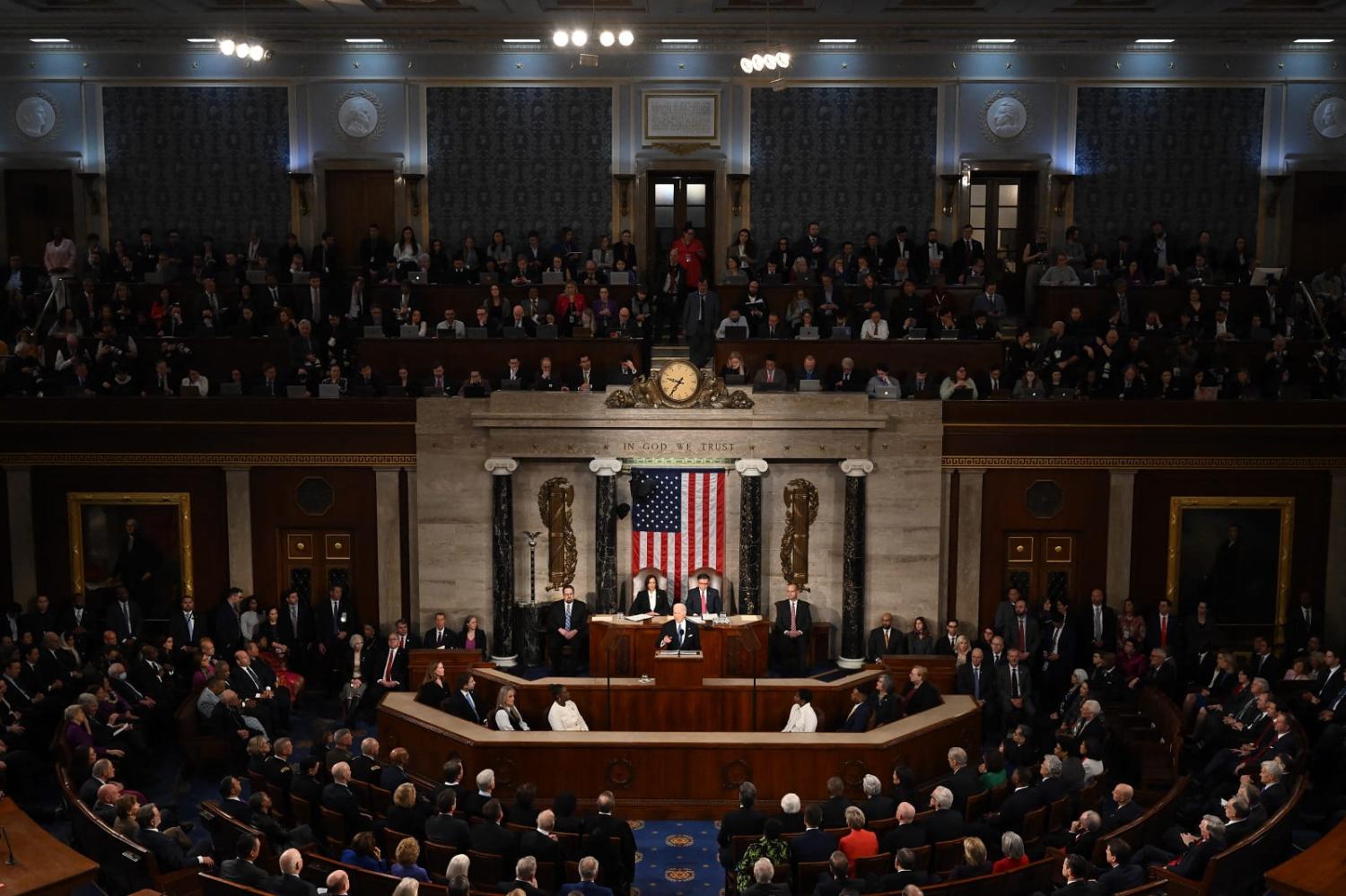
Congress thinks they are hunting a wolf. They believe they are investigating a reckless broker that gamified poverty and lured the "dumb money" into a slaughterhouse. They are wrong. They aren’t hunting a wolf; they are yelling at a mirror.
The standard narrative—the one you’ve read in every legacy financial rag—is that Robinhood is the villain of the meme-stock era. Critics argue that by removing "friction" from trading, Robinhood broke the market. They say Congress "picked on the wrong brokerage" because Robinhood was just the messenger for a new generation of retail power.
That’s a fairytale. The real scandal isn’t that Robinhood "democratized" finance. The scandal is that they commodified the retail investor and sold the carcass to the very institutions they claimed to be disrupting. If Congress wanted to actually protect the American public, they wouldn't be questioning UI design or confetti animations. They would be questioning the entire plumbing of the American market that makes a company like Robinhood possible.
The Myth of the Wrong Victim
Let’s dismantle the "lazy consensus" first. The idea that Robinhood is a victim of Congressional overreach is laughable. When the House Committee on Financial Services hauled Vlad Tenev in for questioning, they were looking for a scapegoat for a systemic failure.
The industry defenders say Robinhood was "unfairly targeted" because they were forced to halt trading on GameStop ($GME$) due to NSCC deposit requirements. They claim Robinhood was a victim of its own success.
Wrong.
Robinhood wasn't a victim of growth; it was a victim of a fragile capital structure designed for a bull market that never expected the "basement dwellers" to actually coordinate. The "wrong brokerage" argument suggests Robinhood is a misunderstood innovator. In reality, it is a high-frequency trading (HFT) data farm disguised as a colorful app.
When you trade for "free," you are not the customer. You are the product. Specifically, your order flow is the product.
The Payment for Order Flow Lie
The term "Payment for Order Flow" (PFOF) is a euphemism. It sounds like a boring back-end accounting trick. In practice, it is the systematic selling of your intentions to the highest bidder before you even realize you’ve made a mistake.
Bernie Madoff—yes, that Bernie Madoff—is often credited with pioneering PFOF. That should tell you everything you need to know about its ethical DNA. Companies like Citadel Securities and Virtu Financial pay Robinhood hundreds of millions of dollars to see what you are buying before the trade is finalized.
Why? Because retail money is "uninformed." In the jargon of market makers, retail flow is "low toxicity." It’s easy to bet against because, on average, the retail trader is wrong, late, or both.
By selling this flow, Robinhood guarantees that its users get a price that is "good enough" while the middleman skims a fraction of a cent off millions of trades. Over time, that "fraction" builds the skyscrapers in Chicago and New York that retail traders think they are toppling.
If Congress were serious, they would ban PFOF tomorrow. But they won't. Why? Because the entire "no-fee" brokerage ecosystem would collapse, and the optics of "making it more expensive for the little guy to trade" would lose them votes.
Gamification Is a Distraction
The media loves to talk about the confetti. They love to talk about the "casino-like" interface. This is a distraction.
Casino-like interfaces exist because the business model requires high-velocity trading. Robinhood doesn't make money if you buy an S&P 500 index fund and hold it for thirty years. They make money when you churn your account. They need you to trade options—specifically out-of-the-money calls—because the PFOF rates on options are significantly higher than on equities.
The math is brutal. For every dollar of equity traded, the broker might make a few cents in PFOF. For every options contract, that revenue can jump five to ten times.
Robinhood didn't "gameify" trading to make it fun. They did it to drive the specific type of high-risk, high-velocity behavior that maximizes their revenue per user. Every time a Senator asks about a "swipe to trade" feature, they are missing the point. The UI isn't the problem; the incentive structure is.
The Liquidity Trap
Critics often argue that Robinhood provides "essential liquidity" to the markets. This is the industry’s favorite shield. "If you ban PFOF or restrict retail apps, liquidity will dry up!"
This is a threat, not an analysis.
"Liquidity" in a meme-stock frenzy is a hallucination. When volatility spikes, the market makers who pay for your order flow don't have a legal obligation to keep providing "tight spreads." They can—and do—widen the gap or step away entirely when the risk becomes too high.
This is exactly what happened in January 2021. The "liquidity" promised by the modern brokerage model vanished the moment the retail crowd actually won a round. The system is designed to facilitate your losses, not your wins.
The Wrong Question: "Is Robinhood Safe?"
People always ask: "Is my money safe in Robinhood?"
That is the wrong question. Your money is likely safe from theft—SIPC insurance takes care of the basics. The real question is: "Is your edge being systematically eroded by the platform you use?"
The answer is a resounding yes.
When you use a platform that sells your data to HFT firms, you are starting every race with a five-pound weight on your ankles. You aren't getting the "best execution." You are getting the "best execution among the bidders who paid to see your hand."
If you want to trade, pay a commission. It is the only way to ensure your broker works for you and not for a billionaire in a penthouse who views your life savings as "low-toxicity flow."
Congress Is Not Your Friend
Don't mistake Congressional hearings for consumer protection. These hearings are theater.
The members of the committee are largely funded by the financial services industry. They aren't looking to fix the market; they are looking to look like they are fixing the market. By focusing on Vlad Tenev’s haircut or the specific wording of a margin call email, they avoid discussing the uncomfortable truth:
The U.S. financial system is increasingly a closed loop where the "house" (market makers and clearinghouses) always wins, and the "disruptors" (Robinhood) are just new ways to bring more suckers to the table.
The Actionable Truth
If you want to actually "beat the system," stop playing the game the way they want you to play it.
- Move to a Direct-Access Broker: If you are serious about trading, find a broker that allows you to route your own orders to specific exchanges (like IEX). Stop letting your orders be auctioned off.
- Stop Trading Options on Margin: This is where the house makes its meat. If you don't understand the Greeks or the mechanics of a margin call, you are just a liquidity provider for Citadel.
- Recognize the "Democratic" Lie: "Democratization" is the word firms use when they want to deregulate a space so they can exploit a new demographic.
The competitor's article claims Congress "picked on the wrong brokerage" because Robinhood represents the future. They are half right. Robinhood is the future—a future where the retail investor is a harvested resource, stripped of information and sold to the highest bidder in real-time.
Congress didn't pick on the wrong brokerage. They picked the right brokerage and then asked all the wrong questions because they were too afraid of the answers.
The market isn't broken. It’s working exactly as intended. You’re just not the one it’s working for.
Stop checking the confetti and start checking the plumbing. Or better yet, stop believing that an app on your phone makes you an "insider." You are the fuel in the engine, and the engine is hungry.
Get out of the furnace.


