Dawn in Bogota does not break quietly. It arrives with the roar of heavy diesel engines, the chill of Andean mist biting at the skin, and the desperate, rhythmic surge of four million commuters flooding the transit stations. They are the pulse of a city climbing upward, reaching for a future that has always felt just slightly out of reach. For decades, the promise of this metropolis has been written in traffic exhaust and stolen hours. Every morning is a test of endurance. Every evening is an exhaustion.
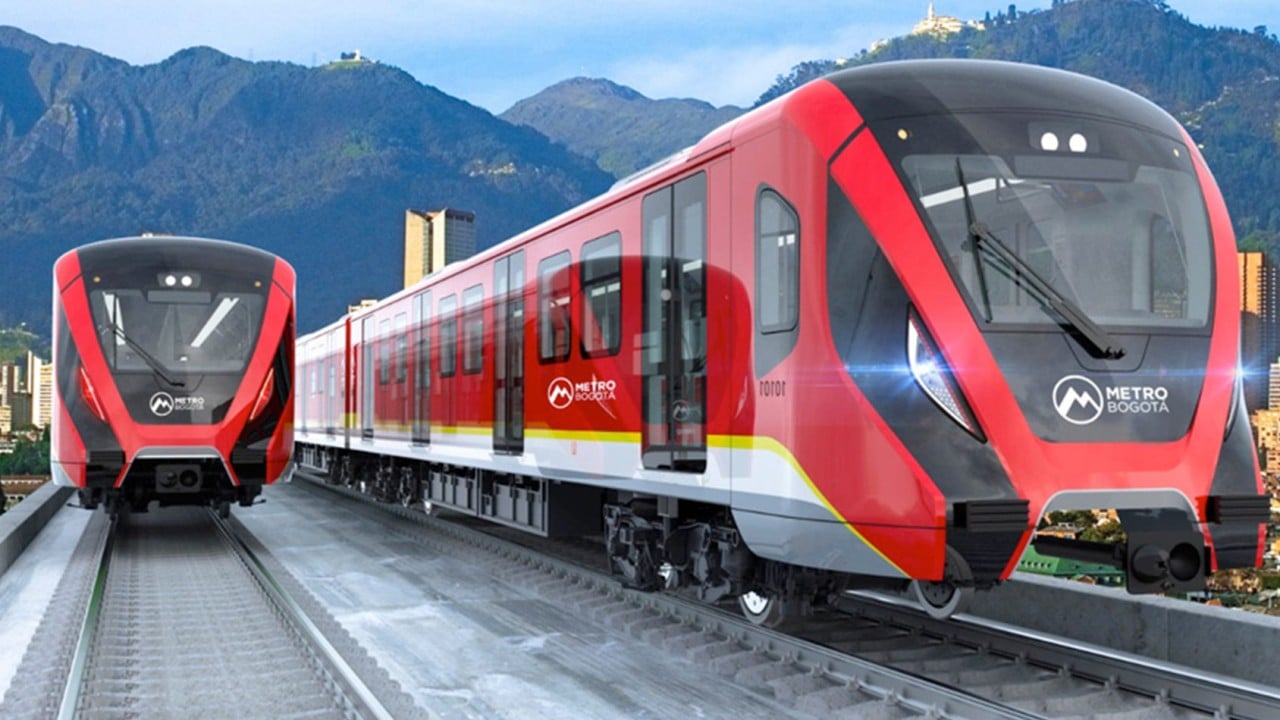
Underneath the bustling asphalt, silent darkness reigns. Here, in the damp belly of the earth, a massive steel and concrete skeleton is being forged. This is the Bogota Metro, a project whispered about for generations, now finally tearing its way through the bedrock. It is supposed to be the salvation of the daily commute.
Yet, tension hangs thick in the damp tunnel air.
Mayor Carlos Fernando Galan stands over blueprints that tell a worrying story. Auditors have flagged delays. The concrete doesn't pour itself. The tunnel boring machines do not feed themselves. Behind the polished corporate projections of the Chinese-led consortium charged with bringing this multi-billion-dollar transit dream to life, there is an alarming shortage of human hands.
Consider Mateo. He is a hypothetical welder whose real-world counterpart sweats inside a steel-toed boot 80 feet below the surface of the Avenida Caracas. Mateo knows nothing about geopolitical consortium agreements or municipal contract penalties. He knows the weight of his welding mask. He knows the screech of grinding steel. And he knows that every shift feels like an impossible race against a clock that refuses to slow down. When auditors look at spreadsheets and point to lagging timelines, Mateo sees something much simpler. There just aren't enough of them down here in the dark.
For months, municipal authorities have pressed the consortium—a powerhouse alliance featuring China Harbour Engineering Company and Xi'an Metro Company—to accelerate the pace. The demand is blunt and uncompromising: bring more workers. Put more boots on the ground, more hands on the trowels, more eyes on the safety rails.
Why does this matter so deeply? Because a delayed metro is not merely an administrative inconvenience. It is a financial hemorrhage. Every month the project slips, the economic cost compounds. Businesses lose productive hours as employees sit paralyzed in gridlock. Families lose precious evenings that should be spent together instead of trapped in the endless amber glow of taillights.
The consortium defends its progress with the cold, measured language of global engineering. Supply chains are complex. Specialized labor is scarce. Geological anomalies in the subsoil require delicate, calculated maneuvers rather than reckless speed. You cannot simply throw untrained bodies into a subterranean labyrinth of high-voltage lines and heavy machinery without courting disaster. Safety demands precision.
And yet, the mayor's office smells the familiar scent of corporate foot-dragging. Public infrastructure projects have a long, painful history of becoming bottomless pits of delay and budgetary creep. The citizens of Bogota have heard promises before. They have grown cynical through decades of stalled initiatives and political theater. They want steel rails, not excuses. They want trains that run on time, not press releases about future milestones.
The friction between the city leadership and the international builders highlights a modern global reality. Mega-projects are no longer built by local hands alone. They are intricate marriages of local political will and foreign engineering might. When cultures clash across boardroom tables, the friction eventually manifests as empty spaces on a construction site.
To walk the streets above the construction zones is to witness a society caught between patience and fury. Shopkeepers near the barricades watch their storefronts gather dust behind corrugated iron walls. Commuters dodge jagged sidewalks and jagged frustration. They accept the temporary chaos because the prize at the end of the tunnel is transformative. A functioning metro means a cleaner air, shorter days, and a city stitched back together.
But the stitching requires thread. And right now, the thread is running thin.
The pressure from City Hall is a calculated gamble. Push too hard, and you risk cutting corners where safety margins are razor-thin. Push too soft, and the project bleeds away its momentum, turning into a monument of bureaucratic sluggishness. Galan has chosen the path of confrontation, demanding accountability from a consortium that holds immense leverage.
Down in the tunnels, the machines hum. The sparks fly. The welders strike their arcs against the cold iron. They are shaping the physical reality of a capital city that refuses to stay still.
The concrete continues to dry. The auditors continue to count. And above ground, millions of pairs of eyes look toward the horizon, waiting for the day the earth finally opens up and lets them move freely through their own home.