The air in Lahore does not simply move; it settles on your skin like a wet wool blanket dipped in soot. On a Tuesday afternoon during the monsoon season, the sky turns the color of a bruised plum. You smell it before you see it: the sharp, metallic tang of overheated asphalt mixing with the ancient dust of the plains.
Meet Tariq. He is fictional only in his specific name, though he exists in duplicate across twenty million homes in Pakistan’s sprawling urban centers. Tariq runs a small stationery shop in Karachi, tucked beneath the concrete overhang of a flyover that was supposed to save the city from traffic. Instead, the flyover acts as a thermal shield, trapping the sun’s glare and radiating it back onto the pavement long after dark. You might also find this connected story insightful: The Structural Anatomy of Temporary Protected Status Expiration and Workforce Fractures.
When the rains come now, they do not arrive as a steady, nourishing gift from the clouds. They arrive as a fist.
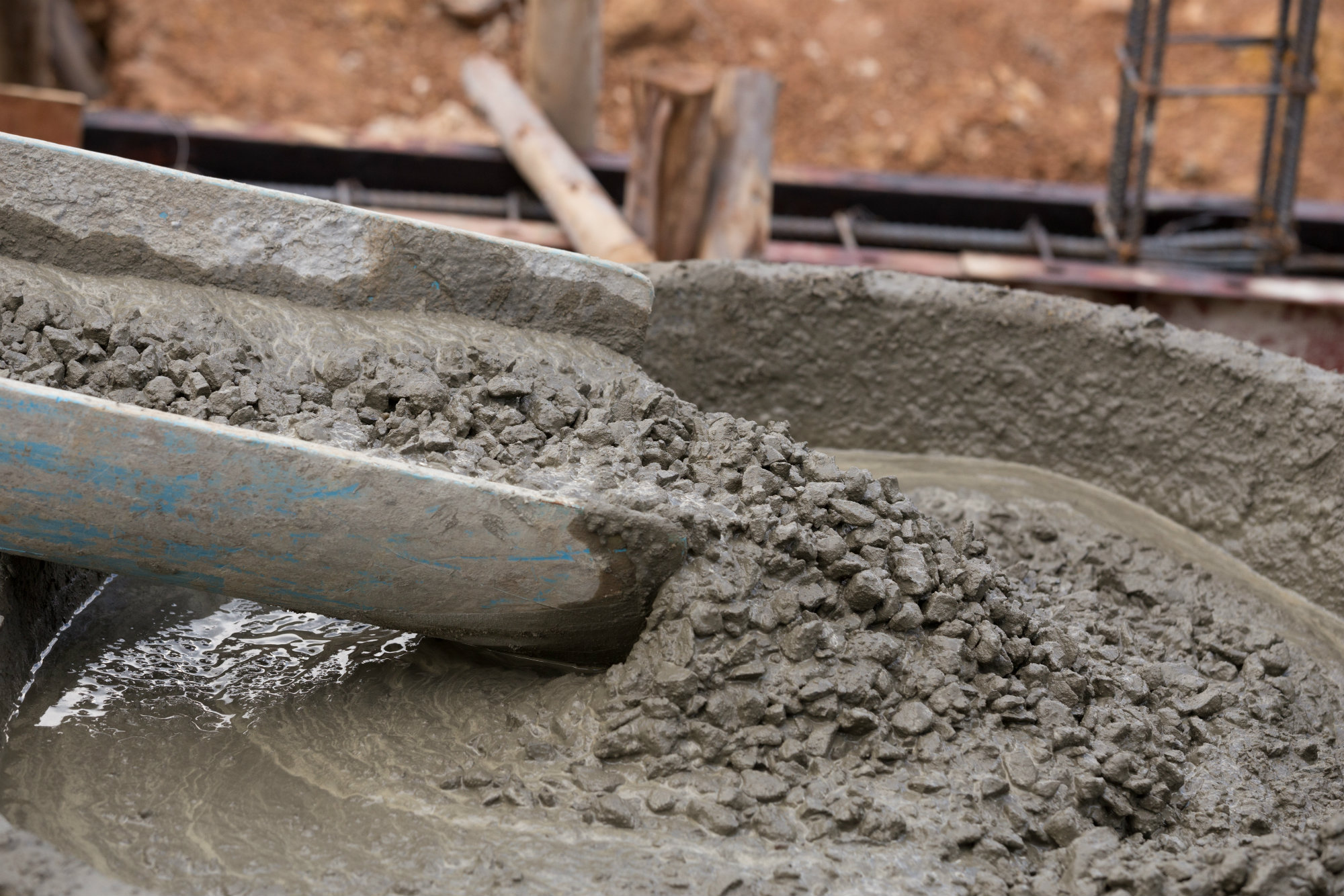
In Karachi, in Lahore, in Faisalabad, and Peshawar, the earth has been forgotten. We paved it. We poured millions of tons of concrete over ancient floodplains, sealing the soil beneath a glossy, impenetrable crust. We built glass towers that soak up the equatorial sun and air-conditioners that spit fire into the alleyways. And then we acted surprised when the water had nowhere to go. As reported in latest reports by The Washington Post, the implications are significant.
Consider what happens next: a sudden cloudburst drops three months of rain in three hours. In a natural landscape, the soil drinks. The roots absorb. The water finds its slow, meandering path to the river. But in Pakistan’s major urban centers, the city is a bowl of polished stone. The water hits the tarmac, accelerates, and turns every street into a raging, grey torrent. Tariq watches the brown tide lap against his shop's metal shutter, clutching a ledger of unpaid debts while his floorboards warp beneath rising filth.
Climate vulnerability is rarely discussed in the language of human suffering. Academics prefer indices. They talk about the Climate Risk Index, urban heat island effects, drainage capacity coefficients, and infrastructural deficits. They rank cities from bad to catastrophic. Pakistan's major cities consistently sit near the very bottom of those grim lists.
They are the least climate-resilient places on the map.
Why? Because speed outran wisdom. The urban sprawl of Karachi swallowed wetlands and mangrove creeks that once acted as natural sponges. Lahore traded its legendary shade trees for signal-free corridors and widening asphalt lanes. Every new housing society carved out of the peri-urban periphery replaced permeable agricultural land with concrete lawns and stone walls.
The heat follows the same cruel logic. On a scorching June afternoon, the temperature in the concrete canyons of central Lahore can spike several degrees higher than the surrounding countryside. This is not just uncomfortable; it is lethal. For Tariq's elderly mother, who breathes shallowly in a room with a tin roof, the night brings no relief. The walls themselves are hot. The city has become a battery, storing the day’s fury and refusing to release it.
We built these monuments to modernity, but we forgot that human beings are biological creatures, not silicon chips. We need shade. We need earth that breathes. We need water to sink, not surge.
To understand why these cities are so exposed, you have to look past the political finger-pointing and examine the architecture of our ambition. For decades, urban planning in South Asia has suffered from a profound colonial hangover combined with short-term electoral myopia. Wide roads win votes. Drainage systems buried underground do not get ribbon-cuttings. A flyover casts a long shadow on television; a restored wetland looks like empty land waiting to be grabbed by developers.
So the asphalt spreads. The green shrinks.
And the cracks in the system widen. When the floods of recent years swept across the country, the rural devastation dominated the headlines, but the urban paralysis was equally absolute. Cities are supposed to be sanctuaries during a crisis. They are supposed to hold the hospitals, the supply chains, the command centers. When the cities themselves drown in three feet of urban runoff and choke on toxic smog, the entire national skeleton snaps.
There is an uncomfortable truth here that we rarely voice out loud: we are running out of time to fix what we broke with a bulldozer.
You cannot pave your way to prosperity. You cannot out-engineer geography forever. Every cubic foot of concrete poured over a natural drainage channel is a promissory note written to the future, and the interest rate is paid in human displacement, lost livelihoods, and silent, sweltering misery.
Yet, resilience is not a lost cause. It is simply a choice we have continuously refused to make.
Imagine, instead, a different Karachi. Imagine streets lined with rain gardens rather than concrete gutters—trenches filled with native reeds and gravel that invite the water down into the aquifers rather than spitting it into living rooms. Imagine building codes that penalize glass-box architecture and mandate cool-roof coatings that reflect the sun instead of swallowing it. Imagine treating urban trees not as obstacles in the way of widening a lane, but as critical public health infrastructure, as essential as a hospital or a power grid.
The data is clear. The rankings are published. The maps are red.
Tariq rolls up his metal shutter the morning after the storm. The water has receded, leaving behind a crust of gray silt that smells of stagnant drains and industrial runoff. He takes a broom and begins to sweep. He does not know about the Climate Risk Index. He does not care about urban resilience metrics. He only knows that the sky feels heavier than it used to, the streets flood faster than they did when he was a boy, and the city he loves is slowly becoming too hot to live in.
The sun climbs over the concrete horizon, already beginning to bake the mud on the pavement into a fine, choking dust.