The asphalt outside the third-floor window had stopped being a road hours ago. By midnight, it was a skillet.
You could smell it before you looked at it—that distinct, heavy scent of baked tar and scorched rubber drifting up through the screenless window, mixing with the hum of a window unit that sounded like a propeller plane about to shake itself apart. It was September, or August, or maybe time had simply melted into a single, unending afternoon. The calendar said one thing. The thermometer nailed to the side of the porch said another, and the thermometer was winning.
Southern California does not break quietly. When the heat comes, it arrives like a wall.
Consider Elena, who lives in a second-floor walk-up in downtown Los Angeles with no cross-breeze and a landlord who considers a ceiling fan a luxury amenity. At 2:00 a.m., the air inside her apartment is eighty-eight degrees. It doesn’t move. It sits on your chest like a wet wool blanket. She has a spray bottle of tap water on the nightstand, misting her own arms every twenty minutes just to feel the illusion of sweat evaporating, though the air is already too saturated with trapped humidity to do the job.
Multiply Elena by four million.
That is what a shattered record actually looks like. It is not a neat little line on a meteorologist’s chart behind a smiling person in a suit. It is millions of glowing blue LED screens in bedrooms across the valleys and the basin, refreshing weather apps every ten minutes, hoping for a three-degree drop that never arrives. It is the hum of power grids straining against the invisible weight of every compressor, every condenser, every frantic fan pulling current from copper wires that are already expanding in the subterranean heat.
The numbers tell a brutal story, but they are cold things. Downtown LA hitting 112 degrees. Woodland Hills pushing past 115. Records that had stood since Eisenhower was in office falling by noon, smashed to pieces before the sun had even reached its zenith.
Meteorologists use words like dome and anomaly. They talk about high-pressure systems parked lazily over the Great Basin, acting as an atmospheric lid on a pressure cooker. But physics feels different when you are standing on a sidewalk in the San Fernando Valley.
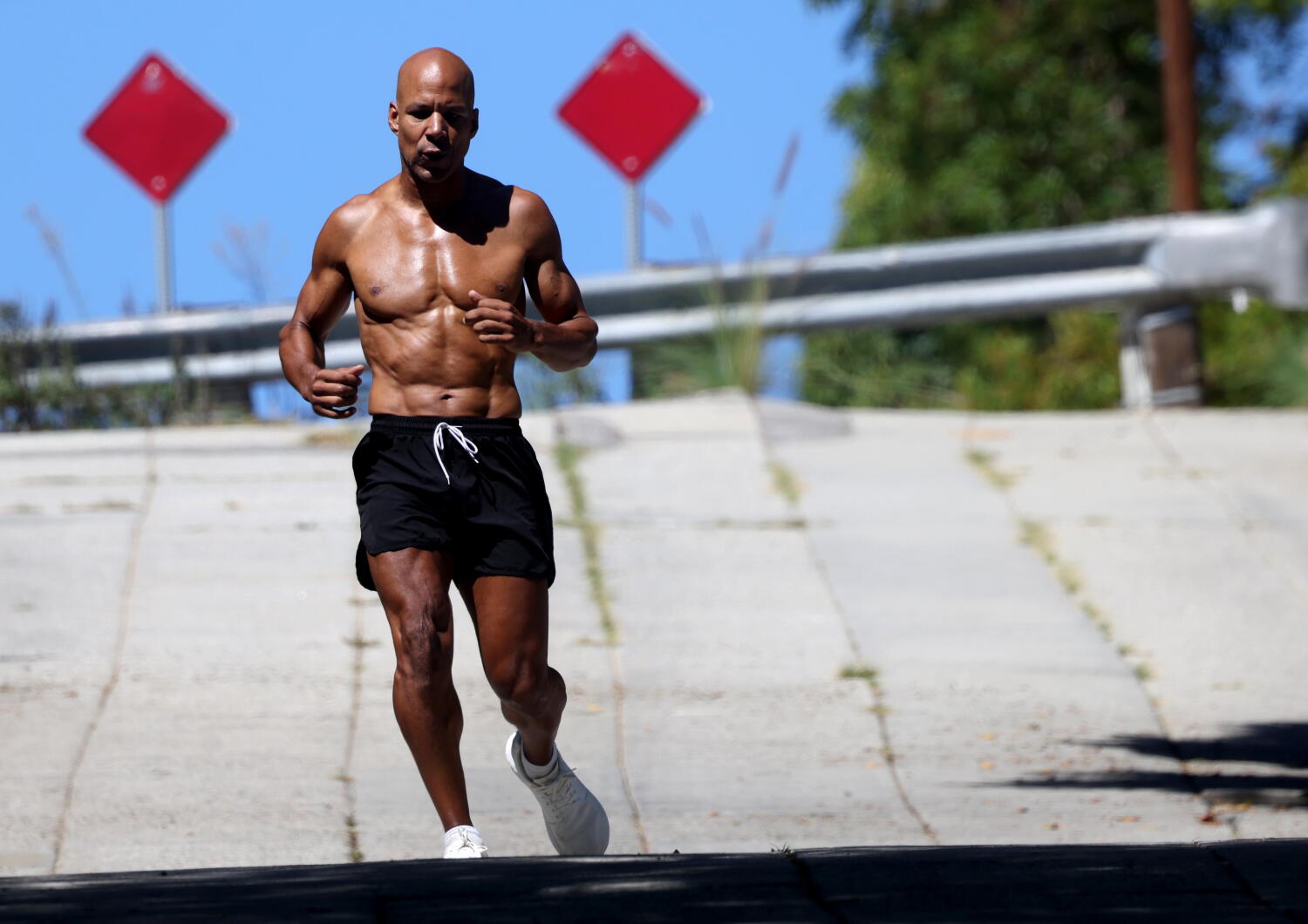
The heat changes the texture of daily life. The morning dog walk has to happen at 5:15 a.m., before the sun clears the ridge of the hills, because thirty minutes later the pavement will be hot enough to blister the pads of a golden retriever's paws. You learn to touch doorknobs with the back of your hand before turning them. You watch the elderly neighbor down the hall with a quiet, persistent vigilance, checking to see if his porch light is on, wondering if his swamp cooler finally gave up the ghost.
This is the hidden cost of the new baseline.
We talk about climate as if it’s something happening out there—in the ice sheets, in the distant forests, on a screen at the end of the evening news. But a heat wave like this forces intimacy. It makes the city itself feel hostile, a concrete organism that absorbed all sunlight during the day and refuses to let go of a single calorie of it at night.
By sunrise, the sky doesn't look blue. It looks white, bleached out by the sheer volume of particulate matter and trapped exhaust baking in the stagnant bowl of the basin. The morning commute isn't just traffic; it’s a slow-moving steel toaster oven where millions of drivers stare at digital temperature gauges climbing past 100 degrees before the coffee cup is even empty.
Air conditioning ceases to be a convenience. It becomes a dividing line. On one side are those tucked away in heavily insulated homes with central climate control, watching the numbers tick up with detached clinical interest. On the other side are the kitchen workers standing over ten-hour grill shifts, the field laborers bent over rows of crops while the air shimmers three feet off the dirt, and the tenants in 1920s courtyard apartments where the brick walls absorb the day's fury and radiate it back inward until midnight.
The misery is far from over, the headlines warn.
That phrasing sounds like a weather report, but it’s really an endurance test. It’s a reminder that we are tethered to systems—electrical, physiological, architectural—that were built for a climate that no longer exists. Every time a transformer blows in a suburban cul-de-sac, plunging three hundred homes into darkness and sudden, suffocating quiet, we catch a glimpse of the seam coming undone.
We adapt, because we have to. We move our lives earlier and later, squeezing our routines into the fragile, fleeting hours between midnight and dawn. We learn the locations of public cooling centers the way past generations learned bomb shelters. We look at each other across grocery store aisles with a shared, exhausted recognition.
And then the sun goes down, but the concrete doesn't cool. The night air stays thick, heavy, and hot, waiting for another morning that will break the mold all over again.