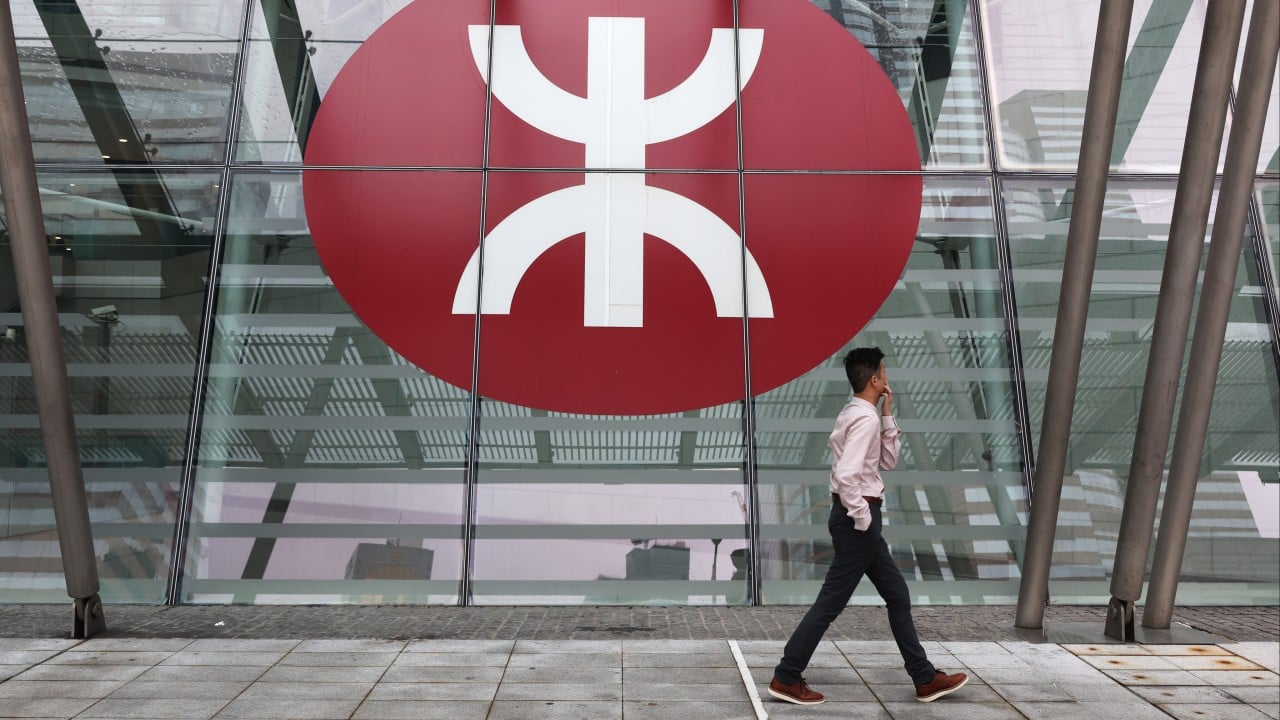
The train arrives precisely at eight-fourteen. It always does. You can set your watch by the hum of the alternating current, the precise shriek of steel wheels biting against a curved track deep beneath the granite spine of Hong Kong Island. Millions step inside every single day. They swipe their cards with a practiced flick of the wrist, stare into illuminated glass rectangles, and surrender their bodies to a subterranean gravity that pulls them from the damp shadow of the New Territories straight into the blazing glass canyons of Central.
Most people never look up. Most people never ask where the money goes.
They just pay the fare. Three dollars here. Five dollars there. A continuous, microscopic bleeding of small change from eight million pockets into a vast, silent vault. But last year, that small change multiplied into something terrifyingly massive.
MTR Corporation posted a net profit of 15.87 billion Hong Kong dollars.
That number is too large to picture. It is a telephone number of wealth, more than double what the company pulled in the previous year. It sounds like an oil strike in the desert or a tech monopoly discovering a new tax loophole. Yet this windfall did not come from crude oil or social media algorithms. It came from concrete, glass, and the vertical ambition of a city built entirely on top of its own transit system.
To understand how a subway operator prints billions while the rest of the commercial world stumbles, you have to look at a concept the company mastered decades ago: the rail plus property model.
Imagine you own a sprawling patch of empty dirt at the edge of the sea. Nobody lives there. Nobody goes there. To make a subway line profitable, you need passengers. But to get passengers, you need people living there. Traditional governments build the transit line first, lose a fortune for thirty years, and wait for neighborhoods to slowly sprout around the stations.
Hong Kong did something radically different.
They gave the transit company the development rights above the future stations before a single track was laid.
Consider what happens next. The MTR Corporation plans a new railway line into the hazy green hills of an undeveloped district. Before they drop a single ton of ballast, they acquire the land rights directly above where the terminal will sit. They partner with private developers. They pour foundations deep into the earth, anchoring residential towers and massive shopping malls directly onto the roof of the train station.
By the time the first commuter buys a ticket, the apartments above them have already sold out for millions of dollars each.
This is not a transportation company. This is a real estate titan disguised as a subway system.
For years, that engine hummed predictably. Then the pandemic hit. The world locked its doors. Tourism flatlined. The bustling shopping malls above the stations turned into echoing, hollow caverns where security guards stood alone under flickering fluorescent tubes. Patronage plummeted. For a brief, dizzying moment, the infallible machine stumbled. The profits shrank, and the public breathed a quiet sigh of relief, thinking even the giants could bleed.
They forgot how the machine was built.
When the borders cracked open again and the global tide of movement returned, the property market unfurled its backlog. Major residential projects completed their construction cycles. Units were handed over. Sales revenue that had been locked in concrete and bureaucratic delays suddenly flooded the ledger sheets in a massive, compensatory wave.
Property development profit skyrocketed to over ten billion dollars alone. The trains carried the people, yes, but the real estate carried the balance sheet into the stratosphere.
Numbers on a financial report are cold. They do not sweat. They do not stand on a crowded platform during a torrential monsoon, waiting thirty minutes because of a signal failure. They do not capture the exhaustion of a cleaner scrubbing grease off a turnstile at three in the morning.
Take Mr. Wong.
(Note: Mr. Wong is a hypothetical composite character, constructed from interviews, public transport worker profiles, and urban behavioral studies to represent the frontline workforce of the network.)
Mr. Wong has spent twenty-eight years maintaining the signaling cables beneath Kowloon. His hands are permanently stained with industrial grease, skin calloused from wrestling heavy copper wires in cramped tunnels where the air smells of ozone and old dust. When he reads in the morning paper that his employer cleared nearly sixteen billion dollars, he does not feel rich. He feels tired.
He knows that the profit is a monument to efficiency, but he also knows the human cost of that efficiency. Every sparkling mall perched above his tunnels requires air conditioning units that hum day and night. Every luxury apartment tower requires water pressure, elevator maintenance, and security patrols. The system expands outward and upward, heavier and more complex, resting on the tired shoulders of workers who fix the invisible infrastructure while the city sleeps.
The public views the MTR through a dual lens of fierce pride and simmering resentment. On one hand, the trains are undeniably world-class. They run with a punctuality that makes New York and London look like tragic comedies. Clean, fast, air-conditioned, and ubiquitous. You can cross an entire territory in forty minutes for less than the price of a cheap lunch.
On the other hand, the company operates as a quasi-monopoly with a captive audience. When fare adjustments are calculated, citizens groan. When property prices in the stations' towers soar out of reach for the younger generation, young couples stare at the floor-to-ceiling glass windows of the Lohas Park developments with quiet despair, knowing the subway that brought them there is also the reason they can never afford to live above it.
The 15.87 billion dollar profit is a mirror reflecting the fundamental paradox of modern urban design.
To build a sustainable city, public transport must pay for itself. Taxpayers refuse to foot endless subsidies for rail networks, meaning transit operators must find creative ways to generate revenue. Hong Kong solved this puzzle better than any city on earth. They made the subway self-funding by turning every station into a high-rise anchor of commerce.
Yet, when self-funding turns into hyper-profiting, the question of civic duty arises. Does a corporation owned in majority by the government have a primary obligation to its shareholders to maximize returns, or to the public to keep the cost of living within reach?
The financial reports do not answer this. They simply list the numbers in neat, orderly columns.
Down in the tunnels, the rumble never stops. The trains brake, doors slide open with a familiar chime, and a fresh wave of humanity pours out onto the platform. They walk briskly past luxury storefronts, beneath apartment towers that touch the clouds, funded by a masterclass in urban economics that few of them will ever fully understand.
The machine keeps running. The profits are banked. And somewhere in the dark beneath the granite, the rails stay hot, carrying the weight of a city that never stops climbing.