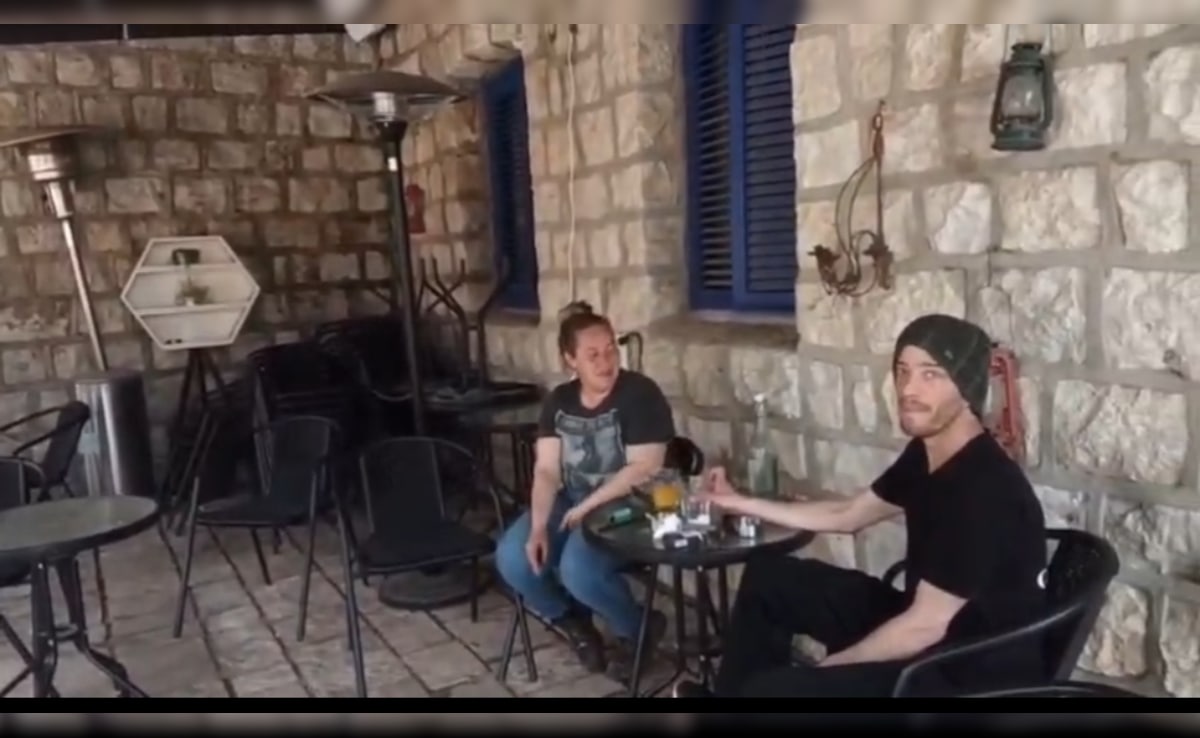
The sound of an espresso machine shouldn't be a radical act. But when you’re standing in a small cafe in a town where the sky often screams with sirens, that hiss of steam feels like a middle finger to chaos. I’ve seen how conflict strips away the layers of a normal life until all that’s left is the bare bone of survival. People think survival is just food, water, and shelter. It isn't. Survival is the ability to sit in a plastic chair, hold a ceramic mug, and talk about the weather while the world outside feels like it’s ending.
In the border towns near the Gaza strip and along the northern edge of Israel, businesses didn't just close because of the danger. They closed because the soul of the community was evacuated. Yet, a few stubborn owners decided to stay. They kept the grinders running even when the customers were soldiers instead of neighbors. This isn't just about small business economics. It's about the psychology of defiance in a war zone.
The Morning Ritual as a Weapon
Most people think of war zones as places of constant movement or static silence. They forget the boredom. They forget the need for a "third space" that isn't home or a foxhole. When a coffee shop in a place like Sderot or Kiryat Shmona stays open, it provides a psychological anchor. It tells the residents who stayed—and the soldiers passing through—that the timeline of "normal life" hasn't been completely severed.
You don't go there just for the caffeine. You go there because the smell of roasted beans is the opposite of the smell of smoke. It's a sensory reset. I've talked to people who live in these areas, and they’ll tell you that seeing an open door at a local cafe does more for their mental health than a dozen government pamphlets on resilience. It’s a physical manifestation of "we’re still here."
Economics of the Impossible
Running a business under fire is a nightmare. Let's be real. Your supply chains are broken. Your staff has likely been called up for reserve duty. Your insurance probably doesn't cover "direct hit by rocket while making a latte."
- Staffing gaps: Owners often work 18-hour shifts because they're the only ones left.
- Inventory hurdles: Delivery drivers are understandably hesitant to enter high-risk zones.
- The Customer Shift: Instead of local families, the clientele becomes a mix of weary reservists and foreign journalists.
These shops aren't making a killing. Most are barely breaking even, supported by thin margins and the occasional donation or government grant that arrives three months too late. They stay open because if they close, the town feels dead. And once a town feels dead, it’s much harder to bring it back to life later. The financial cost of staying open is high, but the social cost of closing is higher.
Why We Cling to the Routine
There’s a specific kind of "gallows humor" you find in these cafes. You’ll see a guy with an M16 slung over his shoulder arguing with the barista about whether the oat milk is frothy enough. It’s absurd. It’s almost funny. But that absurdity is a shield.
When you lose control over your safety, your schedule, and your future, you double down on the things you can control. You can control how you take your coffee. You can control which table you sit at. This is what psychologists call "agency." In a war zone, agency is a rare commodity. The coffee shop serves it by the cup.
It reminds me of historical accounts from London during the Blitz or Sarajevo in the nineties. The places that stayed open—the theaters, the bakeries, the cafes—became the heartbeat of the resistance. Not the military resistance, but the human one. The refusal to let the conflict dictate every single second of your existence.
The Community Hub Without a Community
What happens when most of your town is evacuated? You’d think the shop would be empty. It’s not. It becomes a command center. It’s where the remaining volunteer security squads meet. It’s where the people checking on elderly neighbors swap info. It’s where the history of the town is being preserved in real-time conversations.
Owners in these areas aren't just making drinks. They’re acting as unofficial therapists, news hubs, and community anchors. They know who stayed, who left, and who needs a check-in. They’ve turned their businesses into a public service, often at great personal risk.
Hard Truths About the Long Haul
We shouldn't romanticize this too much. It's exhausting. The "hope" people talk about is often tempered by sheer, grinding fatigue. After months of conflict, the novelty of defiance wears off, and you're just left with a struggling business in a dangerous place.
The reality is that many of these shops will eventually fold if the conflict doesn't stabilize. The "cupful of hope" narrative is great for a headline, but it doesn't pay the electricity bill when the town's population is down by 80%. Supporting these businesses requires more than just a pat on the back; it requires actual economic intervention and people willing to make the drive once things settle down.
If you want to see what actual grit looks like, don't look at a politician's speech. Look at the person cleaning the milk wand while the iron dome intercepts a rocket overhead. That’s where the real story is.
The next time you walk into your local shop, think about the silence. Think about what it would take for you to keep that door open if the street outside was empty and the sirens were loud. It takes a specific kind of stubbornness to believe that a cup of coffee still matters when the world is on fire. But it does. It really does.
Go find a way to support small businesses in high-conflict zones. Whether it's through buying their products online or visiting when safety permits, your money is a vote for their survival. Don't just read the story. Be part of the reason the doors stay open.