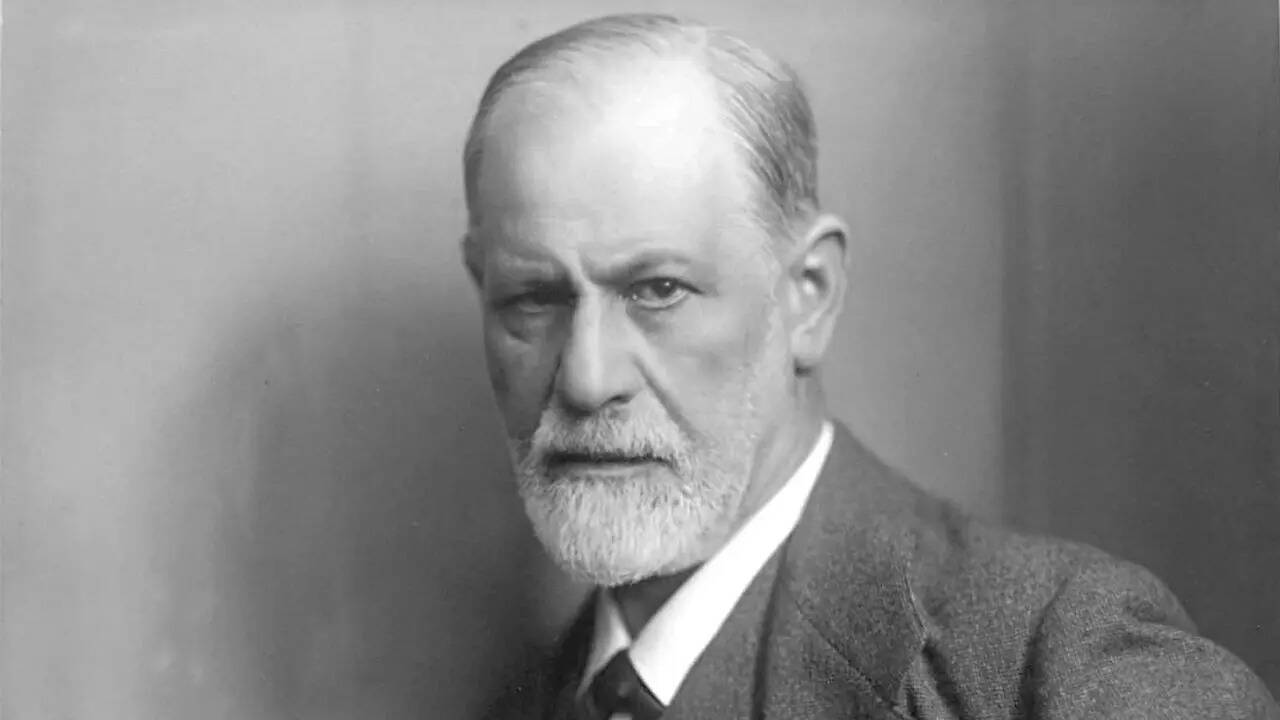
Sigmund Freud famously suggested that humanity harbors a secret aversion to absolute liberty, fearing the heavy burden of responsibility that inevitably follows. This is not mere cynicism. It is a diagnosis of a psychological architecture that prioritizes safety over agency. While we champion the rhetoric of independence, our actions frequently reveal a desperate search for structures, leaders, and dogmas that can make decisions for us.
The discomfort with autonomy is not a glitch in human programming. It is the default setting. When individuals lack clear instructions or external constraints, they experience a specific type of anxiety that experts often refer to as existential paralysis. Without a set path, the weight of choosing becomes suffocating. We are conditioned from childhood to look upward—to parents, teachers, and superiors—for the criteria of success. As adults, this translates into an enduring hunger for frameworks that strip away the need for genuine self-governance.
The Architecture of Voluntary Servitude
Consider the office environment. An employee might grumble about the rigidity of corporate protocols or the overbearing nature of a manager. They express a desire for more creative freedom and fewer directives. Yet, when that same individual is placed in a position of complete autonomy, panic often sets in. Without a boss to blame for failure or a clear rulebook to reference, the individual is forced to own their outcomes. The prospect of being solely responsible for one's failures is far more terrifying than the drudgery of following orders.
This phenomenon explains the popularity of movements that provide rigid social codes. Whether in political echo chambers or restrictive professional hierarchies, people flock to entities that offer them a ready-made moral or strategic framework. These groups do not just ask for loyalty; they offer relief from the labor of thinking for oneself. They promise that if you follow the doctrine, your path is secured. The fear of responsibility is the glue holding these structures together.
The Illusion of Agency
We mistake choice for freedom. The modern market thrives on this confusion. When we walk into a supermarket, we are presented with forty different brands of cereal. We believe this represents a high degree of autonomy. It does not. It is simply a managed selection within a predefined ecosystem. Choosing between cereal brands requires zero responsibility for the state of the world or one’s own existence.
True freedom involves the capacity to define one’s own values and accept the consequences of those values in the face of uncertainty. That is a heavy ask. Most people would prefer the safety of a narrow corridor over the daunting expanse of an open field. The comfort of a predictable life, even one that feels stifling, is bought at the price of our own development.
Why We Avoid Owning Our Choices
The psychological cost of responsibility is high because it destroys the victim narrative. If I am the architect of my life, I cannot blame the economy, my upbringing, or the government for my lack of progress. I am left with no one to point to when the results are subpar. This is why people avoid it. It is much easier to be a passenger on a ship steered by someone else than to be the captain who will be blamed if the vessel strikes a reef.
Take a hypothetical example of an investor who follows the advice of a popular financial guru. If the market crashes and they lose their savings, they can direct their rage at the guru. If they had conducted their own research and invested based on their own analysis, the failure would be entirely theirs to bear. The relief found in outsourcing blame is a powerful drug. It creates an addiction to external validation and guidance.
The Cost of True Liberty
Embracing genuine responsibility is not a state of bliss. It is a state of constant, low-level agitation. You are perpetually aware that your choices are molding your reality. You must navigate the fact that every "yes" is a "no" to something else, and you are the only one accountable for the trade-off.
This is where society often fails. We do not train individuals to handle the weight of autonomy. We teach them to be reliable cogs, to pass tests, and to follow procedures. We cultivate competence within systems, but we rarely cultivate the internal fortitude required to stand outside of them. When these individuals reach a point where they are expected to lead or to act independently, they are ill-equipped for the pressure.
Resisting the Pull of Easy Answers
The tendency to shy away from freedom manifests in how we engage with information. We gravitate toward sources that confirm our biases because that confirmation acts as a shield against complexity. Engaging with information that challenges your worldview requires the responsibility of reassessment. It demands that you confront the possibility that you were wrong.
The path to maturity is marked by the gradual acceptance of this burden. It begins with the realization that nobody is coming to save you and that the structures you have relied upon are often as confused and frightened as you are. Once you accept that the authorities, the gurus, and the institutions are merely improvised defenses against the chaos of reality, the need for them begins to dissolve.
You stop looking for a leader and start looking for clarity. You accept that mistakes will occur and that they are the only honest evidence of an independent life. You stop seeking the comfort of a pre-written script and start writing your own, fully aware that the pen is heavy and the ink can never be erased. Freedom is not the absence of pressure; it is the courage to stand directly beneath it. The moment you stop asking for permission to be effective is the moment you begin to live, rather than merely exist.