Big Tech wants you to believe that the explosive growth of artificial intelligence is an unstoppable, invisible cloud floating somewhere out in the ether. It isn't. It sits on the ground in massive, windowless concrete warehouses that swallow unfathomable amounts of electricity and water.
For a long time, tech companies built these monoliths wherever they pleased. Local governments, blinded by promises of modernization, usually rolled out the red carpet. But the tide is turning rapidly.
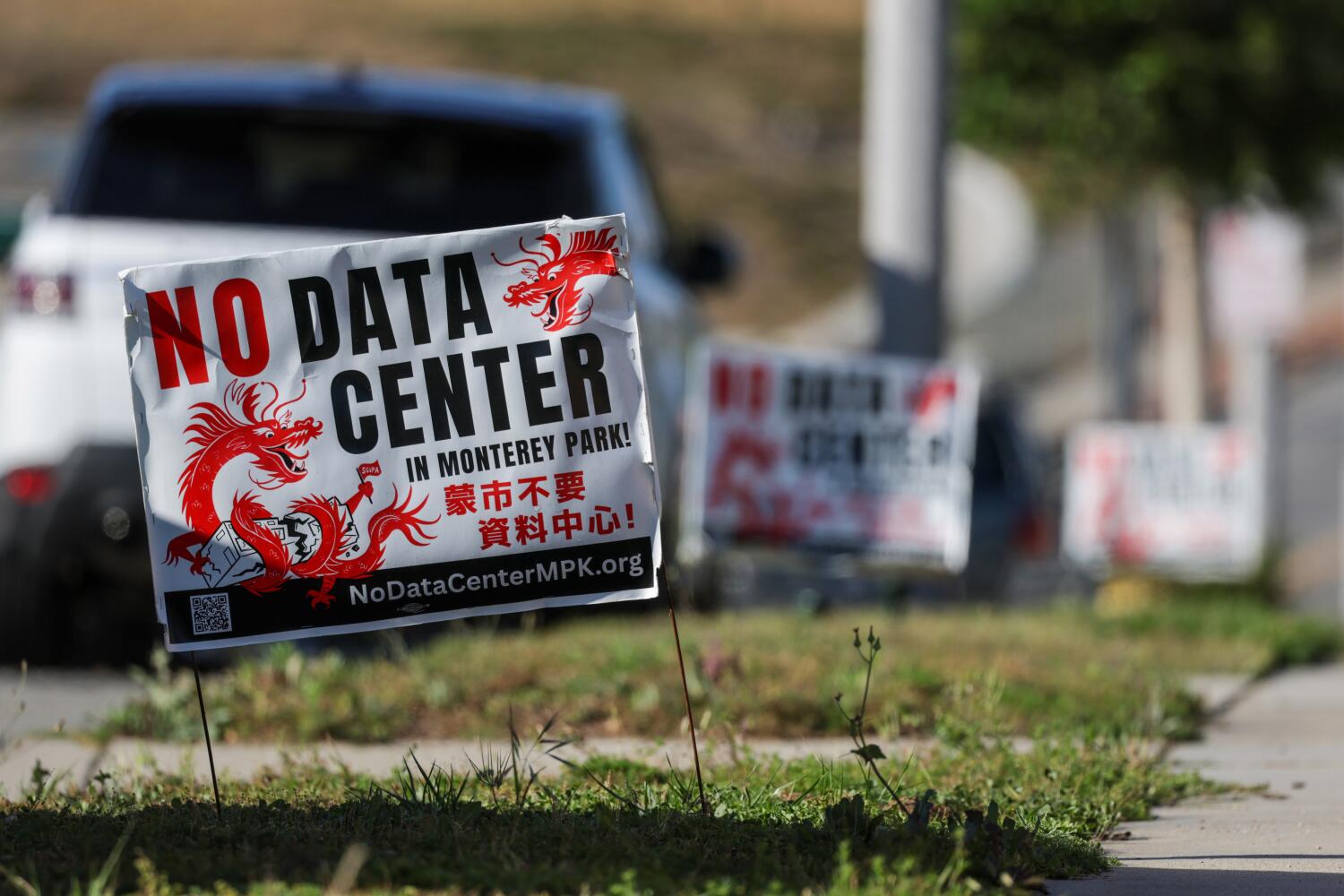
Look at Monterey Park, California. The city council officially voted to put Measure NDC on the ballot for a special election, giving residents the power to pass a permanent, citywide ban on data center construction. This isn't just a minor zoning dispute in a suburb east of Los Angeles. It's a massive, grassroots rebellion against the physical footprint of the AI boom, and it provides a blueprint for how local communities can fight back.
The Illusion of the Clean Tech Neighbor
When developers from HMC Capital initially planned a 250,000-square-foot facility in Monterey Park's Saturn Business Park, they tried to use the classic tech playbook. They relied on an older 2020 zoning rule meant for standard "data processing" to quietly bypass intense scrutiny. They even submitted an initial study claiming the project would have no significant environmental impacts.
That narrative collapsed the moment residents actually looked at the blueprints.
Data centers don't function like quiet office buildings. They operate as heavy industrial operations packed into retail or commercial zones. The proposed Monterey Park site was slated to include 14 massive on-site diesel generators for backup power. These generators emit dangerous ambient air pollutants like nitrogen oxide, which are directly tied to respiratory illnesses, asthma, and lung cancer.
For a densely populated community that is two-thirds Asian and one-quarter Hispanic, putting a cluster of diesel smokestacks next to homes and schools wasn't a minor inconvenience. It was a clear public health threat.
Why Local Utility Bills Are at Risk
The environmental damage is only half the story. The financial strain these facilities place on local infrastructure is the real reason communities are starting to panic.
AI data centers consume radically more energy than traditional server farms. A simple Google search query uses a fraction of the power required to run a single complex AI prompt. When a massive hyperscale facility plugs into a local grid, it drains the available power supply.
To keep up with this unprecedented demand, utility companies have to build new substations, transmission lines, and power plants. Guess who pays for that infrastructure? It isn't Big Tech. The costs get passed directly to local residents through hiked electricity and water rates.
A Morning Consult poll found that a majority of voters support banning data center construction near their homes specifically because they blame these facilities for driving up utility costs. Residents in Monterey Park realized they were essentially being asked to subsidize the infrastructure for multi-billion-dollar tech firms while receiving absolutely nothing in return.
The Myth of Economic Development
Tech advocates love to talk about the economic boost these projects supposedly bring to a region. They highlight massive capital investments and high-tech real estate values. But if you look past the initial construction phase, the actual economic benefit to the local neighborhood is almost non-existent.
Once the concrete is poured and the servers are wired, a massive 250,000-square-foot facility requires very few full-time employees to run. We are talking about a handful of security guards, a few network engineers, and a basic maintenance crew. It creates zero foot traffic for local businesses, offers no career pathways for local youth, and takes up valuable land that could otherwise be used for affordable housing or parks.
In Monterey Park, the city council openly noted that they wanted to explore residential-oriented land use alternatives for Saturn Park instead. They realized that building homes for actual people delivers far more long-term value to a city than building a giant, locked warehouse for a Silicon Valley tech company's server racks.
How the Monterey Park Blueprint Works
If your town is currently facing a data center proposal, you can't rely on your local planning commission to protect you. They often lack the technical expertise to understand what these projects actually demand. The turnaround in Monterey Park happened because a tiny group of five residents formed "No Data Center MPK" and executed a furious, localized campaign.
First, they broke down the language barrier. Monterey Park is a diverse, multilingual community, so organizers translated all their educational materials into English, Chinese, and Spanish. They didn't allow the developer to hide behind complex English zoning jargon.
Second, they forced transparency. The developers tried to avoid a full Environmental Impact Report (EIR) by utilizing a cheaper, faster Mitigated Negative Declaration. Organizers packed city council meetings, forcing a six-hour public comment session where hundreds of residents voiced intense opposition.
The pressure was so overwhelming that HMC Capital completely withdrew its application. But the community didn't stop there. They pushed the city council to pass a temporary moratorium and ultimately place Measure NDC on the ballot to permanently change the city's general plan.
The National Resistance is Growing
Monterey Park is the most aggressive example of a local ban, but it's part of a much larger national trend. Communities across the United States are realizing that their resources are being drained to fuel the AI race.
Data from tracking groups like Data Center Watch shows that local opposition delayed or canceled billions of dollars worth of data center projects over the past year alone. Dozens of active community groups across multiple states are currently fighting active proposals.
State and federal lawmakers are finally starting to notice the backlash.
- New York: Legislators are actively working on bills to pause data center construction for up to three years to evaluate grid impacts.
- Maine: Similar restrictive legislation has moved all the way to the governor's desk.
- Federal Level: Lawmakers have proposed sweeping bans on new data center permits until strict environmental guardrails and efficiency metrics are established.
What to Do If a Data Center Targets Your Town
If you see a notice for a new "technology park" or "data processing facility" in your local newspaper, don't ignore it. Tech developers intentionally use vague, harmless-sounding terms to slip through the initial planning phases without attracting attention.
Start by pulling the initial study documents from your city's planning portal. Look specifically at the projected water usage for cooling systems and the number of backup diesel generators listed on the site plan. Calculate the true resource strain.
Next, connect with local environmental and consumer advocacy groups to organize a community teach-in. Bring the data directly to your neighbors before the final vote occurs. Once the community understands that a data center means higher electric bills, louder ambient noise, and fewer local jobs, the political calculus for your city council changes instantly.
Cities don't have to accept the narrative that hosting Big Tech's physical infrastructure is mandatory. You have the legal right to protect your grid, your water, and your neighborhoods. Stop letting developers treat your community like an unpaid battery for the AI boom. Take control of your local zoning laws, show up to the public hearings, and vote to protect your city's future before the concrete is already poured.