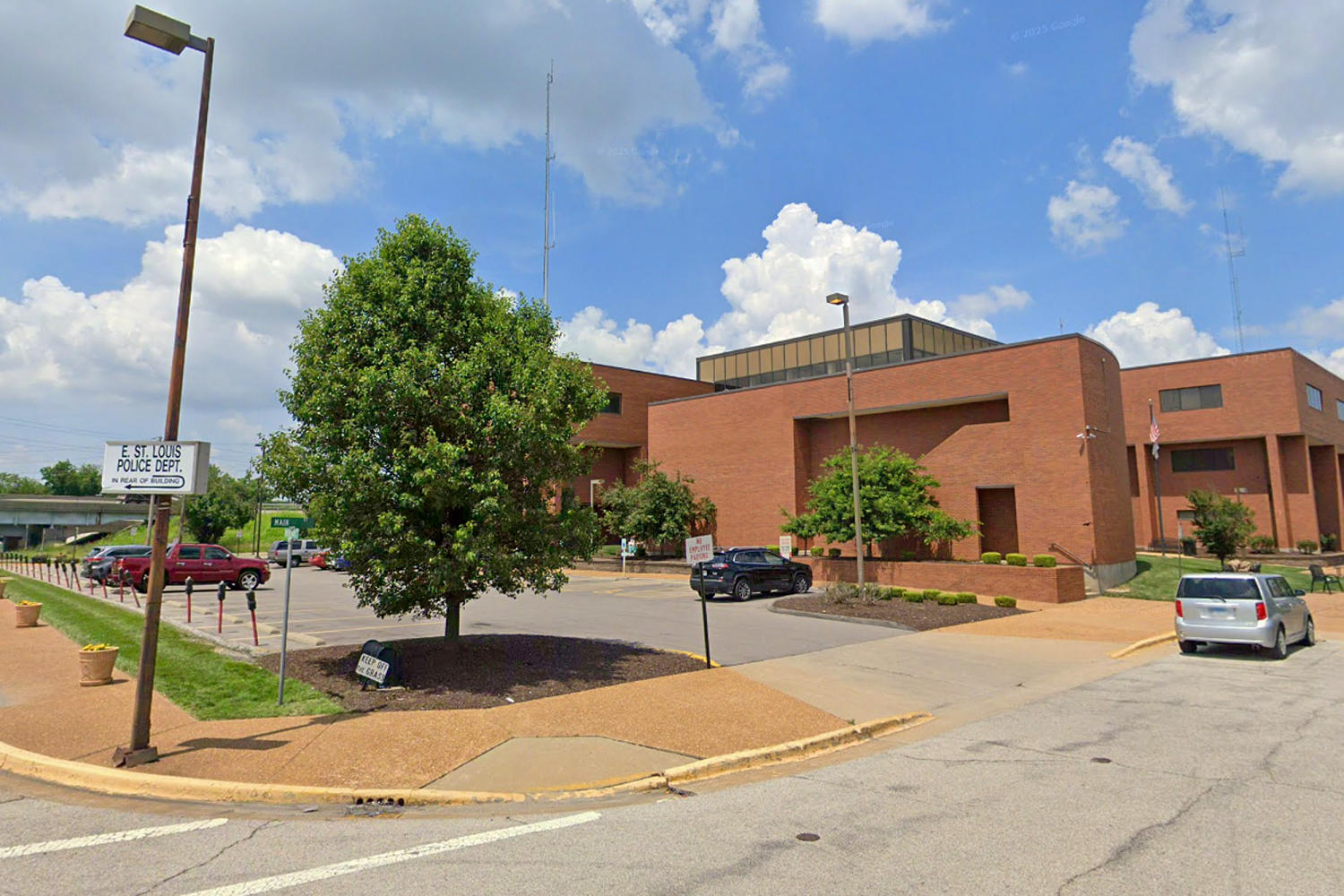
A fifteen-year-old boy in a clown costume allegedly walked the streets of East St. Louis carrying a large knife, leaving a trail of terror that culminated in the brutal stabbing death of a seventy-eight-year-old man.
The arrest of the juvenile suspect by Illinois State Police following the murder of John Wesley Allen Sr. forces a grim confrontation with a cultural phenomenon long dismissed as a harmless prank or internet-era nuisance. For years, media outlets have treated stranger-than-fiction reports of menacing figures in greasepaint as localized anomalies or viral marketing stunts. Monday night's violence in suburban St. Louis shatters that comfortable illusion, exposing how easily abstract subcultural contagion can cross the threshold into lethal reality.
The Anatomy of a Suburban Nightmare
Details emerging from the investigation paint a disturbing picture of premeditation wrapped in theatrical absurdity. At approximately 9:11 p.m. on August 3, a residential doorbell camera captured a figure clad in a full clown outfit standing on a front porch in East St. Louis. The individual stared directly into the lens, delivering a chilling audio message: "I've been looking for you".
Minutes ticked by as the costumed prowler lingered on the property, eventually slipping around to the back of the home. Neighbors reported seeing a young person moving door-to-door, peering through windows while brandishing a knife. Roughly an hour later, police responding to a distress call discovered Allen's body lying in a nearby roadway near North 76th Street and State Street. The St. Clair County Coroner confirmed the victim died from multiple stab wounds.
The chilling efficiency of the suspect's movements raises urgent questions for law enforcement and child psychologists alike. How does a minor transition from performing macabre theater on suburban porches to taking a human life? The intersection of anonymity provided by masks and the psychological detachment fostered by digital validation creates a dangerous pipeline for troubled youth seeking notoriety.
The Cultural Roots of Clown Panic
To understand the weight of this tragedy, we must examine how society has historically processed the archetype of the malevolent clown. John Wayne Gacy turned the painted smile into a symbol of pure American horror in the late 1970s, establishing a template that pop culture gleefully replicated through Stephen King’s It and endless cinematic knockoffs.
Yet, the modern iteration differs fundamentally from fiction. In 2016, a wave of coordinated phantom clown sightings swept across the United States and the United Kingdom, turning into a mass panic fueled by social media algorithms. Most of those incidents proved to be teenage copycats chasing viral fame or harmless mischief.
When society treats serial stalking by individuals in costume as a joke or a meme, it lowers the psychological barrier to entry for actual predators. The costume acts as a psychological disinhibitor. Wearing greasepaint and a wig allows an impressionable or unstable adolescent to shed their personal identity, transferring accountability to an alter ego designed specifically to terrify.
The Institutional Failure to Track Modern Threats
Local residents expressed outrage over the lag between the initial porch sightings and the escalation to murder. When doorbell cameras capture armed intruders roaming neighborhoods, the response timeline dictates whether a community survives intact. Police departments stretched thin across economically depressed municipalities face overwhelming structural hurdles when trying to intercept transient threats.
Furthermore, the involvement of a minor complicates the legal and investigative transparency. Illinois State Police have remained tight-lipped regarding the precise motive, whether the victim and suspect were acquainted, and what specific evidence led authorities straight to the fifteen-year-old's doorstep. This information vacuum breeds rampant speculation across local social media groups, turning a community tragedy into a digital circus of unverified rumors and vigilante posturing.
We must look past the sensationalism of the costume. The clown makeup is merely cosmetic camouflage. The underlying engine of this crime involves adolescent alienation, easy access to deadly weapons, and a digital ecosystem that rewards bizarre, antisocial behavior with immediate attention.
As the judicial system prepares to handle the case through the juvenile court framework, the broader community is left to reckon with a terrifying realization. The monsters hiding in plain sight are no longer just characters in horror films; they are children wearing disguises bought online, walking down ordinary streets in the dark of night.