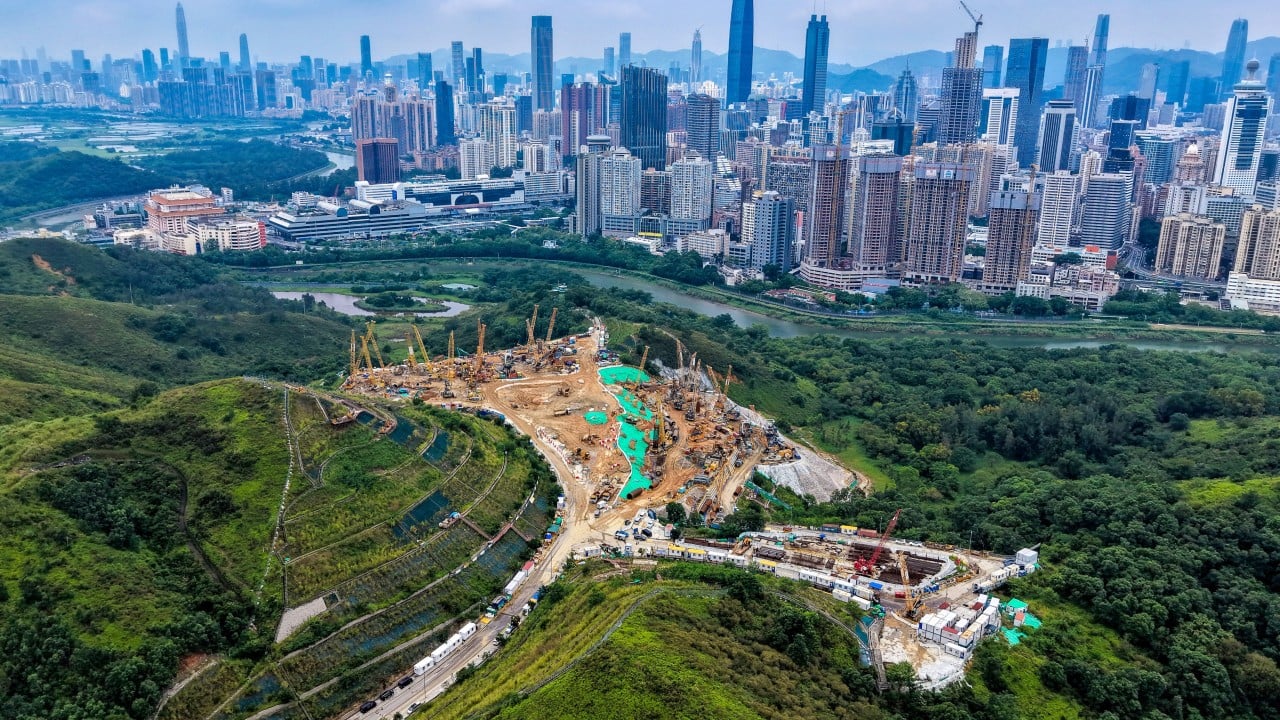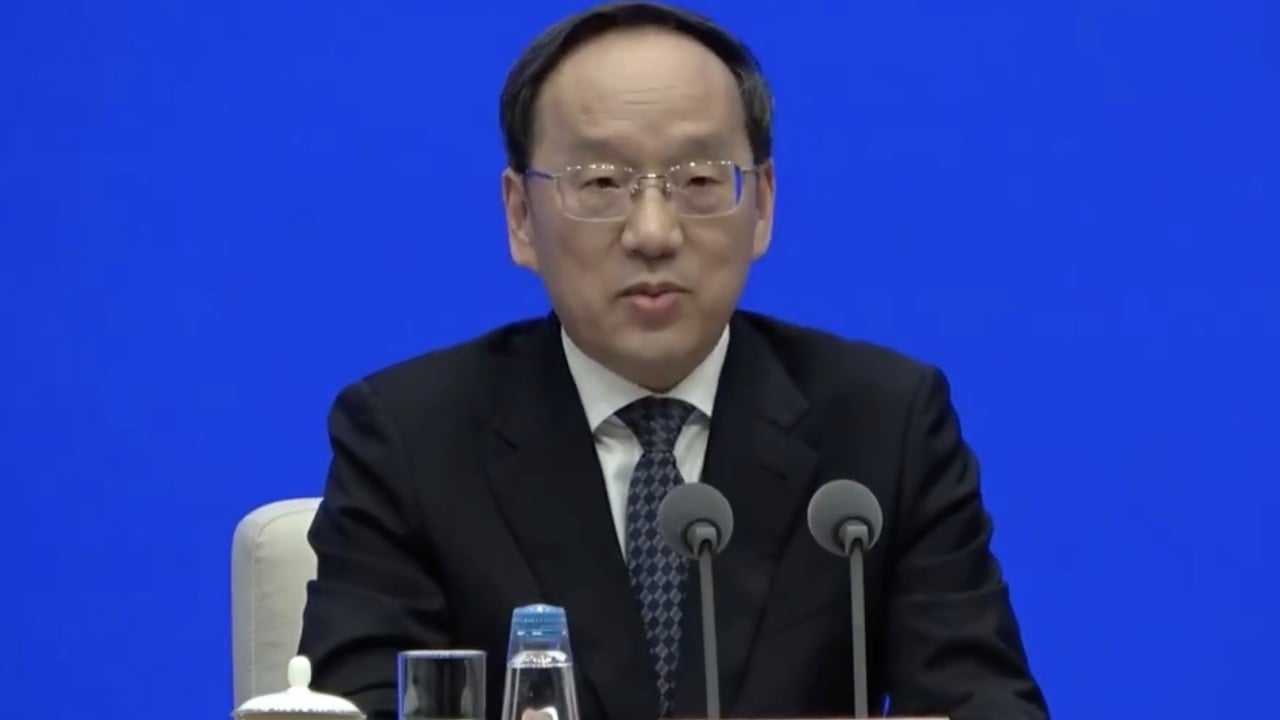
When Beijing wants to turn a regional player into a global high-tech powerhouse, it doesn't leave things to chance. The recent decision to appoint Li Lecheng—formerly the head of the Ministry of Industry and Information Technology—as the top party official for Anhui province tells you everything you need to know about where China's industrial priorities lie.
Anhui isn't just another administrative region anymore. Over the past few years, this inland province has quietly evolved into one of China's most critical semiconductor and advanced manufacturing hubs. By shifting a sitting national minister directly into the provincial hotseat, Beijing is signaling a massive push to tighten the loop between central industrial policy and regional execution.
If you are watching global supply chains, tech decoupling, or the race for chip self-sufficiency, this leadership shift deserves your attention.
The Rise of Anhui as a Tech Heavyweight
Most international observers used to associate Anhui with agriculture and heavy industry. That narrative is outdated. Cities like Hefei have spent the last decade transforming into innovation incubators, attracting massive investments in electric vehicles, quantum computing, and semiconductor fabrication.
The province caught lightning in a bottle by combining state-backed venture capital with aggressive local governance. Instead of waiting for private capital to figure out regional tech clusters, local authorities took calculated risks, investing early in companies like NIO and local semiconductor foundries.
Bringing in a heavyweight with deep roots in industrial policy like Li Lecheng means Anhui wants to scale up even faster. The bottlenecks facing China's chip sector aren't just about design or talent; they require seamless coordination between local infrastructure, energy supply, and national funding streams.
Why This Appointment Breaks the Mold
Shuffling provincial leadership happens all the time in China's political system, but moving a high-ranking cabinet minister directly to a provincial party secretary role is a deliberate maneuver.
Think about the friction points in any major industrial strategy. Local officials often struggle to align with national ministries due to bureaucratic red tape or competing regional metrics. By placing the former MIIT minister at the helm in Anhui, that friction disappears. The person who used to oversee national industrial standards and tech blueprints is now personally managing the factories, supply chains, and land allocation on the ground.
It is a direct management style. Beijing is cutting out the middleman to ensure that Anhui's semiconductor ecosystem hits its production and self-sufficiency targets without stumbling.
What This Means for Global Semiconductor Markets
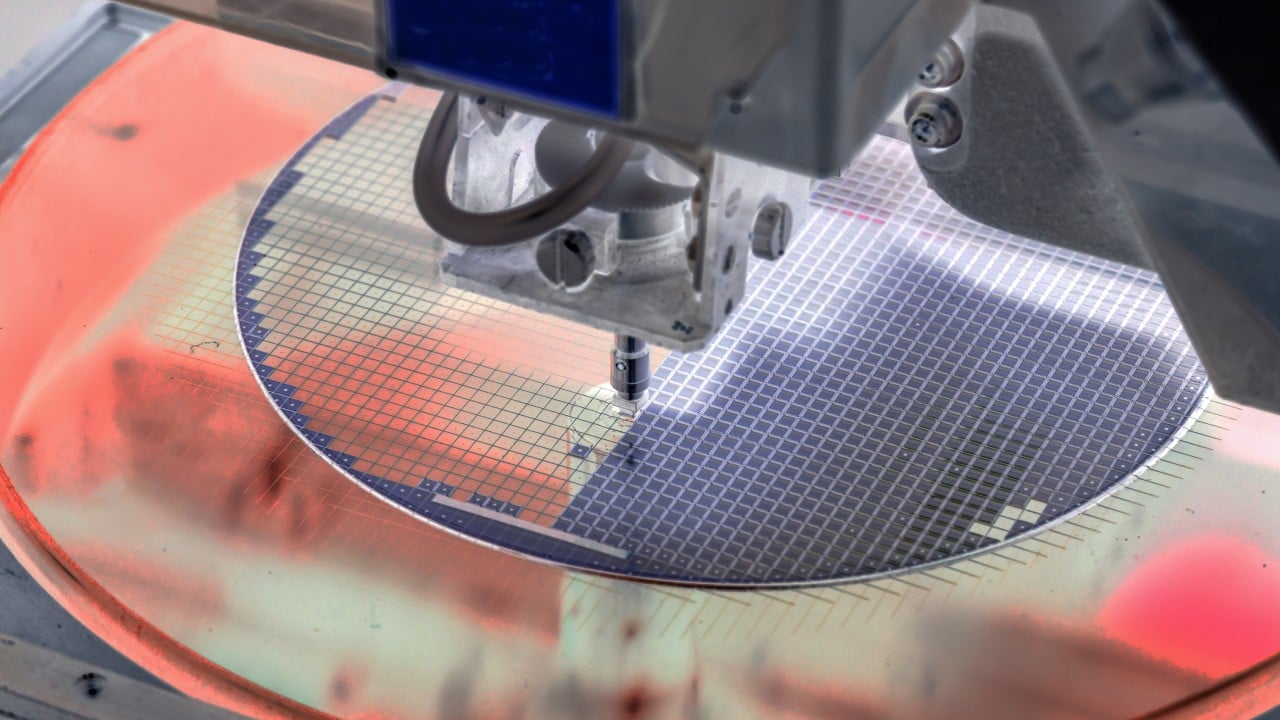
You might wonder why a regional leadership change in an inland Chinese province matters to global tech markets. The reality is straightforward. As international export controls and trade restrictions tighten, China is doubling down on domestic production capabilities, focusing heavily on mature nodes, packaging technologies, and local equipment manufacturing.
Anhui is a cornerstone of that defensive and offensive strategy. With specialized leadership now steering the ship, expect faster approvals for fabrication plants, tighter integration of local supply chains, and heavier state backing for research and development initiatives based in Hefei and surrounding tech zones.
The province is positioned to act as a testbed for how China intends to insulate its core manufacturing sectors from external pressure. If Anhui succeeds in streamlining its semiconductor output under this new leadership structure, expect other provinces to adopt the same playbook.
Keep a close eye on regional policy announcements coming out of Hefei over the next few quarters. The semiconductor race is entering a pragmatic, execution-focused phase, and the administrative machinery running it just got a major upgrade.