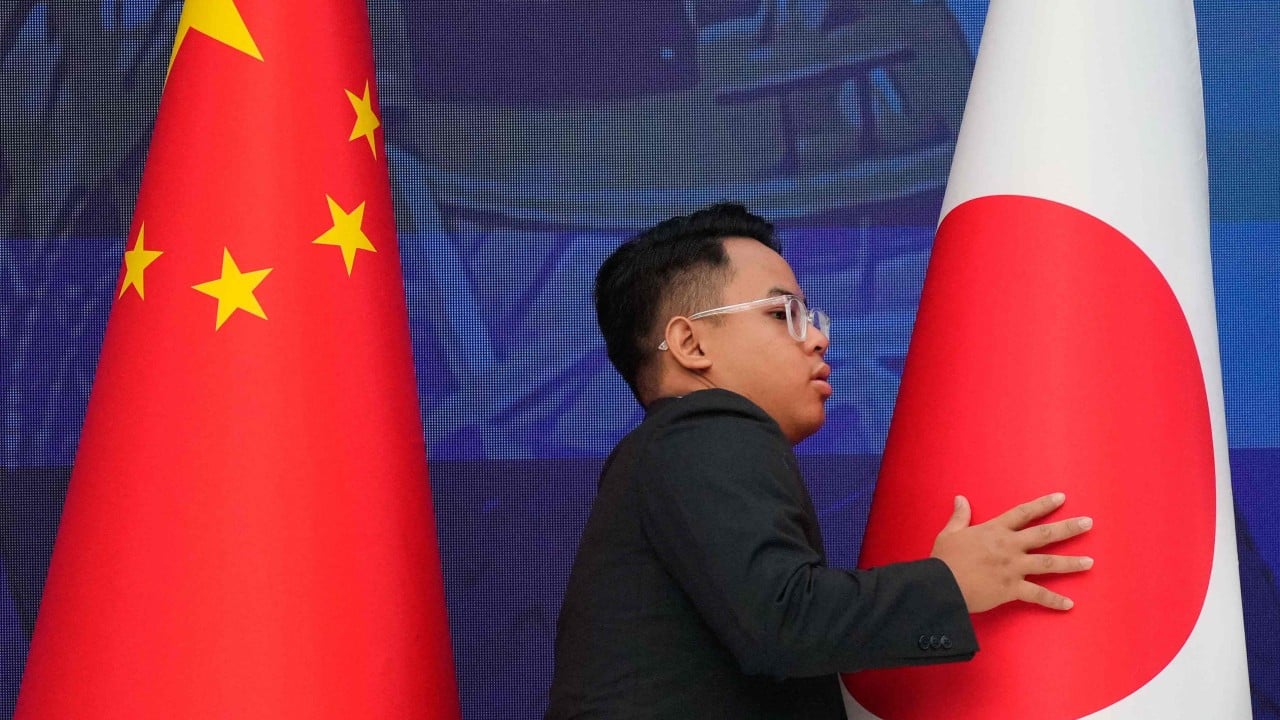
You try to book a ticket for the latest anime film in Beijing. The app shows nothing. You check your favorite streaming platform for that new J-pop album. It is grayed out. This is not a glitch. It is the reality facing fans across China as entertainment imports from Japan grind to a sudden halt.
Geopolitics and pop culture always mix. Right now, they are colliding in a big way. Beijing is quietly putting the brakes on Japanese entertainment, and it is driving fans crazy.
The tension is not new, but the current freeze feels different. It is subtle. There is no official ban announcement. Government offices do not issue press releases saying they hate J-pop. Instead, approvals just stall. Papers sit on desks. Release dates vanish into thin air.
The Quiet Freeze on Japanese Entertainment Imports
If you follow the Asian entertainment industry, you know China is a massive market for Japanese intellectual property. Anime movies regularly clear tens of millions of dollars at the Chinese box office. Makoto Shinkai’s animated features routinely outearned local blockbusters. Sony Music Japan and various J-pop talent agencies rely heavily on Chinese streaming revenue.
Then the pipeline dried up.
Regulatory bodies like the National Radio and Television Administration (NRTA) have slowed approvals to a crawl. Insiders in Beijing film distribution networks report that import visas for Japanese films are facing unprecedented delays. It is a classic bureaucratic slow-walk.
We saw similar tactics during the THAAD missile dispute with South Korea in 2016. Korean dramas vanished. K-pop concerts were canceled overnight. China never admitted to a formal ban then, and they are not admitting to one now with Japan. They just make doing business impossible.
The Diplomatic Friction Behind the Entertainment Slowdown
Entertainment does not exist in a vacuum. The current cultural cooling aligns perfectly with escalating diplomatic spats between Tokyo and Beijing.
Recent Flashpoints in Sino-Japanese Relations:
- Maritime disputes in the East China Sea surrounding the Senkaku/Diaoyu Islands.
- Tokyo's tightening of semiconductor export controls to China, aligning with US policy.
- Public disputes regarding the wastewater release from the Fukushima Daiichi nuclear plant.
- Japan's diplomatic statements regarding stability across the Taiwan Strait.
The Fukushima water release caused massive backlash on Chinese social media platforms like Weibo. Boycotts hit Japanese cosmetics and seafood. Entertainment was the natural next target.
Beijing views cultural imports as leverage. When Japan aligns closer with Washington on tech curbs or regional security, China squeezes Japan’s cultural exports. It is a reminder of who holds the economic cards.
Anime and J-Pop Caught in the Crossfire
The impact on local distribution companies is brutal. Companies that paid top dollar for Chinese distribution rights to Japanese films are now holding worthless contracts.
Take the anime sector. It is not just about movies in theaters. Streaming platforms like Bilibili rely heavily on simulcasting the latest anime seasons from Japan. When content regulators delay censorship approvals, piracy spikes. Fans will not wait months to watch their favorite show. They find illegal streams, costing legitimate platforms millions in ad revenue and subscriptions.
Live music is suffering too. Japanese artists had finally started booking tours in Chinese hubs like Shanghai, Guangzhou, and Shenzhen again after the pandemic. Now, performance permits are getting rejected for vague "technical reasons" or scheduling conflicts. Promoters are losing deposits on venues.
Navigating the Current Market Restrictions
If you are a distributor, creator, or investor caught in this mess, waiting for governments to shake hands is a losing strategy. You have to adapt immediately.
Diversify your content portfolio right now. If you are a Chinese distributor relying on East Asian imports, pivot toward domestic animation (Donghua) or explore licensing deals in Southeast Asia. The domestic Chinese animation market is booming, and the government actively supports it through tax incentives and prime-time broadcasting slots.
For Japanese intellectual property holders, look to alternative markets in the West and Southeast Asia to offset Chinese losses. Relying on a single massive market is a financial trap. Focus on building audiences in India and Indonesia, where young demographics are hungry for anime and digital music consumption is skyrocketing.
Keep an eye on regional film festivals. Sometimes, independent or arthouse Japanese projects can bypass mainstream theatrical restrictions by appearing exclusively in festival lineups, maintaining a brand presence in China without triggering mainstream regulatory red flags. Monitor the NRTA approval lists monthly to spot any sudden thawing in the regulatory climate.